An Army veteran living in Georgia has spent months inside a federal immigration detention center while facing the threat of deportation. His situation is drawing new scrutiny as supporters argue that a man who served in uniform should not be treated like a recent undocumented arrival.
The case has become emotionally charged in Lumpkin, Georgia, where the Stewart Detention Center houses immigrants awaiting legal proceedings.
A Routine Traffic Stop Turns Into a Life-Changing Arrest
Godfrey Wade has lived in the United States for 52 years. He came as a teenager, joined the Army as a young man, and built a life raising children and grandchildren. He never imagined that a broken turn signal could eventually lead to months of confinement.
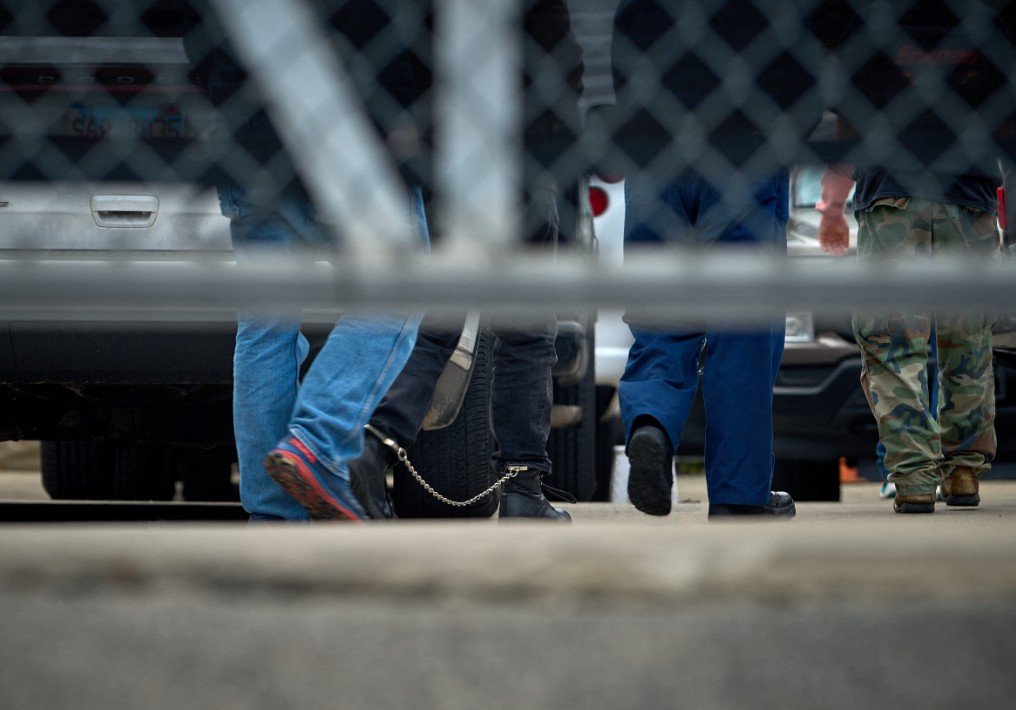
In September, police stopped Wade’s car for failing to use a turn signal. Officers found that he did not possess a current driver’s license. After questioning, they learned he was not a fully documented U.S. citizen. ICE agents later took custody.
One sentence reflects the shock among family members: a veteran who served the country was detained over a minor traffic violation.
The arrest was filmed by Wade’s fiancée, April Watkins, who says she watched the man she has spent her life with taken away in handcuffs. She told local station 11Alive that Wade has loved the United States from the moment he arrived, served in the Army proudly, and built a life with honesty and discipline.
“He wasn’t born in this country, and still, he loves this country enough that he signed up to serve it,” Watkins said. “Fifty years later, when he needs this country, this country is turning its back on him.”
A Veteran With Deep Ties to Georgia
Wade joined the Army in the mid-1970s and was assigned to the 7th Infantry Division, stationed in Germany. He earned good conduct and wartime service medals. Those details have made his case even more visible because he is not someone hiding from government agencies or avoiding service obligations.
After leaving the Army, Wade earned multiple college degrees. His professional life ranged from fashion design to culinary work. He later became a master tailor, a tennis coach, and a chef. Most recently, he was preparing food at the Georgia Capitol Café.
Two short lines make the point: this is a man with long-standing community presence and a clear record of employment.
Some veterans’ advocates argue that Wade’s life demonstrates commitment and assimilation even without citizenship. They say the law should consider military service when determining deportation priorities, especially where the person has no violent criminal history.
Efforts to Secure Legal Status Fell Short
Wade and Watkins said they were actively trying to finalize legal citizenship paperwork before his arrest. But immigration filings, court fees, and attorney costs were overwhelming.
Watkins estimated that the legal cost of citizenship applications, adjustments, and filings could run into tens of thousands of dollars, especially when complicated by gaps in status or paperwork dating back decades.
One sentence expresses their frustration: they did everything they could to prevent detention, and still it happened.
Wade said from detention that he never thought one day he might be deported. After 52 years in the same country, the idea seemed absurd to him.
He has raised multiple children and now cares deeply for grandchildren. His family argues that deportation would sever bonds that cannot easily be restored.
Here is a small table summarizing Wade’s timeline:
| Life Event | Details |
|---|---|
| Arrival in U.S. | Early teenage years |
| Military Service | 7th Infantry Division, Germany |
| Awards | Good conduct and wartime service medals |
| Post-service Career | Tailor, designer, tennis coach, chef |
| Years in U.S. | 52 |
| Trial Status | In detention awaiting immigration ruling |
One short paragraph notes that the detention center houses individuals for civil immigration cases, not criminal sentences, which creates a strange legal limbo for many long-term residents.
Military Veterans and Immigration Enforcement Collide
About 94 veterans have been deported since the early 2000s, though estimates vary as records are incomplete. Advocates believe the number is higher because federal databases did not consistently track whether detained or removed immigrants served in the armed forces.
One bullet point illustrates recent advocacy concerns:
-
Some veterans never completed citizenship paperwork because recruiters assured them their service would guarantee a future path to citizenship
In reality, naturalization is not automatic. Veterans must file requirements on time, avoid legal problems, and present service documentation. Many believed they had already earned citizenship through service only to learn otherwise decades later.
Civil rights attorneys argue that military service should create a presumption against removal unless a violent crime is involved.
Meanwhile, federal policy has tightened under the Trump administration, which has prioritized enforcement even against long-term residents. Wade’s case shows how easily someone with no recent criminal record can enter detention if paperwork is incomplete.
A short line feels important: decades of lawful behavior do not shield someone from removal when legal status lapses.
Family Awaits Answers While Legal Costs Mount
Watkins continues visiting and advocating on Wade’s behalf. She works to raise legal funds, consult attorneys, and just keep morale high. The couple had hoped that Wade’s continuous residency, employment, and service record would be enough for humanitarian discretion.
Family members describe detention as deeply stressful. Wade is separated from his grandchildren, who do not fully understand why their grandfather cannot come home.
One sentence conveys the emotional toll: deportation would mean sending a man with no ties elsewhere to a country he barely remembers.
Veteran support groups in Georgia are following Wade’s case and discussing whether to step in with legal aid or advocacy letters. They argue that a policy framework should exist to protect veterans without paperwork from immediate detention.
Some observers point out that immigration detention for veterans can be both legally complex and ethically messy. If they protected the country in the past, should the country protect them now?
Looking Toward a Difficult Legal Road
Wade remains in the Stewart Detention Center while immigration proceedings unfold. His attorneys will likely request legal relief, possibly humanitarian parole or cancellation of removal based on length of residency and contributions to U.S. life.
But nothing is guaranteed. Immigration judges must weigh statutory requirements, not sentiment.
One small sentence: the ultimate decision may come down to paperwork, not patriotism.
The process could take months more. Deportation would leave Wade without a home, career, or family support system abroad. Remaining in the United States would allow him to stay part of the community he has known for half a century.