
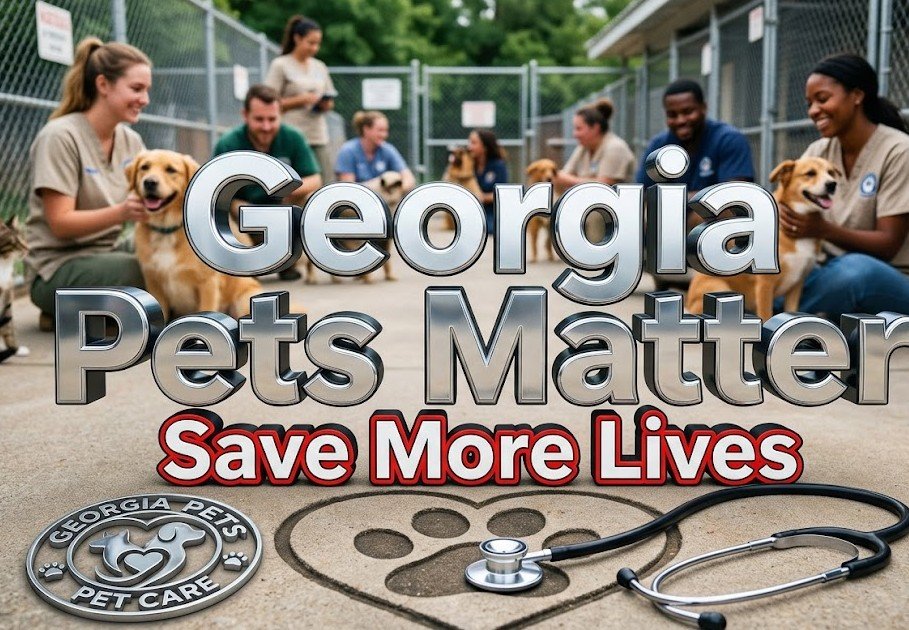
Georgia’s animal welfare community is sounding a loud and clear alarm about a growing crisis that is hurting pets and families across the state. With more than 150,000 dogs and cats entering shelters each year and over 30,000 dying there, advocates are calling for better cooperation between organizations, expanded access to spay and neuter services, and stronger prevention efforts to stop pet overpopulation at its source. The issue is not new but its consequences are escalating, prompting leaders to propose practical solutions that could save thousands of lives and ease the burden on communities.
Coordinated Action Needed to Reduce Shelter Intake
Georgia is home to nearly 1,200 animal welfare organizations, including rescue groups, hospitals, and community shelters. Each works tirelessly to care for animals in need, but the lack of coordination among them has limited their collective impact.
In a white paper published earlier this year, Planned PEThood of Georgia and partners highlighted the need for shared goals, unified messaging, and coordinated resources to make meaningful progress. Without these, efforts remain fragmented and confusing for the public.
One key finding in the report showed that about 30 percent of shelter intakes stem from families facing financial, medical or housing challenges. Many of these owners simply lack access to affordable care and prevention resources, and end up surrendering their pets when problems mount. Connecting these families with existing services before crisis point can keep pets at home and reduce shelter numbers.
Spay and Neuter: A Proven Solution, But Underused
Spaying and neutering pets remains the most effective way to reduce unplanned litters and prevent future shelter overcrowding. Advocates emphasize that expanding high‑quality, high‑volume sterilization services across Georgia could have a significant impact.
Planned PEThood of Georgia has shown the power of these services. According to their 2025 impact report, the organization performed more than 100,000 spay and neuter surgeries at their Duluth clinic over the years, helping to curb population growth and keep animals healthier. Funding from partners like PetSmart Charities has supported their expansion and will continue into 2026, including plans for mobile spay and neuter services that could reach underserved communities.
Experts also argue that trap, neuter and return (TNVR) programs for community cats should be scaled up across Georgia to reduce the number of stray litters and ease the load on shelters. Even small increases in sterilization access can lead to fewer animals entering the system, easing pressure on limited shelter space.
Barriers Block Access to Care for Families in Need
While the solution may seem straightforward, families across Georgia still face barriers when seeking preventative care for their pets. Many communities have scattered resources that are difficult to find or reach, leaving pet owners unaware of the support available to them.
This lack of accessible information and services creates a gap that leads to more animals being surrendered. By building centralized information hubs, outreach campaigns, and early intervention tools, advocates say more pets can stay in loving homes and avoid the trauma of shelter intake.
Local advocates also note that economic pressures on households—such as rising housing costs, medical bills and financial instability—are contributing to higher surrender rates. Addressing these issues alongside enhanced pet care resources can help reduce the burden on both families and shelters.
Economic and Emotional Costs on Communities
The impact of Georgia’s pet overpopulation crisis extends beyond emotional heartbreak. The cost of caring for the influx of animals in shelters is estimated to be around 100 million dollars annually, a significant expense for taxpayers and local governments.
These costs encompass housing, feeding, medical care and staffing – all of which add up quickly as shelters struggle to manage high intake numbers. Overcrowding can also lead to higher mortality rates for animals, as limited space forces difficult decisions about euthanasia when no homes are available.
Volunteers and shelter staff often face emotional strain as well. Overcrowded conditions can make it difficult to provide individualized care or find suitable placements for animals, leading to stress and burnout among those who work to save every life.
How Residents Can Help Now
Experts and advocates across Georgia stress that long‑term solutions must be paired with immediate community engagement to truly turn the tide on pet overpopulation.
Here are ways residents can help today
-
Adopt or foster pets from local shelters rather than purchasing animals elsewhere.
-
Support or volunteer at local welfare organizations to provide care and advocacy.
-
Spread awareness about spay and neuter services available in your community.
-
Help families in need by connecting them with affordable or free services.
-
Promote TNVR programs for feral and community cats to reduce unplanned litters.
Each of these actions, while small on its own, adds up to a larger cultural shift toward responsible pet ownership and humane care.
The drive by Georgia’s animal groups sheds light on a crisis that is heartbreaking but not hopeless. By working together, expanding access to preventative services, and linking families to support before it is too late, the state can move toward a future where fewer pets suffer and more find the loving homes they deserve. Readers are invited to share their thoughts and stories about pet rescue and animal welfare in Georgia or nationwide, and use hashtag GeorgiaPetsMatter on social media to highlight local efforts and inspire broader engagement.
