Georgia has welcomed almost 7 million international visitors in 2025, marking a significant rise in tourism for the small Caucasus nation. The country recorded 6,856,809 international visits throughout the year, representing a 6.2% increase compared to 2024, with Russia contributing the largest share of arrivals at 23% of the total.
Record Breaking Year for Georgian Tourism
The National Tourism Administration under the Ministry of Economy confirmed that 2025 was a landmark year for Georgia’s tourism sector. The total number of international visits climbed past the 6.8 million mark, building on steady growth trends observed over recent years. This increase signals growing global interest in Georgia as a travel destination, driven by its rich cultural heritage, scenic landscapes, and favorable visa policies.
Tourist visits, defined as stays of at least one night, comprised 5,521,866 arrivals or 80.5% of the total. This category alone surged by 8.4% from the previous year, reaching what officials describe as a historic high. The remaining 1,334,943 visits, or 19.5%, were classified as one day trips where visitors did not spend a night in the country. The strong performance in overnight stays suggests that Georgia is successfully attracting travelers seeking extended experiences rather than brief stopovers.
Russia Dominates Visitor Numbers
Russian tourists maintained their position as the dominant visitor group to Georgia in 2025. The country accounted for 1,579,764 visits, representing nearly a quarter of all international arrivals. This figure marks an 11% increase from 2024, continuing a trend of growing Russian tourism to Georgia despite complex political relations between the two nations.
The high volume of Russian visitors reflects several factors including geographic proximity, cultural connections, and relatively easy travel access. Many Russians view Georgia as an attractive destination for both short breaks and longer vacations, drawn by the country’s hospitality, wine culture, and mountain resorts. The sustained growth in Russian arrivals demonstrates that tourism flows remain strong regardless of diplomatic challenges.
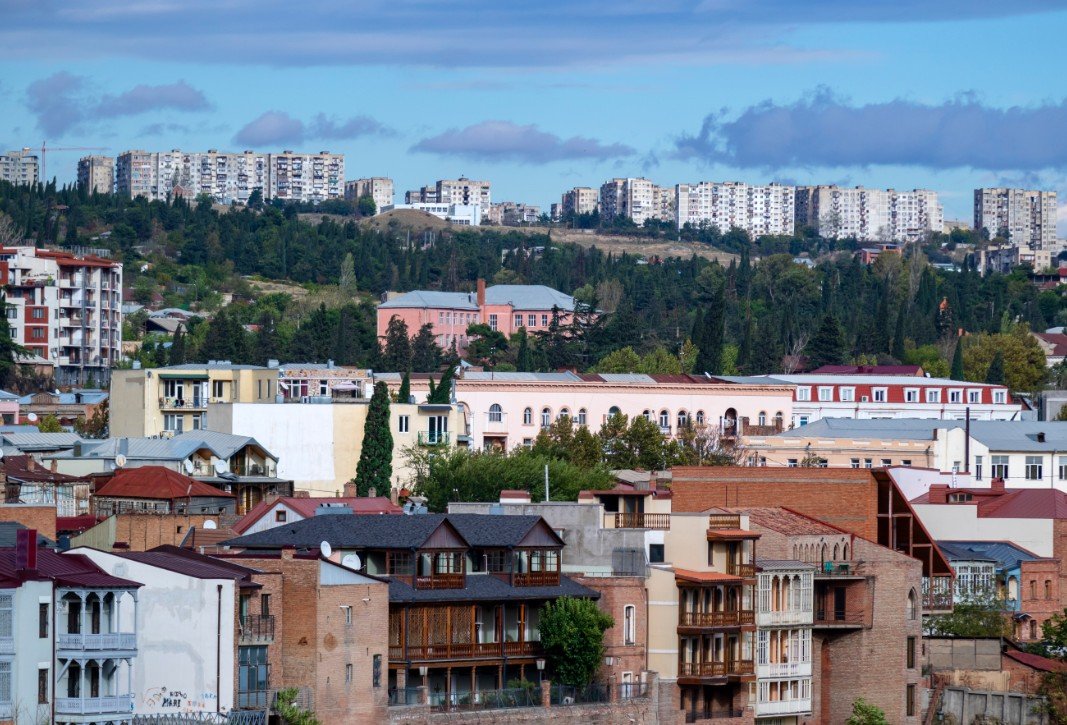
Direct flights between multiple Russian cities and Georgian airports, along with visa free travel arrangements, have facilitated this movement. The Russian visitor segment has become crucial for Georgia’s tourism economy, contributing substantially to hotel occupancy rates, restaurant revenues, and overall tourism spending.
European Union Visitors Reach Record Levels
Visits from European Union countries and the United Kingdom achieved record numbers in 2025, totaling 499,890 arrivals. This represented 7.2% of all international visits and marked a 14% increase compared to 2024. The Tourism Administration specifically highlighted this as a record breaking achievement, signaling successful efforts to attract Western European travelers.
The double digit growth rate from EU nations and the UK outpaced the overall visitor increase, suggesting that Georgia is gaining traction in these premium markets. European tourists typically stay longer and spend more per visit compared to regional travelers, making this segment particularly valuable for the Georgian economy. The increase likely reflects improved air connectivity, successful marketing campaigns in European markets, and growing awareness of Georgia as an emerging destination.
Key factors driving European interest include Georgia’s unique cuisine, ancient winemaking traditions recognized by UNESCO, diverse landscapes ranging from Black Sea beaches to Caucasus mountain peaks, and well preserved historical sites. The country’s affordability compared to traditional European destinations also appeals to budget conscious travelers seeking authentic experiences.
Tourism Sector Shows Strong Economic Impact
The tourism industry has emerged as a critical pillar of Georgia’s economy, and the 2025 figures reinforce this trend. With over 5.5 million tourists staying at least one night, the sector generates substantial revenue through accommodation, dining, transportation, and cultural activities. The 8.4% growth in overnight visitors is particularly significant because these travelers contribute more to local economies than day trippers.
Georgia has invested heavily in tourism infrastructure over recent years, including hotel development, road improvements, and heritage site restoration. The country has also worked to diversify its tourism offerings beyond traditional attractions, promoting adventure tourism, wine tours, and wellness retreats. These efforts appear to be paying dividends as visitor numbers continue climbing.
The government views tourism as essential for job creation and regional development, particularly in rural areas where other economic opportunities may be limited. Small guesthouses, family run restaurants, and local guides all benefit from the influx of international visitors. The consistent year over year growth provides stability for businesses dependent on tourism revenue.
Regional and Global Travel Patterns
Georgia’s tourism success occurs against a backdrop of evolving global travel patterns. Following disruptions caused by the pandemic, international tourism has rebounded strongly worldwide. Georgia has positioned itself to capture a share of this recovery, particularly among travelers from neighboring countries and those seeking alternatives to more crowded Mediterranean destinations.
The composition of visitor origins tells an interesting story about Georgia’s appeal across different markets. While Russia dominates numerically, the strong performance from EU countries indicates broadening geographic diversity. This balance helps insulate Georgia’s tourism sector from over reliance on any single market, providing resilience against potential political or economic disruptions affecting specific countries.
Regional neighbors including Turkey, Armenia, and Azerbaijan also contribute significantly to visitor numbers, benefiting from short travel distances and cultural familiarity. Meanwhile, emerging markets in Asia and the Middle East represent growth opportunities that Georgian tourism authorities are actively pursuing through targeted marketing and improved air connections.
The data underscores Georgia’s strategic position at the crossroads of Europe and Asia, accessible to multiple large population centers within a few hours’ flight. This geographic advantage, combined with competitive pricing and authentic cultural experiences, positions the country well for continued tourism growth in coming years.
What do you think about Georgia’s tourism boom? Have you visited this fascinating country or are you planning a trip? Share your thoughts and experiences in the comments below, and don’t forget to share this article with fellow travel enthusiasts who might be interested in exploring this hidden gem of the Caucasus region.