
Georgia has secured nearly $219 million from the federal government to improve health care in its rural areas. This funding comes from President Donald Trump’s budget reconciliation bill, aimed at supporting rural hospitals and services across the nation.
The money will target 126 rural counties in the state, focusing on better access to care and new ways to handle health issues. Officials announced the award this week, marking a key step in a larger $50 billion program to help rural health nationwide.
How the Funding Works
The Rural Health Transformation Program splits the money in smart ways to reach areas that need it most. Half goes out equally to all states, giving smaller ones a bigger share per person. The other half looks at factors like rural population size and hospital needs.
This setup explains why states like Montana and California get similar amounts, even with different sizes. Georgia’s share ranks high, beating neighbors and landing seventh overall.
Georgia plans to use the funds over five years as part of a $1.4 billion effort. The focus includes primary care, specialty services, and ways to prevent diseases before they start.
State leaders submitted a detailed 96-page plan to the Centers for Medicare & Medicaid Services. It skips big cities like Atlanta and targets places with fewer resources.
Impact on Rural Communities
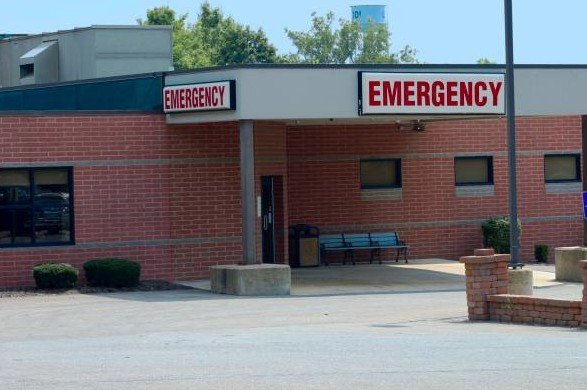
Rural Georgia faces tough challenges, like hospital closures and limited doctor access. This money could help keep facilities open and bring in more staff.
For example, areas like Randolph County have seen hospitals shut down in recent years. The new funds aim to fix issues like emergency services and care for mothers and babies.
Experts say the program might offset big cuts to Medicaid from the same bill. Those cuts could raise the number of uninsured people by millions over time.
In Georgia, the initiative will strengthen the full range of care, from checkups to serious treatments. Local leaders hope it leads to healthier lives and lower costs in the long run.
- Boost access to primary and specialty care in remote areas.
- Support hospital stability and emergency services.
- Promote programs to tackle root causes of health problems, like diet and exercise.
Governor Kemp’s Take
Governor Brian Kemp praised the funding as a way to build up rural providers. He said it brings fresh ideas to cut costs in the state’s health system.
“This funding will help move us forward,” Kemp stated. His team worked hard on the application to make sure it fits Georgia’s needs.
Other state officials echoed this view. They see it as a chance to address long-standing gaps in rural health.
Kemp’s comments highlight how the program ties into broader goals for working families. It comes from Trump’s landmark bill, which passed last summer.
National Picture and Comparisons
All 50 states get a piece of the $50 billion pie, with awards starting at $147 million each. Texas tops the list with over $281 million, while Georgia sits at $218.8 million.
Here’s a quick look at how some states stack up:
| State | Funding Amount (Millions) |
|---|---|
| Texas | 281 |
| Kansas | 222 |
| Georgia | 219 |
| Nebraska | 218 |
| Montana | Similar to California |
This table shows the range, based on population and rural needs. Smaller states benefit more per person, helping balance things out.
The program rolled out amid praise from the White House. They call it a historic push to strengthen rural care everywhere.
Critics note the bill also slashes Medicaid spending by $990 billion over 10 years. That could hurt the same areas this funding aims to help.
Possible Challenges Ahead
Not everyone is fully on board. Some worry the money comes with strings attached, like matching the administration’s views on policies.
Reports suggest funds could get pulled back if states don’t align. This has sparked debate about fairness and control.
In Georgia, health groups hope the cash leads to real changes without extra hurdles. They point to past efforts, like a $11 million boost for one county hospital.
Nationwide, rural health has struggled for years, with closures and staff shortages. This program offers hope but needs careful handling to work well.
Experts question if $50 billion is enough against the big cuts. They call for watching how the money gets spent.
Looking Forward
Georgia’s health department will map out exact uses for the $219 million soon. They aim to roll out changes that last beyond the five-year plan.
This could set an example for other states dealing with similar issues. As rural areas grow in importance, such investments matter more than ever.
The funding ties into recent trends, like efforts to expand Medicaid in some places. It also links to talks about tax cuts and family support in Trump’s bill.
What do you think about this boost for rural health? Share your thoughts in the comments and pass this article along to friends who care about Georgia’s future.
