
Georgia farmers and timber owners hit hard by Hurricane Helene face more delays in getting crucial federal relief. A government shutdown that started on October 1, 2025, has stopped talks on how to distribute over $531 million in aid, leaving many producers waiting for help to rebuild.
This block grant from the U.S. Department of Agriculture aims to cover economic losses, infrastructure damage, and timber destruction from the storm that struck in late 2024. With the shutdown ongoing as of November 11, 2025, state officials say applications could open soon after federal operations resume.
Aid Package Details
The federal government approved $531 million for Georgia’s agriculture sector just before the shutdown. This funding targets farmers, ranchers, and timber owners who suffered major losses from Hurricane Helene.
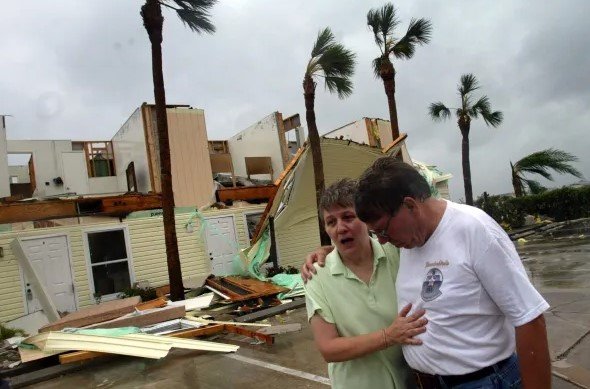
State leaders announced the package on September 30, 2025, calling it a big win for Georgia’s top industry. The money will help with rebuilding farms, replacing lost crops, and clearing damaged timberlands. Without it, many small operations risk closing down.
Experts estimate Helene caused billions in damage across the Southeast. In Georgia alone, the storm wiped out cotton fields, poultry farms, and vast timber areas. The aid is part of a broader effort to support recovery in states like South Carolina, which got $38 million in similar grants.
How the Shutdown Hit Hard
The federal shutdown began right after the aid announcement, freezing all non-essential work. This includes finalizing spending rules for the grant program.
Georgia Agriculture Commissioner Tyler Harper told lawmakers on November 10, 2025, that his team was ready to move forward. They had even hired extra staff to process applications. But without federal approval on how to split the funds, everything is on hold.
The delay adds stress to farmers already dealing with rising costs and low commodity prices. Some have turned to loans or sold assets to stay afloat. If the shutdown drags on, it could push back relief into 2026, worsening the economic fallout.
- Key sectors affected: Crops like peanuts and cotton, livestock operations, and timber harvesting.
- Estimated timeline: Applications might start two weeks after government reopens.
- Other impacts: SNAP benefits in Georgia are also delayed, hitting rural families hard.
Official Responses and Next Steps
Governor Brian Kemp has pushed for quick action, highlighting agriculture as Georgia’s number one industry. In recent statements, he urged Congress to end the shutdown and release the funds.
Harper remains hopeful. He said his department will submit proposed formulas to the USDA as soon as possible. Once approved, farmers can apply through a state portal.
Federal officials, including USDA leaders, have noted similar delays in other programs. They point to emergency funds being used elsewhere, but stress that Helene relief is a priority.
Lawmakers like Representative Steven Meeks have raised concerns in hearings. They want assurances that the aid reaches those who need it most, without red tape.
Broader Effects on Georgia Economy
This shutdown is the first in nearly seven years, affecting everything from national parks to farm aid. In Georgia, it stalls recovery from a storm that damaged roads, power lines, and water systems.
Agriculture drives billions into the state’s economy each year. Delays could lead to job losses and higher food prices. Timber owners, in particular, face challenges with fallen trees blocking access to land.
Recent events show a pattern. After Helene, private groups and drones helped with initial cleanup. Now, with federal holdups, states are exploring their own relief options.
| Aspect | Details |
|---|---|
| Total Aid Amount | $531 million |
| Covered Losses | Economic, infrastructure, timber |
| Shutdown Start | October 1, 2025 |
| Expected Application Open | 2-3 weeks after shutdown ends |
| Affected Groups | Farmers, ranchers, timber owners |
What Farmers Should Do Now
While waiting, producers can document their losses with photos and records. State resources offer guides on applying once the program launches.
Experts advise checking for other aid, like low-interest loans from the Farm Service Agency. Community groups are also stepping in with temporary support.
As this story develops, stay informed on how the shutdown affects your area. Share this article with fellow farmers and comment below on your experiences to help build awareness.
