
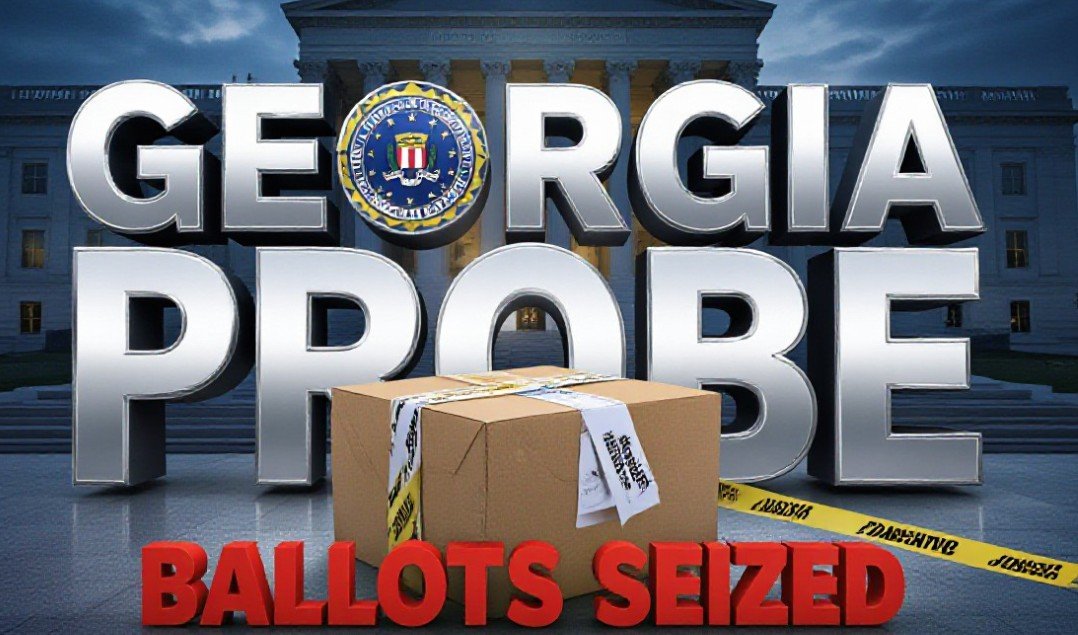
The unsealing of key federal court documents has ignited fresh debate across the United States about a rare FBI search of election materials tied to the 2020 presidential race in Georgia. For the first time, the Justice Department has publicly revealed the evidence it used to secure a January search warrant that led to federal agents seizing hundreds of ballots and other records from Fulton County election offices near Atlanta. What was long a secret is now public and has fueled political division, legal challenges and renewed scrutiny of election integrity and federal power.
The affidavit shows how the probe began with a referral from a White House official once closely linked to efforts to overturn the 2020 election, and it relied on claims that have already been examined and widely dismissed. Still, federal authorities argue there is more to investigate under criminal law. The implications of this move extend beyond Georgia, raising questions about the use of federal law enforcement in election matters six years after the 2020 vote.
White House Referral Ignited FBI Investigation
The newly released affidavit reveals that the Justice Department’s interest in the 2020 Georgia ballots began with a formal referral from Kurt Olsen, a Trump administration official and former campaign lawyer who played a role in post-2020 election challenges. Federal agents then used that referral as the basis to seek a search warrant to seize ballots and related materials from Fulton County’s election hub.
The affidavit states that the FBI was investigating potential violations of federal law related to how ballots were handled or counted in the 2020 general election, even though multiple previous reviews and lawsuits had found no evidence of intentional wrongdoing that could have altered the election’s outcome.
Critics have sharply questioned the role of a White House official who was directly involved in efforts to challenge the certified election results, noting that using claims from partisan figures to launch a criminal inquiry into one county’s election records is highly unusual.
Affidavit Cites Long-Debunked Claims and Alleged Defects
The search warrant affidavit lists several alleged issues with Fulton County’s election records that federal agents said warranted deeper investigation. These include missing or duplicated ballot images, ballots scanned more than once during recounts, and tabulator tapes that were not signed according to standard procedures.
One claim involved more than 17,000 missing scanned ballot images, a discovery that independent election officials have previously explained could have resulted from administrative practices during recounts.
Another allegation focused on “pristine” absentee ballots that were reportedly not folded, leading some observers to suggest they may not have been legitimately mailed and returned. State election experts, however, said such ballots can legitimately occur when counters handle damaged or reviewed ballots.
The affidavit also highlighted missing tabulator tapes, which are printed summaries that verify machine vote totals. County officials have acknowledged administrative errors regarding those tapes but said they did not affect the final certified results.
Despite these claims, many were previously investigated by Georgia’s secretary of state and state election board, which found no evidence of fraud or misconduct that would change the 2020 election outcome.
Seizure of Ballots Provokes Legal and Political Backlash
On January 28, FBI agents executed the warrant and took hundreds of boxes of ballots, voter rolls and other records from the Fulton County Election Hub and Operation Center, located just south of Atlanta. Agents conducted the operation without giving local officials advance notice.
The raid immediately drew fierce criticism from Georgia political leaders. Fulton County officials filed a federal motion asking for the return of the seized materials and demanding that the affidavit used to obtain the warrant be fully unsealed. They argue that the Justice Department disregarded constitutional protections and pursued claims that had already been debunked.
Georgia Secretary of State Brad Raffensperger, a Republican who defended the integrity of the 2020 election, called efforts to reexamine the results a distraction from key issues facing the state.
National Debate Over Federal Role in Elections
The controversy has revived broader national debates about the role of federal law enforcement in state election matters, particularly when allegations stem from claims that have been repeatedly challenged in court. Some legal analysts see the FBI’s involvement as unprecedented and troubling for future election administration.
Others argue that if there are legitimate unanswered questions about compliance with federal election laws, investigators are within their rights to pursue them, even years later and despite past litigation.
The involvement of U.S. Director of National Intelligence Tulsi Gabbard, who was present at the raid site, has further inflamed political tensions, attracting scrutiny from both supporters and critics of the current administration.
The raid also resonates with a larger political context. President Donald Trump, who lost Georgia in 2020 and has long propagated unfounded claims that the election was stolen, has repeatedly raised voices of dissatisfaction with the results. The Fulton County action plays into ongoing debates ahead of upcoming midterm elections.
What Happens Next
Local leaders in Georgia are continuing legal challenges, seeking both the return of the ballots and the full unsealing of all court documents related to the FBI operation. These battles could set important precedents for how election materials are treated in federal investigations going forward.
Observers across the political spectrum are watching closely, knowing that the legal decisions made now may influence how election integrity disputes are handled in future election cycles.
The FBI’s action and the ongoing debate over its justification offer a stark reminder of how deeply the 2020 election remains a flashpoint in American politics, years after ballots were cast. What is certain is that Georgians and Americans alike will be watching closely as courts, officials and citizens weigh in on this unprecedented federal probe.
