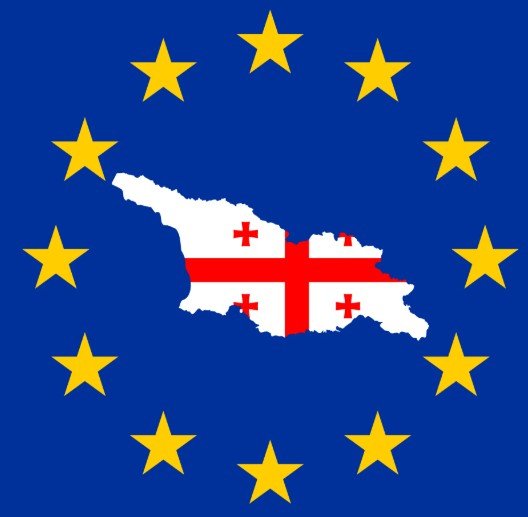
The European Commission has declared Georgia a candidate country for EU membership “in name only” due to severe democratic backsliding. In its 2025 Enlargement Report released on November 4, the Commission urged Georgian leaders to reverse course and recommit to EU values amid ongoing political turmoil.
Key Findings from the EU Report
The report highlights a sharp decline in Georgia’s democratic standards since late 2024. It points to laws that restrict civil society, media freedom, and LGBTQ rights, along with excessive force against protesters.
Experts note this backsliding began with controversial legislation like the foreign agents law, which mirrors Russian-style controls. The Commission states that these actions have halted Georgia’s EU accession process.
Public protests erupted after the October 2024 parliamentary elections, which opposition groups called fraudulent. The ruling Georgian Dream party’s decision to pause EU talks until 2028 fueled more unrest.
The report also criticizes the imprisonment of opposition leaders and threats to ban parties, calling it an attack on pluralism.
Impact on Georgia’s EU Path
Georgia gained candidate status in December 2023, but progress stalled quickly. The Commission says the country has regressed on nine key reform steps, including judicial independence and anti-corruption measures.
This setback places Georgia behind other candidates like Ukraine, Moldova, and Albania, who received positive reviews in the same report. For instance, Montenegro and Serbia are advancing in talks, while Georgia’s process is frozen.
Analysts predict long-term economic harm, as EU integration could boost trade and investment. Georgia’s economy relies on tourism and agriculture, both vulnerable without closer EU ties.
- Democratic erosion: Laws targeting NGOs and media have silenced critics.
- Rule of law issues: Courts are seen as tools for political gain.
- Human rights concerns: Restrictions on assembly and expression violate EU norms.
The Commission warns that without reforms, Georgia risks isolation from Western partners.
Broader Political Context in Georgia
Recent events show deepening polarization. Mass protests in November 2024 led to clashes with police, resulting in arrests and injuries.
The ruling party faces accusations of aligning closer to Russia, despite public support for EU membership at around 80 percent in polls. This shift contradicts Georgia’s constitution, which mandates pursuing EU and NATO integration.
International observers, including from the OSCE, questioned the 2024 election’s fairness due to voter intimidation and irregularities.
In response, the EU has suspended some funding and called for new elections. Georgian officials deny wrongdoing, claiming reforms protect national sovereignty.
Reactions from Leaders and Experts
EU Ambassador to Georgia Pawel Herczynski described the report as “devastating,” stating Georgia is not on track for membership by 2030 or beyond.
Opposition figures in Georgia welcomed the EU’s stance, hoping it pressures the government for change. One leader said it exposes the regime’s true intentions.
Global watchdogs like Human Rights Watch echo the concerns, reporting increased repression since mid-2024.
| Aspect | EU Assessment | Required Action |
|---|---|---|
| Democracy | Serious backsliding with repressed freedoms | Reverse repressive laws and ensure fair elections |
| Rule of Law | Institutions used for partisan goals | Strengthen judicial independence |
| Fundamental Rights | Restrictions on media and minorities | Protect civil society and human rights |
| EU Alignment | Process halted, anti-EU rhetoric rising | Recommit to accession reforms |
This table summarizes the core issues and steps needed for progress.
Experts argue that sustained international pressure could encourage reforms, drawing parallels to past turnarounds in Eastern Europe.
What Happens Next for Georgia
The Commission demands tangible steps, such as repealing restrictive laws and freeing political prisoners. Without these, EU relations will remain strained.
Georgians face a choice between European integration and current policies. Upcoming local elections in 2025 could be a turning point.
In the meantime, civil society groups plan more demonstrations, while the government vows to maintain its course.
Share your thoughts on Georgia’s EU future in the comments below, and spread this article to keep the conversation going.