
The European Union is set to enforce its new content moderation law, the Digital Services Act (DSA), which aims to hold Big Tech firms accountable for the risks their services pose to society and citizens. The DSA will give the European Commission the power to investigate and fine some of the most popular social media and e-commerce platforms up to 6 percent of their global annual revenue if they fail to comply with the wide-ranging obligations in the EU’s content rulebook.
The DSA: a landmark legislation for online safety
The DSA is the EU’s answer to what it sees as a failure by tech giants to combat illegal content, such as hate speech, terrorism, child abuse, and counterfeit goods, on their platforms. The DSA also seeks to protect users’ rights and freedoms online, such as privacy, expression, and information.
The DSA will apply to all websites that offer services in the EU, regardless of where they are based. However, platforms with more than 45 million users in the EU, such as Meta, X (formerly Twitter), TikTok, and Google, will have to abide by stricter rules and obligations.
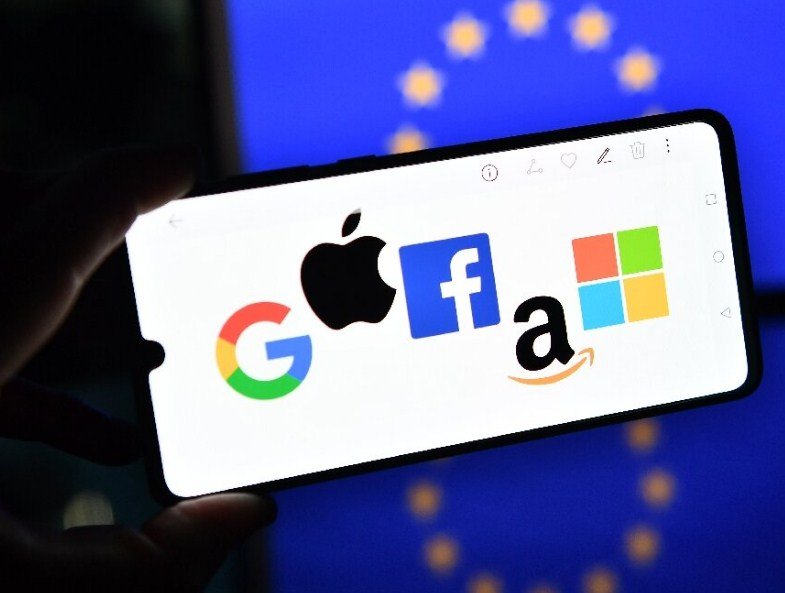
Some of these rules include:
- Providing clear and transparent terms and conditions for users and advertisers
- Establishing effective and user-friendly mechanisms for reporting and flagging illegal or harmful content
- Taking swift and proportionate action to remove or disable access to such content
- Cooperating with authorities and other platforms to prevent the dissemination of illegal or harmful content
- Providing regulators with annual reports about their content moderation policies and practices
- Paying a supervisory fee of up to 0.05 percent of their global annual revenue to the Commission to enforce the law
- Appointing a legal representative in the EU who can be held liable for non-compliance
The Commission will have the authority to launch investigations, impose fines, and even temporarily ban a tech company under exceptional cases. The fines can range from 1 percent to 6 percent of the company’s global annual revenue, depending on the severity and recurrence of the breach. For example, based on their reported 2021 annual sales, Amazon.com Inc could face a theoretical fine of as much as 26 billion euros ($28 billion) for future non-compliance with the DSA.
The DSA: a global gold standard for regulating social media companies
The DSA is widely seen as a pioneering and ambitious legislation that could set a global standard for regulating social media companies. The DSA has been praised by many stakeholders, including civil society groups, academics, experts, and even some tech companies themselves. For instance, Facebook whistle-blower Frances Haugen said the DSA could represent a “global gold standard” for regulating social media companies.
The DSA is also expected to have a significant impact on the online environment in the EU and beyond. According to the Commission, the DSA will:
- Enhance online safety and trust for users and businesses
- Foster innovation and competition in the digital market
- Promote democratic values and fundamental rights online
- Strengthen the EU’s digital sovereignty and leadership
The DSA is also seen as a complementary legislation to the Digital Markets Act (DMA), which was finalized in March 2023. The DMA is another framework that aims to ensure fair and open competition in the digital sector by imposing specific obligations on “gatekeepers”, such as Google and Apple, that have significant market power and influence.
The DSA: a long-awaited and controversial law
The DSA has been in the making since December 2020, when the Commission first proposed it as part of its European Digital Strategy. Since then, the DSA has undergone several rounds of negotiations and amendments among the EU institutions and member states. The final agreement on the scope and details of the DSA was reached on April 24, 2023, after more than a year of intense discussions.
However, the DSA has also faced criticism and opposition from various quarters. Some tech companies have argued that the DSA imposes excessive burdens and costs on them, while others have questioned its effectiveness and proportionality. Some member states have also expressed concerns about the Commission’s role and powers in enforcing the DSA, as well as its potential impact on national sovereignty and security. Moreover, some civil society groups have warned that the DSA could undermine freedom of expression and information online by creating incentives for over-blocking or censorship of legitimate content.
The deal still needs to be signed-off by parliamentarians and the 27 EU countries before being made official later this year. Large companies will then have four months to comply with the rules, while all other companies will have 15 months. Smaller companies can apply to be exempt from certain rules.
