
The wait is finally over for fans of the anime-styled action RPG genre. Bandai Namco has officially broken the silence on the highly anticipated sequel, Code Vein II. In a detailed update from Associate Brand Manager Duy Pham, the studio revealed massive changes to the combat formula that defined the original hit. The sequel introduces a new protagonist role known as the Revenant Hunter and completely overhauls how players interact with their AI companions. This isn’t just a simple stat boost. It is a fundamental shift in how you survive the post-apocalyptic world.
We are diving deep into the new mechanics that promise to redefine the “Anime Souls” experience. The developers have introduced a complex dual-mode system for partners and a protective mechanic called Link Points. These additions suggest a game that is faster, more strategic, and deeply focused on the bond between the player and their allies. Here is everything we know about the new systems shaping your next adventure.
The Evolution of The Buddy System
The original Code Vein stood out in the crowded Soulslike market because of its unique partner system. You were rarely alone in the dangerous dungeons. Code Vein II takes this concept and expands it into a versatile tactical tool. You are no longer just fighting next to an NPC. You are now commanding a Revenant Hunter who wields a mysterious device called a Jail artifact.
This artifact is embedded directly in your back. It serves as the narrative and mechanical anchor for your new powers. The developers explained that players will travel into the past to prevent a future collapse. This narrative framing allows you to team up with legendary heroes from the lore. Gaining their trust is not just for the story. It directly impacts your combat potential through the new Formae system.
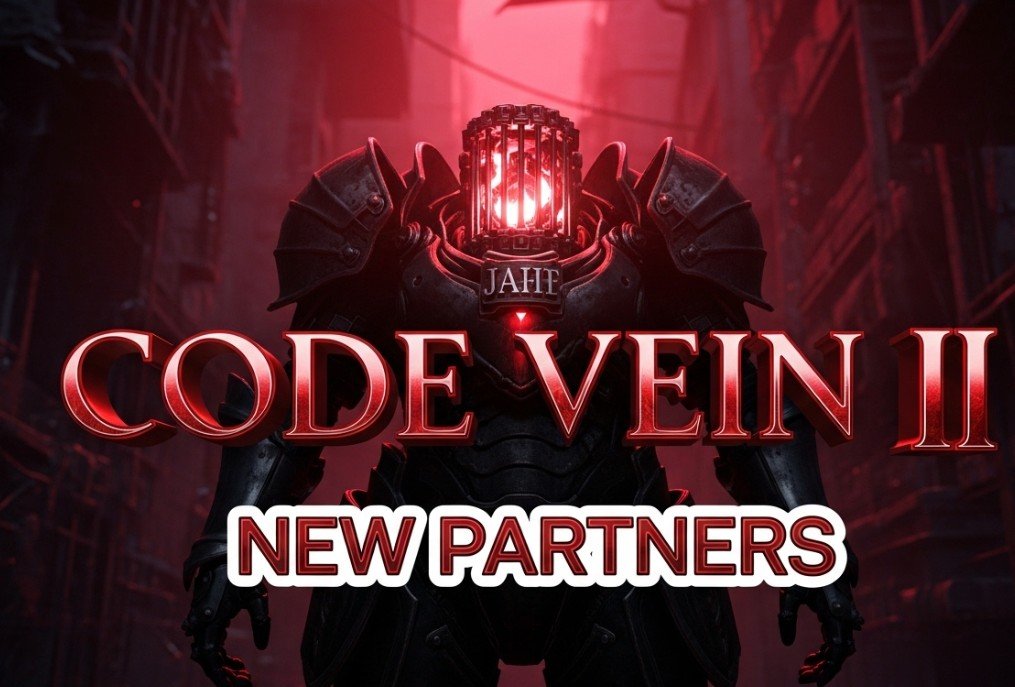
Every partner possesses a unique power known as Formae. This ability functions as both an offensive weapon and a support tool. The synergy is clear. When your partner performs a special drain attack, they share the absorbed blood with you. This restores your Ichor, which is the vital resource used for your own skills. This creates a loop where you rely on your partner to keep your resources high.
Assimilation Versus Summoning
The biggest reveal from Bandai Namco focuses on player choice in the heat of battle. You now have two distinct ways to utilize your partner. Each mode serves a specific combat scenario.
Summoning is the first mode. This feels similar to the traditional gameplay but with more autonomy. When you summon a partner, they act independently on the battlefield. They draw enemy attention away from you. They attack foes on their own accord. This mode is designed specifically for crowd control. When you are overwhelmed by a swarm of lesser enemies, Summoning your partner evens the odds. It allows you to breathe while your ally handles the chaos.
Assimilation is the second and more radical mode. This option allows you and your partner to merge your strengths. You become one entity in a combat sense. This does not mean you physically merge, but your stats and abilities are heavily enhanced by your partner’s presence. The developers state this mode is most effective for one-on-one duels. When facing a massive boss or a tough elite enemy, Assimilation focuses all that power into a single point. You trade field control for raw power and survivability.
Key Differences Between Combat Modes:
- Summoning: Best for groups. Partner draws aggro. Independent actions.
- Assimilation: Best for bosses. Stat enhancements. Focused power.
Understanding The New Link Point Mechanic
Survivability in action RPGs usually revolves around a health bar and a stamina bar. Code Vein II disrupts this standard with the introduction of Link Points (LP). This new resource represents the strength of the bond between you and your partner. It acts as a protective shield for your actual health points (HP).
The system works like a buffer. When you take a hit from an enemy, you lose Link Points first. Your actual HP remains untouched as long as you have LP remaining. This changes the stakes of combat significantly. It means you can take risks as long as your bond is strong. You only begin to lose real health once your Link Points are fully depleted.
This system encourages players to maintain a strong relationship with their partners. It transforms the “friendship” mechanic from a narrative fluff piece into a critical survival tool. If you ignore your partner, your LP might be low, leaving you vulnerable. If you deepen your relationship, you unlock stronger passive bonuses and likely a larger LP pool. Managing your LP is just as important as managing your stamina.
A New Narrative Journey Into The Past
The story premise of Code Vein II appears to be more ambitious than its predecessor. The original game focused on escaping the closed society of Vein. The sequel tasks players with a time-traveling mission. You must venture into the past to save the present.
This setup allows the developers to bring back “legendary heroes” who might have been dead or missing in the first game. It gives players a chance to see the world before it fully collapsed. The “Jail artifact” mentioned by Duy Pham suggests a darker tone. The name implies containment or punishment. It raises questions about the true nature of the Revenant Hunters. Are they heroes, or are they prisoners of their own duty?
The integration of story and gameplay seems tighter this time. You need to earn the trust of these heroes to use their powers effectively. This suggests a reputation system or character-specific quest lines that directly reward you with combat power. The better you know a hero, the better they fight for you.
Why This Matters for Action RPG Fans
Code Vein was a surprise hit that sold over three million copies. It proved that there was a hunger for a “Souls” game with a distinct anime aesthetic and a heavy focus on story. Code Vein II seems to be doubling down on what made the first game special while fixing its criticisms.
The move to add Link Points and distinct Summon/Assimilate modes adds depth. It removes the passive nature of having a partner. You now have to make active choices. Do I need a distraction? I will Summon. Do I need to tank a heavy hit? I will Assimilate. This strategic layer is what genre veterans crave.
The game is shaping up to be a strong contender in the action RPG space. Bandai Namco has not yet given a release date, but this deep dive into mechanics suggests development is well underway. We are eager to see how the Formae abilities look in motion and which legendary heroes we will get to meet.
