
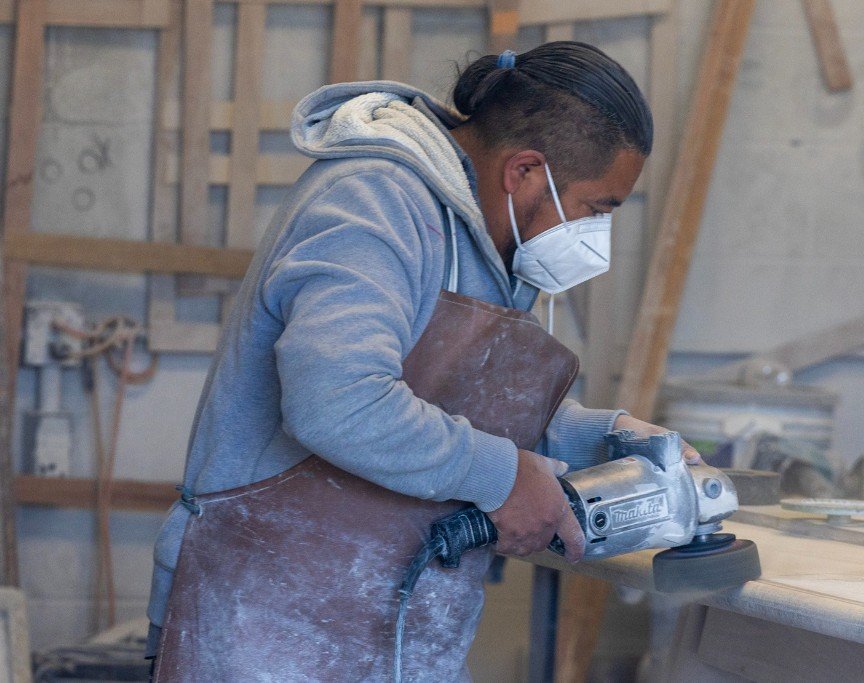
Doctors in California are calling for a full ban on engineered stone, a popular material for kitchen countertops, after it caused a surge in deadly lung disease among workers. The petition, filed on December 12, 2025, highlights how this artificial stone releases toxic silica dust during cutting, leading to silicosis, an incurable illness that has killed dozens and sickened hundreds in the state.
Rising Health Crisis in Stone Fabrication
Health experts from the Western Occupational and Environmental Medical Association sent a formal request to state regulators, urging them to stop all work with engineered stone that contains more than one percent crystalline silica. This move comes as California faces what doctors call an occupational health emergency, with cases of silicosis spiking among mostly Latino immigrant workers who cut and install countertops.
The disease scars the lungs and makes breathing difficult, often striking young men in their 20s and 30s after just a few years of exposure. State records show about 450 confirmed cases since 2019, but officials predict that number could climb to between 1,000 and 1,500 over the next decade. At least 25 workers have died, and many others now need lung transplants to survive.
Recent rebuilding efforts after massive wildfires in Los Angeles earlier this year have boosted demand for these countertops, putting even more workers at risk. Doctors argue that current rules, like requiring wet cutting methods to control dust, are not enough because many small shops cannot afford the needed equipment or training.
Lessons from Australia’s Ban
Australia took bold action in July 2024 by banning engineered stone nationwide, the first country to do so. That decision followed a similar wave of silicosis cases among stoneworkers, prompting manufacturers to switch to safer, silica-free options.
California doctors point to Australia’s success as proof that a ban can work without crippling the industry. In Australia, companies quickly adapted by offering new products that look and perform like traditional engineered stone but without the health risks. Experts here say the same shift could happen in the U.S., especially since major makers already sell these alternatives abroad.
However, industry groups resist the idea. They claim the problem lies with poor enforcement of safety rules, not the material itself. A spokesperson for a trade association suggested a licensing system for shops that follow regulations, rather than an outright ban.
- Key differences between Australia and California: Australia’s smaller market allowed a faster transition, while California’s larger economy involves thousands of small businesses.
- Potential U.S. impact: A ban could affect over 4,600 fabrication workers in the state, but supporters say it would save lives and reduce long-term healthcare costs.
Spreading Cases Beyond California
The silicosis problem is not limited to one state. Doctors in Massachusetts reported their first case linked to countertop work in December 2025, involving a man in his 40s who needed urgent care after years of exposure. Similar reports have emerged in Illinois, Utah, Colorado, and even as far as New York and Florida.
A study from earlier this year tracked 52 cases in California alone, with 10 deaths and three lung transplants. Researchers warn that underreporting hides the true scale, as many workers lack access to healthcare or fear speaking out due to immigration status.
Public health officials in other countries, like the United Kingdom and Spain, are also raising alarms and considering bans. In the U.S., the growing evidence has led to lawsuits against manufacturers, with workers claiming companies knew about the dangers but failed to warn them.
| State | Reported Silicosis Cases (Linked to Engineered Stone) | Deaths | Year of Latest Report |
|---|---|---|---|
| California | 450+ | 25 | 2025 |
| Massachusetts | 1 | 0 | 2025 |
| Illinois | Dozens | Unknown | 2025 |
| Colorado | Several | Unknown | 2025 |
This table shows how the issue is expanding, with California leading in tracked cases but others catching up quickly.
Industry Pushback and Safer Alternatives
Fabricators and manufacturers argue that engineered stone can be safe if shops use proper ventilation, masks, and wet tools. Yet inspections in California found most of the 120 visited shops breaking these rules in the past two years. The high silica content, often over 90 percent, makes dust control extremely hard, even with the best equipment.
Safer options exist, like low-silica or silica-free stones that mimic the look and durability of engineered ones. Doctors say switching to these could prevent future cases without major job losses. One former worker, now waiting for a lung transplant, shared that he wishes he had known the risks earlier and supports moving to zero-silica products.
Governor Gavin Newsom signed a law in 2025 to boost education and enforcement, but it stopped short of certification for safe shops. Regulators now have up to six months to review the ban petition, amid growing pressure from medical groups.
What Consumers and Workers Need to Know
Many homeowners choose engineered stone for its style and low cost, unaware of the human toll. Experts recommend asking installers about safety practices or opting for natural stones like granite, which have lower silica levels.
For workers, early symptoms like shortness of breath should prompt immediate medical checks. Support groups and legal aid are available for those affected, helping with claims and transplants.
As this debate heats up, the focus remains on balancing economic needs with worker safety. A ban could set a national precedent, much like Australia’s did globally.
Share your thoughts on this issue in the comments below, and spread the word by sharing this article with friends who might be remodeling their homes.
