Scientists have uncovered how bowhead whales live over 200 years without much cancer risk. New research shows their super DNA repair skills could help humans fight diseases.
The Puzzle of Giant Animals and Cancer
Bowhead whales are huge creatures that can weigh up to 100 tons and live more than two centuries. Yet they rarely get cancer, which puzzles experts because bigger bodies mean more cells and higher chances for harmful mutations.
This odd fact is called Peto’s Paradox. It questions why large animals like whales and elephants do not face more cancer than smaller ones like mice. Recent studies point to special ways these giants protect their cells.
Experts looked at whale cells in labs. They found bowhead cells fix broken DNA much better than human or other mammal cells. This repair stops mutations that lead to tumors.
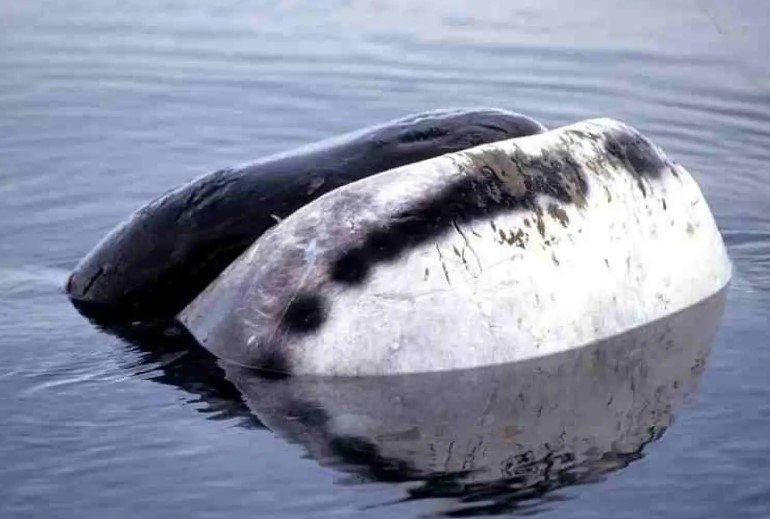
The work builds on years of research into animal longevity. For instance, elephants have extra copies of a cancer-fighting gene. Whales seem to use a different trick focused on quick and accurate fixes.
Key Protein Behind Whale Longevity
A big discovery is a protein called CIRBP. This cold-loving protein boosts DNA repair in bowhead whales.
In cold waters, whales make more CIRBP. It helps fix double-strand breaks in DNA, which are serious damage that can cause cancer if not repaired right.
Tests showed whale cells with high CIRBP levels repair DNA faster and with fewer errors. When scientists added whale CIRBP to human cells, those cells got better at fixing DNA too.
Fruit fly experiments backed this up. Flies with extra CIRBP lived longer and resisted DNA damage better. This suggests the protein could work across species.
CIRBP also ties into how whales handle cold stress. Living in icy Arctic seas might have evolved this protein into a longevity tool.
Here are some standout facts about bowhead whales:
- They are the longest-living mammals, with some reaching 211 years.
- Adults can grow to 60 feet long and eat up to two tons of food daily.
- Their thick blubber layer, up to 20 inches, protects against freezing waters.
- Bowheads sing complex songs that change each year, like hit music charts.
How This Challenges Cancer Theories
Peto’s Paradox has puzzled biologists since the 1970s. The new whale findings flip old ideas on their head.
Instead of killing off damaged cells, whales repair them with high skill. This keeps their massive bodies healthy over long lives.
Mutation rates in whale cells are lower than in humans. Better repair means fewer errors slip through during cell division.
Comparisons with other long-lived animals help. Naked mole rats, which live up to 30 years, also resist cancer through unique cell behaviors.
Recent events add excitement. In October 2025, a study on Greenland sharks, another long-lived species, showed similar DNA stability traits. This wave of research highlights ocean animals as keys to human health puzzles.
| Animal | Max Lifespan | Cancer Risk | Key Defense |
|---|---|---|---|
| Bowhead Whale | 200+ years | Very low | Superior DNA repair via CIRBP |
| Human | 120 years | Moderate to high | Basic repair, prone to mutations |
| Elephant | 70 years | Low | Extra TP53 gene copies |
| Naked Mole Rat | 30 years | Extremely low | Cell contact inhibition |
Hope for Human Health Advances
These whale secrets open doors for medicine. Better DNA repair could lead to new cancer treatments or ways to slow aging.
Scientists think boosting CIRBP in humans might improve cell health. Early tests in labs show promise, but human trials are years away.
Aging experts see links to diseases like Alzheimer’s, where DNA damage plays a role. Fixing DNA better could prevent such issues.
Public interest is growing. Social media buzzes with posts about whale longevity, tying into trends like biohacking for longer life.
Challenges remain. Whales live in extreme conditions, so applying their biology to humans needs careful study. Ethical concerns about animal testing also arise.
What Lies Ahead in Research
More studies are planned. Teams aim to map the full bowhead genome for other hidden gems.
Collaborations between marine biologists and cancer researchers are increasing. Funding from groups like the National Institutes of Health supports this work.
Climate change threatens bowhead habitats. Warmer Arctic waters could impact their populations, making urgent study vital.
Experts call for protecting these whales to learn more. Conservation efforts tie directly to health breakthroughs.
Share your thoughts on this fascinating discovery. Have you heard of other animals with super health powers? Comment below and spread the word to friends interested in science and nature.