
Blue Origin’s New Glenn rocket blasted off from Florida on November 13, 2025, carrying NASA’s twin Escapade probes to study Mars. The launch marked a big win with the rocket’s booster landing safely on a sea platform, boosting the company’s reusable tech goals.
This event puts Jeff Bezos’ space firm in direct rivalry with SpaceX. It shows reusable rockets can cut costs and speed up missions to other planets.
Launch Success Amid Delays
The New Glenn rocket lifted off at 2:55 p.m. ET from Cape Canaveral Space Force Station after weather delays pushed back earlier tries. Blue Origin teams worked through two countdown stops on the day of the launch.
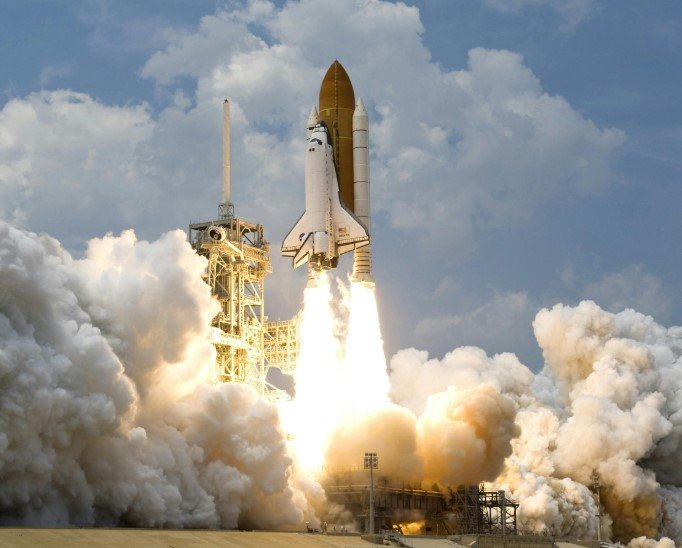
The 320-foot-tall rocket used seven BE-4 engines to power through the sky. It reached max dynamic pressure without issues.
This was the second flight for New Glenn, following its debut in January 2025. The first flight tested the rocket but did not recover the booster.
Engineers confirmed stage separation happened smoothly about three minutes after liftoff. The upper stage kept going to deploy the payloads.
NASA Escapade Mission Details
The main cargo included two small satellites named Blue and Gold for NASA’s Escapade project. These probes will orbit Mars to examine how solar wind affects the planet’s atmosphere and magnetic field.
Scientists expect the data to reveal why Mars lost much of its water over time. This could help understand if the planet once supported life.
Escapade stands for Escape and Plasma Acceleration and Dynamics Explorers. The mission costs about $80 million and involves partners like the University of California, Berkeley.
The probes separated from the rocket’s upper stage about an hour after launch. They will take several months to reach Mars and start sending back info in late 2026.
This launch also carried a tech demo for Viasat to test new communication tools for space ops.
Here are key facts about the Escapade probes:
- Size: Each is about the size of a mini fridge.
- Instruments: Magnetometers, plasma analyzers, and electrostatic analyzers.
- Orbit: They will fly in tandem around Mars for up to a year.
- Goals: Measure solar wind impacts and plasma changes.
Historic Booster Landing
The booster, called “Never Tell Me the Odds,” returned to Earth after separating from the upper stage. It fired three of its engines to slow down and land on the Jacklyn platform in the Atlantic Ocean.
This marked Blue Origin’s first successful orbital booster recovery. The landing happened about eight minutes after liftoff, drawing cheers from the control room.
Blue Origin aims to reuse boosters up to 25 times, much like SpaceX does with Falcon 9. This cuts launch costs and makes space travel more affordable.
Experts say this success proves New Glenn can handle heavy payloads and return safely. The booster stood tall on the platform, ready for checks and possible reuse on future flights.
| Feature | Blue Origin New Glenn | SpaceX Falcon 9 |
|---|---|---|
| Height | 320 feet | 230 feet |
| Engines | 7 BE-4 | 9 Merlin |
| Payload to Orbit | Up to 45 tons | Up to 23 tons |
| Reusability | Booster lands at sea | Booster lands on land or sea |
| First Successful Landing | November 2025 | December 2015 |
Competition Heats Up in Space Race
Blue Origin’s feat ramps up pressure on rivals like SpaceX, which has landed boosters over 300 times. Jeff Bezos founded Blue Origin in 2000 to make space access cheaper and safer.
This launch comes as NASA pushes for more private partners in deep space exploration. The agency picked Blue Origin for this mission under a $55 million contract.
Industry watchers see this as a step toward more Mars trips. Recent events include SpaceX’s Starship tests and NASA’s Perseverance rover findings on Mars rocks.
Blue Origin plans more New Glenn flights in 2026, including national security payloads. The company also works on lunar landers for NASA’s Artemis program.
Reactions and What Comes Next
Jeff Bezos joined staff to celebrate the milestone. Social media buzzed with praise for the clean landing and mission start.
NASA officials called it a great day for science. The Escapade team looks forward to data that could reshape Mars knowledge.
This success builds on Blue Origin’s suborbital flights with New Shepard, which has carried tourists to space’s edge.
Looking ahead, reusable tech like this could open doors to asteroid mining and space tourism. It also supports goals like returning humans to the Moon by 2026.
What do you think about this space breakthrough? Share your thoughts in the comments and spread the word to fellow space fans.
