
Australian health authorities have issued a warning over counterfeit rabies vaccines circulating in India, saying some travellers may have received ineffective doses that offer little or no protection against a virus that is almost always fatal once symptoms appear.
The alert follows investigations that traced falsified rabies vaccines to the Indian market, prompting officials to urge caution for anyone vaccinated in the country since late 2023.
Health warning triggered by cross-border investigations
The advisory was issued on December 22 by Australia’s national immunisation experts, working alongside state and territory health departments. Their message was blunt. People who received the rabies vaccine Abhayrab in India from November 1, 2023 onward should assume the dose may not be valid.
Australian officials said counterfeit versions of the vaccine were found to be circulating widely, and visual checks alone cannot reliably tell genuine vials from fake ones. That uncertainty, they warned, creates a dangerous gap in protection.
Abhayrab is not licensed for use in Australia, but it is commonly administered to travellers and residents in India following animal bites or as part of preventive vaccination schedules. For Australians travelling through high-risk regions, rabies shots are often taken locally after exposure.
Now, that routine step is under scrutiny.
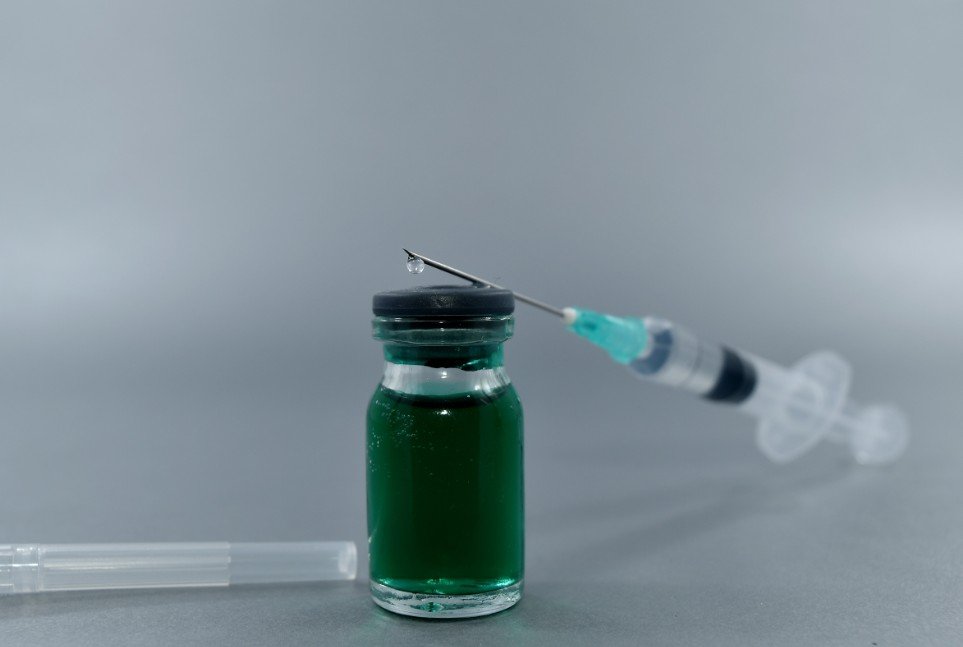
Why rabies leaves no room for error
Rabies is not forgiving. It attacks the central nervous system and is typically transmitted through bites or scratches from infected animals, most often dogs. Once symptoms appear, survival is almost unheard of.
The World Health Organization estimates that rabies causes tens of thousands of deaths worldwide each year, with India carrying a heavy share of that toll. Experts place annual fatalities in India at roughly 18,000 to 20,000 cases, a figure that has barely shifted for years.
That context explains the urgency behind the Australian warning. A vaccine that fails quietly can create false reassurance, delaying treatment until it is too late.
And with rabies, delays are deadly.
What authorities say about the counterfeit doses
Investigations suggest counterfeiters copied legitimate batch numbers and branding, making fake vaccines nearly indistinguishable from the real product. One batch number cited in inquiries was KA24014, though officials stress the problem is not limited to a single lot.
According to health agencies, the falsified doses differed in chemical composition, packaging quality, and labeling details. But those differences are subtle. Clinics and patients would struggle to spot them without laboratory testing.
That’s why Australian authorities have taken a blanket approach. Any Abhayrab dose administered in India during the affected period should be treated as potentially compromised.
For people who think they may have received such a dose, doctors are advising revaccination using verified vaccines approved by Australian regulators.
The role of the manufacturer and Indian response
The counterfeit issue was first flagged by Indian Immunologicals Limited, the company that produces Abhayrab. The firm reported the problem to authorities in early 2025 after internal checks and market surveillance raised red flags.
The company said counterfeit products had entered the supply chain, using copied batch numbers and branding to pass as genuine stock. Indian regulators were notified, and investigations are ongoing.
India has long struggled with counterfeit medicines, especially in high-demand categories such as vaccines, antibiotics, and chronic disease treatments. Large supply chains, uneven oversight, and strong demand can create openings for bad actors.
That reality complicates enforcement, even when manufacturers move quickly.
What this means for travellers and migrants
For Australians, the warning carries practical implications. Anyone vaccinated against rabies in India since November 2023 is being advised to review their medical records and consult a healthcare provider.
That includes:
-
Tourists who received post-bite treatment
-
Long-term visitors and students
-
Migrants who completed vaccination courses locally
Doctors may recommend booster doses or restarting vaccination schedules using verified products. In some cases, blood tests may be used to assess antibody levels, though those tests are not always conclusive.
The advisory is also likely to influence travel medicine guidance more broadly. Clinicians may steer travellers toward completing rabies vaccination courses before departure, rather than relying on local doses after exposure.
That shift could raise costs, but it reduces uncertainty.
India’s ongoing battle with rabies
Rabies remains a public health challenge in India, driven largely by stray dog populations and uneven access to prompt medical care. Awareness campaigns have helped, but gaps persist, especially in rural areas.
Vaccination after exposure is effective when genuine products are used promptly and correctly. The presence of counterfeit vaccines undermines that system, eroding trust and putting lives at risk.
Public health experts say the issue highlights the need for tighter supply chain monitoring, better reporting mechanisms, and faster recalls when counterfeit products are detected.
It also raises uncomfortable questions about how many cases of vaccine failure may go unnoticed.
International ripple effects
Australia is not alone in paying attention. Other countries with large travel flows to and from India are expected to review their guidance as more details emerge.
Rabies does not respect borders. A single ineffective dose administered in one country can have consequences months later, thousands of kilometres away.
For now, Australian health officials say their priority is awareness. They want people to know the risk exists and to act early rather than assume they are protected.
