
America’s food advice just took a sharp turn. New federal dietary guidelines now spotlight protein and healthy fats, welcoming foods once frowned upon while putting sugar and ultra-processed items firmly on notice. Nutrition experts agree the shift matters, though many say balance still decides whether this works or backfires.
For consumers, it’s a reset moment. And maybe a confusing one.
A noticeable shift away from old diet playbooks
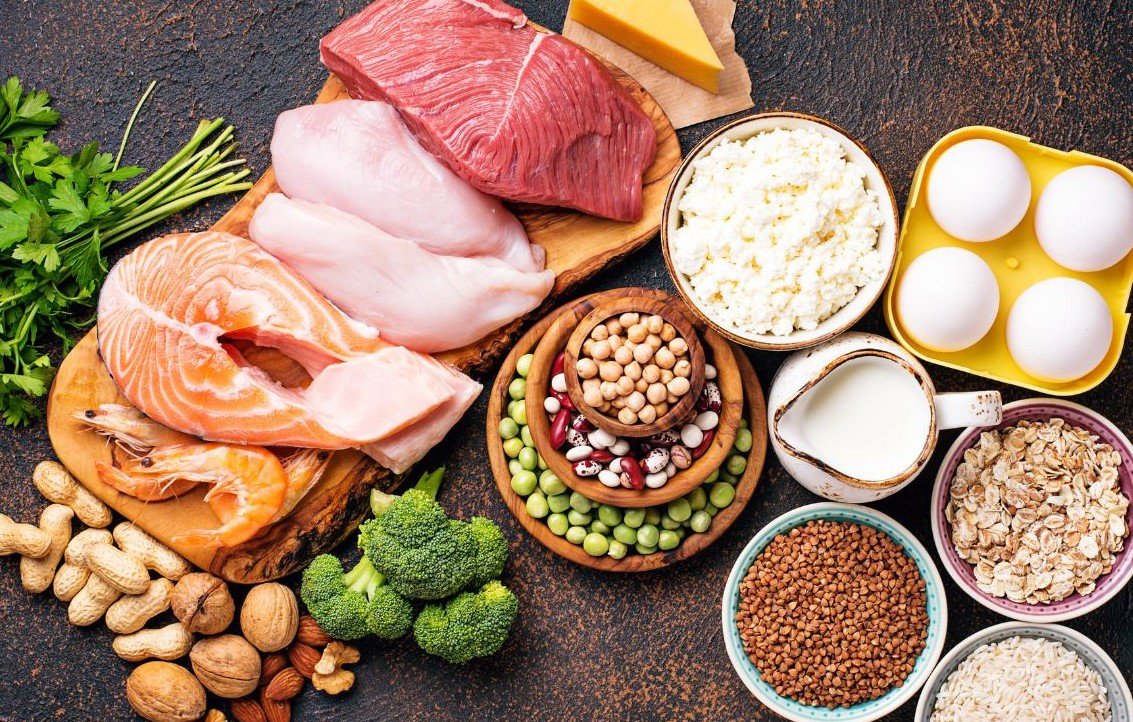
The updated guidance marks a clear break from decades of low-fat messaging. Steak, eggs, full-fat dairy, butter, and whole food protein sources are back in the conversation, framed as everyday options rather than guilty pleasures.
That alone feels radical to some Americans who grew up counting fat grams.
Officials describe the change as an effort to address long-standing health problems, especially obesity, diabetes, and heart disease, by focusing on foods that actually satisfy hunger. The idea is simple enough: eat meals anchored in protein, include healthy fats, and cut back on highly processed carbohydrates and added sugars.
One nutrition researcher described it as “less math, more meals.”
The new approach also sidelines the old pyramid mindset that placed grains at the center of every plate. Instead, protein now leads, with vegetables, fruits, and fats supporting the structure.
Still, experts caution that headlines can oversimplify what the guidance actually says.
Why protein and fat are back in favor
Protein does more than build muscle. It helps regulate appetite, supports metabolic health, and keeps people fuller longer, which may reduce constant snacking. Healthy fats, meanwhile, play a role in hormone function and nutrient absorption.
That science isn’t new. What’s new is the tone.
Full-fat dairy, for instance, once discouraged, is now acknowledged for its protein content and nutrients like calcium and vitamin D. Milk, yogurt, and cheese show up as legitimate parts of a healthy pattern, rather than foods to limit by default.
Meats, including red meat, are framed with more nuance. Lean cuts and reasonable portions are emphasized, but the blanket avoidance language is gone.
This recalibration reflects years of studies questioning whether low-fat diets actually delivered better health outcomes. Some large reviews found little difference in long-term weight control between low-fat and moderate-fat diets when calories were similar.
In short, the pendulum swung back.
But not all the way.
What nutrition experts say people may get wrong
Dietitians largely welcome the focus on whole foods. Where they worry is interpretation.
Some fear consumers will hear “fat is back” and go all in on butter-heavy plates without vegetables or fiber. Others worry protein messaging could crowd out plant foods that still matter for gut and heart health.
A registered dietitian in Atlanta put it bluntly: “Protein is great, but no one lives on steak alone.”
Moderation remains the quiet backbone of the guidelines, even if it’s less flashy than talk of bacon and cheese. Experts continue to stress portion size, food variety, and overall dietary patterns rather than single ingredients.
They also warn against turning this into another food culture war.
Highly processed foods and added sugars remain the clearest targets. That message did not soften. If anything, it sharpened.
Research cited by public health agencies shows diets high in ultra-processed foods are associated with higher risks of obesity, type 2 diabetes, and cardiovascular disease. That link holds even when calories are controlled.
The message is not “eat whatever you want.” It’s “choose foods that look like food.”
How this connects to chronic disease trends
Health officials argue the shift responds to stubborn statistics. Obesity rates remain high, and diet-related chronic illnesses continue to strain the health system.
Data referenced by the Centers for Disease Control and Prevention show that a significant share of American adults live with at least one chronic condition, many tied to diet quality.
The logic behind emphasizing protein is partly behavioral. Meals with adequate protein tend to reduce spikes in blood sugar and may lower overall calorie intake across the day.
That could matter for diabetes prevention.
Healthy fats, particularly from sources like olive oil, nuts, seeds, and dairy, also appear less harmful than once thought when eaten in realistic amounts.
But experts underline that no single guideline reverses decades of eating habits overnight. Structural issues, from food access to cost, still shape what people actually put on their plates.
Grocery carts, budgets, and real-world eating
One practical question keeps surfacing: can families afford this kind of eating?
Protein-rich foods often cost more than refined grains or packaged snacks, especially for households already stretched thin. Nutrition advisers acknowledge that “real food” sounds great until price tags enter the picture.
That’s where dairy plays a role. Milk, yogurt, and cheese remain relatively affordable protein sources compared to many meats. Eggs, too, despite price fluctuations, continue to anchor many budgets.
Experts also note that “real food” doesn’t require exotic ingredients. Beans, lentils, canned fish, and frozen vegetables still fit comfortably within the guidelines.
The danger lies in turning the advice into an all-or-nothing rulebook.
One dietitian joked that the goal is better eating, not dietary perfection. That line drew nods.
A quieter message beneath the headlines
Lost in the steak-and-butter chatter is a softer message about mindfulness. The guidelines encourage people to notice how food makes them feel, how satisfied they are after meals, and how often they rely on packaged convenience.
That’s less dramatic than declaring carbs the enemy, but arguably more useful.
Nutrition science has a long memory. Advice swings. What sticks tends to be habits that feel sustainable rather than restrictive.
Experts say the real test of the new guidelines won’t be in policy documents, but in kitchens, school cafeterias, and grocery aisles over the next few years.
Will Americans eat fewer ultra-processed foods? Will protein become more evenly spread across meals? Will people stop fearing fat without overdoing it?
