S&P report forecasts robust profitability for Kuwaiti banks
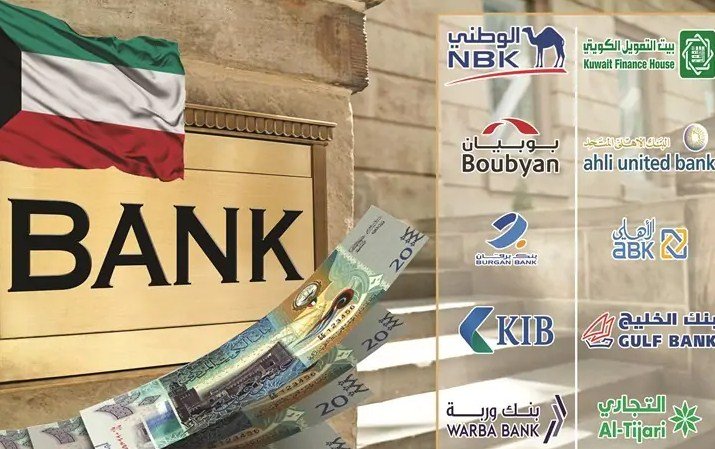
Standard & Poor’s (S&P), the global credit ratings agency, has released a report forecasting that Kuwaiti banks will maintain robust profitability throughout the current year. This outlook is underpinned by the banking sector’s favorable positioning to capitalize on the prevailing high-interest rate environment over the long term.
The report highlighted that the rise in net interest income will be offset to some extent by the move from non-interest deposits to interest-bearing deposits and the increase in credit losses. However, financing in the banking sector continues to benefit from a strong domestic deposit base and a net external asset position, and this translates into positive investor sentiment.
Lending growth expected to remain weak amid higher interest rates
In terms of lending growth, the agency expects it to remain weak, as banks’ lending records expanded at an annual rate of 3% in the first half of 2023, which is much lower than loan growth of 8% in 2022. S&P expects that higher interest rates will lead to lower demand from corporate and individual borrowers, which will translate into low single-digit growth in banking sector loans.
The agency also noted that prolonged high interest rates and a slowdown in the oil economy may pose challenges for some Gulf banks, especially in Qatar and Kuwait, where the real estate rental market is facing a decline in demand. This may weaken the asset quality metrics of Qatari and Kuwaiti banks.
Cost of risk to rise and normalize by 2023-2024
Overall, the agency expects the cost of risk to rise and normalize by about 60-70 basis points in 2023 and 2024, from 40 basis points in the first half of 2023 and at the end of 2022. However, high provision margins, which could offset the potential increase in non-performing loans, will enable banks to maintain broad stability of the non-performing loan ratio.
S&P also stated that Kuwaiti banks have adequate capital buffers to absorb any potential shocks, with an average Tier 1 capital ratio of 18.5% at the end of June 2023. The agency added that it expects Kuwaiti banks to maintain their dividend payout ratios at around 50%, which is consistent with their historical levels.
Saudi and Emirati banks more resilient than Qatari and Kuwaiti banks
The report compared the performance of Kuwaiti banks with their counterparts in other Gulf countries, namely Saudi Arabia, UAE and Qatar. It found that Saudi and Emirati banks will be more resilient than Qatari and Kuwaiti banks in terms of credit growth and asset quality.
S&P said that Saudi banks will benefit from strong government spending and economic diversification initiatives, while UAE banks will benefit from continued strong non-oil GDP growth. These factors will somewhat mitigate the negative impact of higher interest rates on credit growth in these countries.
On the other hand, Qatari banks will continue to face a sharp decline in credit growth, because the country’s major infrastructure projects, which are the main driver of credit demand through contractors, have been completed before hosting the 2022 FIFA World Cup. The agency also pointed out that Qatari banks have a higher exposure to real estate and construction sectors than other Gulf banks.