Oppo will stage four product launches at a single China event on May 25, anchored by the Reno16 and Reno16 Pro and joined by a tablet, a pair of wireless earbuds, and a magnetic rear-display accessory that no other major Android maker is shipping right now. Pre-reservations are already live on the company’s official online store.
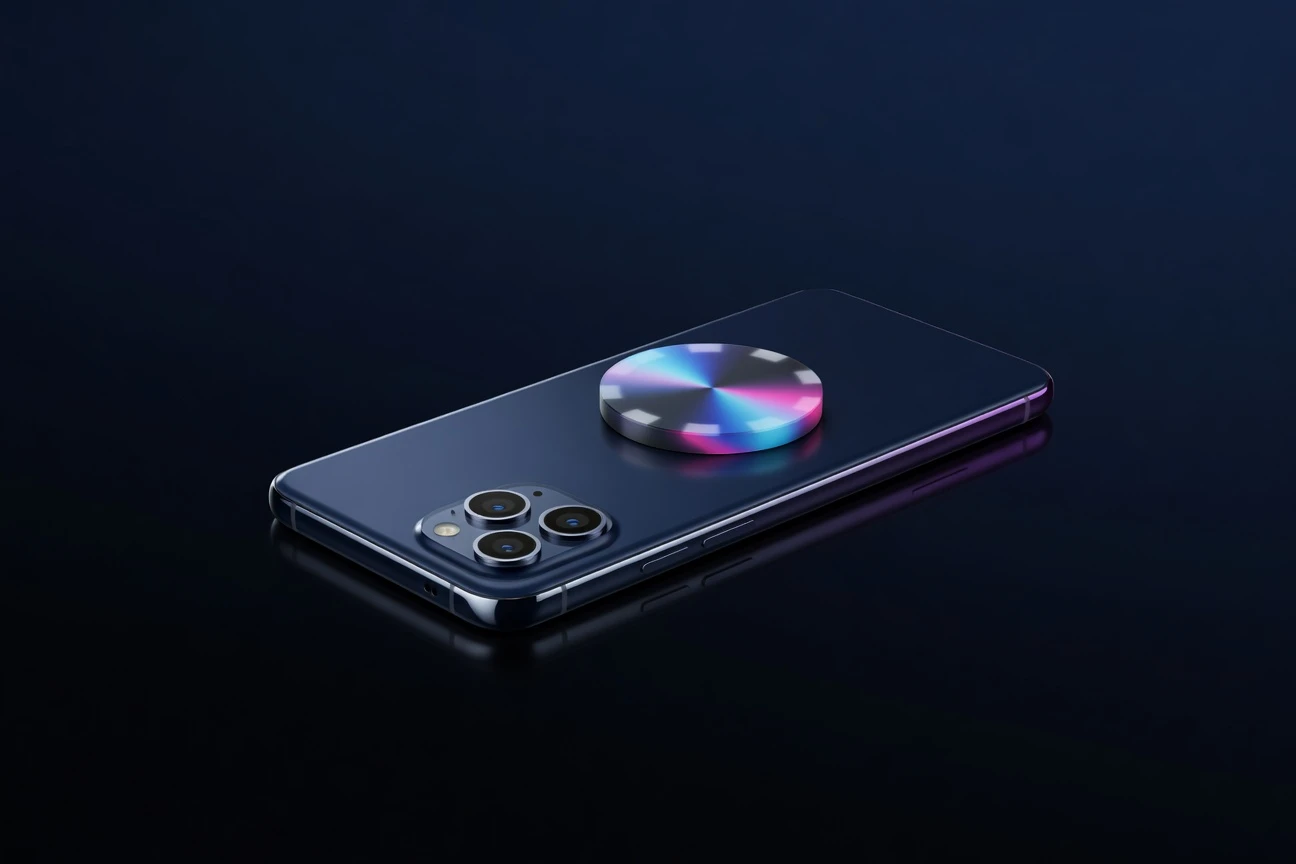
The phones carry a 200MP triple-camera setup confirmed by Oppo itself, with the Pro running on the MediaTek Dimensity 9500s and a 7,000mAh battery. The quieter unveil is the Bubble, a circular AMOLED screen that snaps to the back of the phone and turns the main rear cameras into a selfie rig.
The Lineup Set for the May 25 Stage
Oppo has confirmed five new SKUs at the event, the kind of broad reveal the company usually reserves for Find-series moments rather than its mid-range Reno cycle. The launch will go live at 6 p.m. China time, with retail availability beginning in the days after.
Here is what walks onto the stage:
- Oppo Reno16 Pro, a 6.78-inch LTPO flagship with the Dimensity 9500s and a 7,000mAh cell
- Oppo Reno16, a 6.31-inch sibling running a Dimensity 8500-series chip with five storage trims
- Oppo Pad 6, a 12.1-inch 3K tablet with the same Dimensity 9500s the Pro phone uses
- Oppo Enco Air 5s, semi-in-ear true-wireless buds rated at 48 hours of total playback
- Oppo Bubble, a magnetic circular display accessory that pairs with the rear camera
Pricing has not yet been disclosed. Reno-series pricing in China typically runs from CNY 2,499 (about $345) for the base model up to CNY 3,999 (about $552) for the top Pro trim, and Oppo has given no signal that the Reno16 cycle will break that band. Color options are unusually wide: the Pro will sell in Heartbeat, Dream Blue, and Moonlit Black, while the standard model adds a Galaxy Purple finish in place of Dream Blue.
Reno16 Pro Leads With a 7,000mAh Battery and Dimensity 9500s
The Pro is where Oppo concentrated the silicon. The 6.78-inch LTPO panel runs at 1.5K, paired with the Dimensity 9500s, a flagship-tier MediaTek part that already ships in the Find X9s phone Oppo released earlier this year. The headline is the battery: 7,000mAh inside a chassis the company still calls slim is one of the larger cells you can buy at this tier, and it sits alongside 80W wired and 50W wireless charging according to leaks tracked by Beebom’s specifications tracker for the Reno16 Pro.
Storage and memory split into three tiers, with a top-end 16GB/512GB option that lands the Pro in territory usually reserved for a Find-series device. The camera array on the Pro mirrors what the company already showed on its Find X9 Ultra dual-200MP system, dropping the secondary 200MP main and keeping a single high-resolution sensor plus a 50MP ultrawide and a 50MP periscope telephoto.
Here is how the two phones line up on the specs that matter for buyers comparing trims:
| Spec | Reno16 | Reno16 Pro |
|---|---|---|
| Display | 6.31-inch OLED, flat | 6.78-inch LTPO OLED |
| Chipset | Dimensity 8500-series | Dimensity 9500s |
| Rear camera | 200MP triple | 200MP triple |
| Battery | 6,700mAh (leaked) | 7,000mAh |
| Storage tiers | Five SKUs, up to 16GB/1TB | Three SKUs, up to 16GB/512GB |
| Colors | Heartbeat, Moonlit Black, Galaxy Purple | Heartbeat, Dream Blue, Moonlit Black |
The metal middle frame appears on both phones in Oppo’s teaser renders, a small but expensive change from the plastic rails the company used on parts of the Reno 14 lineup.
The Standard Reno16 Pulls Storage Up to a Terabyte
The non-Pro is the more interesting commercial product. Oppo has loaded it with five storage trims, including a 16GB/1TB top SKU that the Pro variant does not offer at all. That inversion is rare: the cheaper phone gets the bigger storage ceiling, but the Pro keeps the better chipset and battery.
The display is a flat 6.31-inch panel rather than the curved LTPO on the Pro, and the chipset drops to MediaTek’s Dimensity 8500-series part, which sits roughly two performance tiers below the 9500s. The 200MP triple camera carries over, which is the marketing decision that matters: a buyer can pick the smaller, cheaper phone and not lose the headline imaging feature.
Galaxy Purple is the standout color, replacing the Dream Blue option from the Pro lineup. Heartbeat and Moonlit Black appear on both phones, leaving the purple finish as the only Reno16-exclusive shade and the only one targeted explicitly at the China retail floor, where bright-finish phones still outsell muted ones in the sub-CNY 3,000 band.
Coming off the predecessor cycle, the lineup feels denser than what the company shipped with the Reno 15 series rollout earlier this year, which leaned on three phones rather than two-plus-accessories.
Oppo Bubble Is the Quiet Hardware Bet
The Bubble is the product on this launch sheet that nobody else in the Android market is selling. It is a small circular display, AMOLED, with a magnetic ring on the back that attaches to the phone’s rear panel. Used as a viewfinder, it lets a person frame a selfie shot with the main rear cameras, which are sharper than any front-facing sensor Oppo currently builds.
Key Bubble details Oppo has confirmed or that have surfaced in certification filings:
- 550mAh internal battery, with the company claiming “ultra-long” standby
- 10 meters of remote shooting range from the paired phone
- AMOLED circular panel that accepts both animated and static custom wallpapers
- Magnetic attachment compatible with any phone supporting MagSafe-style back rings
That last point is the one that converts this from a Reno16 accessory into something bigger. The Bubble does not need to ship inside the box of an Oppo phone, and Oppo has not said it will be locked to one. It is a standalone consumer-electronics SKU that Oppo can sell alongside Reno16, Find X-series phones, and in theory any iPhone with a MagSafe ring or any third-party Android case that adds magnets to a non-magnetic back.
The bet is that magnetic-accessory ecosystems, the segment Apple cracked open with MagSafe in 2020 and that Android brands have only chased in cases and chargers, are ready for an actual screen product. If the Bubble sells in any volume in China, expect copy products from Xiaomi and vivo within two quarters.
Pad 6 Pulls in Tablet-Grade Silicon at 10,420mAh
The Pad 6 is the second product on the May 25 sheet running the Dimensity 9500s, which makes it one of the few mainstream Android tablets shipping with a current-generation flagship MediaTek part rather than a recycled mid-tier chip. The display is a 12.1-inch LCD at 3K resolution, 144Hz, in a 7:5 aspect ratio that lines up better with productivity apps than with video.
The chassis numbers Oppo has confirmed:
- 5.99mm thickness, putting it in the same band as Apple’s iPad Pro
- 577g weight, light for a 12-inch slate
- 10,420mAh battery with 67W wired charging
- 16GB RAM and 512GB storage at the top trim
The competitive read is straightforward. At a 12.1-inch panel with flagship silicon and a 10,000mAh-class cell, the Pad 6 is positioned to undercut both Apple’s iPad Air refresh and Samsung’s Galaxy Tab S10 FE+ on price, while keeping pace on raw compute. Whether Oppo sells it outside China in volume is the open question; the Pad cycle has historically been a China-and-Southeast-Asia product, with global retail availability arriving months later or not at all.
Enco Air 5s Brings 48 Hours to the Semi-in-Ear Lineup
The Enco Air 5s is the smallest disclosure of the launch and the easiest to read. Oppo has confirmed a semi-in-ear form factor, meaning no silicone tip pushing into the ear canal, and a 48-hour total playback figure that counts the charging case.
That puts the buds in direct competition with Apple’s AirPods 4, which use a similar open-fit design, and prices the Enco Air 5s into territory where Oppo has historically been competitive: CNY 199 to CNY 399, or roughly $27 to $55, depending on whether active noise cancellation is included. The company has not yet confirmed ANC on the 5s.
What Oppo has not said about the Enco Air 5s is almost as telling as what it has. There is no driver-size disclosure, no Bluetooth-version mention, and no codec list, which together suggests the company is positioning these as a high-volume budget product rather than an audiophile flagship.
What May 25 Signals About Oppo’s Second Half
The May 25 spread is wider than a normal Reno launch and that is the actual story. Oppo is rolling out two phones, a flagship-class tablet, true-wireless earbuds, and a new category of phone accessory in a single window. Each product hits a different price band, and three of the five run the same Dimensity 9500s silicon, which is the cleanest signal yet that Oppo plans to lean on a single chipset family across phones, tablets, and possibly laptops for the rest of the year.
The Bubble carries the most upside if it works. A magnetic AMOLED display that sells as a standalone accessory opens a new product seam, and there is no Android maker positioned to ship a competing product before the end of the third quarter. If the device finds early traction in the Chinese gifting market, where small premium electronics move fast around mid-year retail events, expect Oppo to push the Bubble into Southeast Asia by August.
If retail demand for the Bubble disappoints, the phones still sell the cycle on their own and the accessory quietly disappears from product pages by year-end. Either way, the May 25 launch is the inflection point where we find out whether Oppo’s bet on a magnetic accessory ecosystem has any commercial weight, or whether the only thing the company shipped that day was another solid mid-range phone refresh.