The mobile world descends on Barcelona this week with a clear mission. Chinese smartphone titans are pivoting hard to artificial intelligence to survive a punishing memory chip shortage. Major players like Honor and Vivo are ready to dazzle crowds with robot phones and high end cameras to distract from rising hardware costs.
The stakes are higher than ever for Android manufacturers at this year’s event. As the annual trade show kicks off on March 2, tech enthusiasts are bracing for a glimpse into a future where phones do much more than just make calls.
Navigating the severe memory chip shortage
The global technology sector is currently wrestling with a significant supply chain bottleneck. A massive shift in manufacturing focus has left smartphone makers scrambling for essential components.
Major memory suppliers have diverted their production lines to create high bandwidth memory chips for AI servers. This strategic move has caused a shortage of standard memory chips used in consumer smartphones. The scarcity has driven up the cost of building handsets significantly over the last six months.
Smartphone brands are banking on advanced AI features to justify higher price tags for consumers.
Companies cannot simply pass these costs onto buyers without offering something new. They need a selling point that feels revolutionary rather than evolutionary. This economic pressure is the primary engine driving the sudden explosion of AI agents and robotics in the mobile space this year.
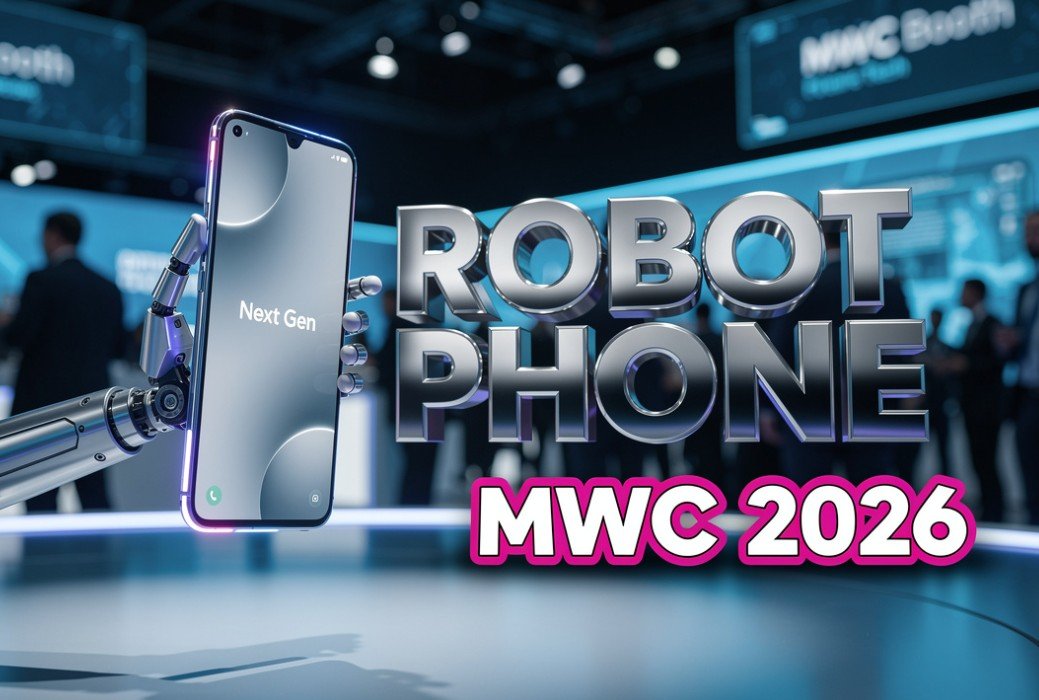
Honor unveils futuristic robot phone concepts
Honor is poised to steal the spotlight with audacious new hardware. The independent brand is set to reveal details about its experimental “robot phone” on the eve of the main event.
This concept device pushes the boundaries of what a phone looks like. Leaks suggest the handset features a fold out camera attached to a gimbal system. This allows the phone to track subjects and record video autonomously without a human cameraman.
The company is also expanding beyond phones into the humanoid sector.
Honor will showcase its first humanoid robot during its Sunday keynote. This follows their initial announcement last May regarding a serious entry into the robotics space. The goal is to create a seamless ecosystem where your phone acts as the brain for various robotic assistants.
Alongside these futuristic concepts, the company is updating its core lineup.
Honor Magic V6 Key Specifications:
- Hinge: Reengineered titanium alloy for durability.
- AI Core: Dedicated neural processing unit for on-device tasks.
- Display: Brighter OLED panels with reduced power consumption.
- Software: New MagicOS with predictive intent capabilities.
Vivo targets global premium market
Vivo is taking a different approach to win over the international crowd. The world’s fourth largest smartphone maker is using MWC 2026 to launch its flagship X300 Ultra.
This device is laser focused on photography enthusiasts. While competitors chase robotics, Vivo is doubling down on imaging supremacy. The X300 Ultra features a massive sensor array designed to replace professional cameras for most users.
The X300 Ultra represents the firm’s most aggressive push yet into the western premium market.
High end photography requires massive memory buffers. Vivo has reportedly secured a strategic supply of fast RAM chips to ensure their camera performance does not suffer during the shortage. This gives them a unique edge against rivals who are struggling to secure parts.
Robots and AI take center stage
The trend at MWC 2026 is unmistakably shifting away from traditional screen updates. The mobile industry is morphing into a broader “smart device” industry.
Consumers are no longer impressed by slightly faster processors or thinner bezels. They want devices that can think, act, and assist them in the physical world. This demand is why we are seeing such a heavy emphasis on experimental robots and AI agents.
This pivot serves a dual purpose for these companies.
First, it captures the imagination of the press and public. Second, it allows brands to collect valuable training data for their AI models. The more these devices interact with the real world, the smarter their underlying algorithms become.
The coming days in Barcelona will determine if these bets pay off.
The memory crunch is a formidable obstacle for the entire industry. However, the innovation on display proves that pressure often creates diamonds. Chinese manufacturers are not just surviving this crisis; they are using it to reinvent what a smartphone company can be.
If these AI gambles succeed, the phone in your pocket might soon have a body of its own.