Global shipping through the Strait of Hormuz, one of the world’s most critical oil and gas trade routes, has plunged dramatically as the ongoing conflict between the United States, Israel and Iran heightens risk for commercial vessels. Shipowners are choosing to anchor or reroute instead of transiting a waterway that normally carries about 20 percent of the world’s crude and liquefied natural gas and where recent military escalation has raised fears of direct attacks on shipping. The consequences are now rippling through global energy markets and supply chains.
Sharp Drop in Tanker Traffic Through Hormuz
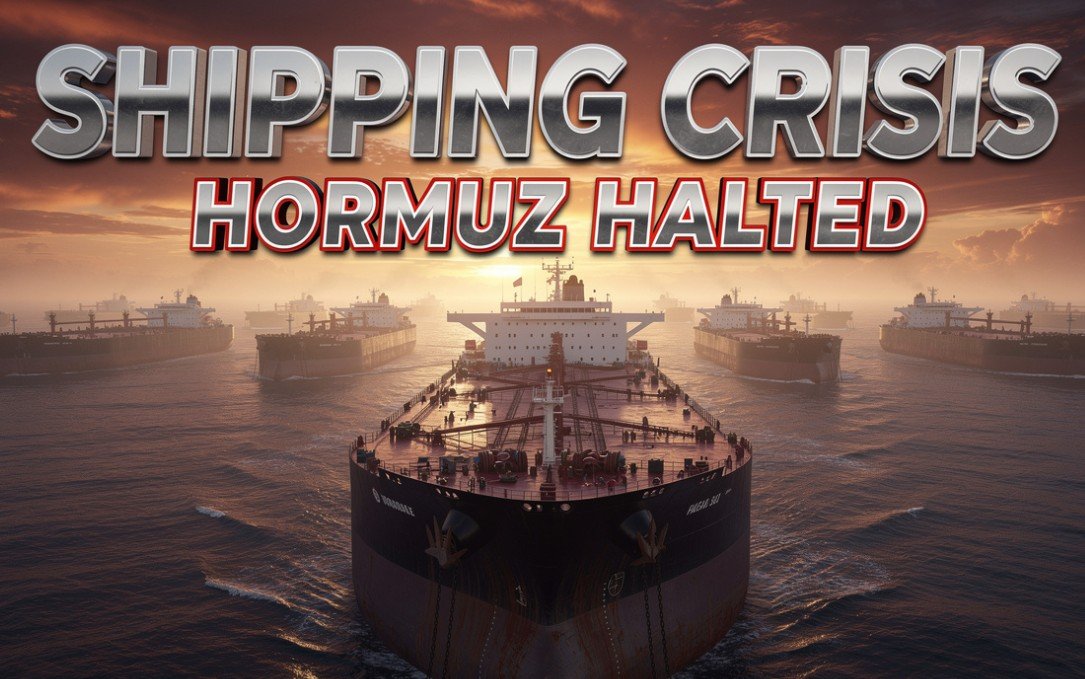
Data from vessel tracking firms and maritime intelligence shows an unmistakable drop in shipping activity through the Strait of Hormuz. On one of the most recent reporting days, at least 150 tankers carrying oil and LNG were found anchored in Gulf waters instead of moving through the passage, a clear sign that commercial operators are pausing movement amid the turmoil.
Normally, around 107 cargo‑carrying vessels transit the strait each day, but recent days have seen transits drop by roughly 40 to 70 percent as some of the busiest shipping lanes stagnate.
A key reason for the slowdown is that major crude and product tankers are no longer navigating the main shipping channels within Hormuz, according to energy and shipping trackers.
Even cargo ships beyond energy are affected, with many vessels waiting near anchorages off the United Arab Emirates, Kuwait and Oman.
Rising Risk and Warnings from Iran and Maritime Authorities
The downturn in traffic is tied directly to escalating hostilities in the region.
In recent days, Iran’s Revolutionary Guard and Iranian state‑linked media broadcast warnings that passage through the Strait of Hormuz is unsafe or effectively closed to shipping after joint U.S. and Israeli strikes on Iranian territory.
While there has been no formal legal closure issued by international authority, radio warnings, naval messaging and intercepted hailings to commercial vessels have created the impression of a de facto shutdown in parts of the strait.
Shipping operators have reacted accordingly. Japan’s NYK Line and Mitsui O.S.K. Lines said they have suspended all transits through Hormuz, pausing vessels already en route and directing others to anchor in safer waters.
Other major carriers and energy traders have followed suit, with some Mitsubishi, Hapag‑Lloyd and Maersk linked services halting voyages in the region amid rising concerns and operational risk.
Insurance markets have also tightened. War‑risk insurance coverage on voyages through the Persian Gulf and Hormuz has surged or been withdrawn in places, making certain voyages uneconomical.
Safety Incidents Heighten Fear and Disruption
Part of the anxiety on the water stems from real incidents involving commercial ships.
Recent reports show at least one oil tanker was hit near Oman’s coast, injuring crew and prompting evacuations, and multiple vessels have been damaged in related strikes.
These attacks, coupled with increased military activity, have made maritime operations riskier, pushing shipowners and traders to avoid the strait entirely or seek alternative shipping routes.
Officials in global maritime trade centers have noted the situation is volatile, with UK Maritime Trade Operations describing significant military activity near the strait that even led to incidents reported just offshore.
Economic Consequences: Energy and Trade at Stake
The stagnation of traffic through Hormuz has immediate commercial consequences.
Energy markets reacted quickly. Oil prices surged sharply in early March, with Brent crude rising over 13 percent in some sessions, reaching multi‑month highs as traders priced in the risk of sustained disruptions to exports through the strait.
Analysts warn that if traffic remains curtailed, oil prices could climb even higher, potentially surpassing $100 per barrel in a prolonged disruption.
Natural gas markets are similarly vulnerable given that significant volumes of LNG from Qatar and other Gulf producers depend on Hormuz passage for export.
Beyond energy, container and bulk cargo shipping are also feeling pressure, with delays and congestion building at ports as supply chains adjust to the operating stress caused by the crisis.
Strategic Importance of Hormuz in Global Trade
The Strait of Hormuz is a strategic choke point. At its narrowest, it is about 24 miles wide and serves as the gateway between the Persian Gulf and Arabian Sea through the Gulf of Oman. Every day, it facilitates the movement of roughly 15 to 20 million barrels of oil and large volumes of LNG from producers such as Saudi Arabia, the United Arab Emirates, Iraq, Kuwait and Qatar.
Because so much energy supply must pass through this single waterway, even partial disruptions can have outsized effects on global markets and security perceptions.
Today’s slowdown is unlike typical market stress. It is not a temporary weather event or localized port closure. It stems from active conflict and military threats, forcing private and national shipping entities to rethink how they move cargo in one of the most sensitive maritime regions on the planet.
Rising Global Response and Monitoring
International bodies and energy agencies are closely watching.
The International Energy Agency said it is monitoring Middle East developments and engaging with member governments about potential impacts on oil and gas markets.
Authorities like the U.S. Navy‑led Joint Maritime Information Center continue to issue cautious advisories, recommending vessels expect increased naval presence and communication hailings, and advising heightened awareness when near the strait.
Despite guidance that the strait remains legally open, the set of operational warnings, naval messaging and hostile incidents are effectively creating a maritime environment where commercial ships feel unsafe.
The Path Ahead: Ripple Effects Across Markets and Miles
Even with global markets adjusting production, redirecting flows, and analyzing supply risks, the situation in the Strait of Hormuz remains fluid.
If traffic does not resume, the need for alternative routes around Africa’s Cape of Good Hope or expanded reliance on pipelines will grow, adding time and cost to shipments.
Long term disruption could reshape cost structures across energy supply chains, deepen inflationary pressure in fuel costs, and accelerate geopolitical efforts to protect trade routes.
For now, watching how global powers, traders, insurers and naval forces navigate this moment will shape not just the daily movement of tankers, but the broader stability of global energy and shipping systems.