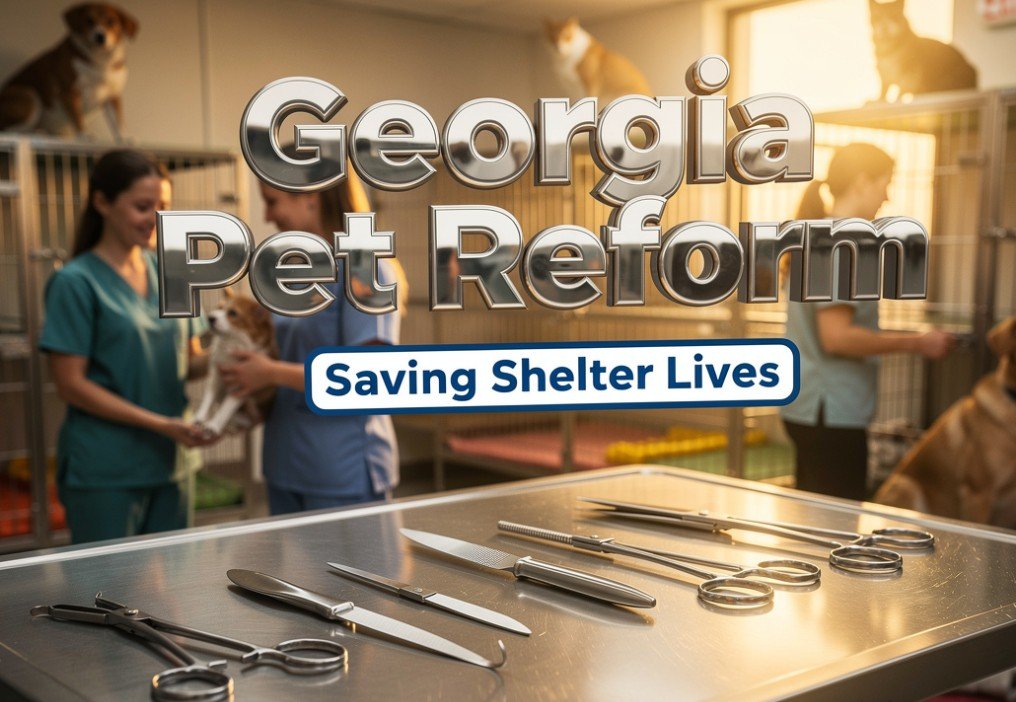
Georgia is drawing national attention with fresh efforts to tackle a long-standing pet overpopulation crisis that has filled shelters and led to thousands of healthy animals being euthanized each year. With World Spay Day on February 24 and ongoing legislative action in the state capital, animal advocates and lawmakers are pushing a multi-pronged strategy aimed at prevention rather than temporary fixes that merely shift the burden.
At the heart of the movement are new laws, greater access to spay and neuter services, and public education campaigns that aim to make Georgia a model for other states struggling with similar challenges.
New Laws Tie Funding to Long-Term Care and Sterilization
This year, Georgia lawmakers passed several pieces of legislation designed specifically to reduce the number of unwanted companion animals and improve shelter conditions statewide.
One of the most significant is Senate Bill 20, championed by Republican Senator Kay Kirkpatrick. The law creates a loan repayment incentive of up to $75,000 for veterinarians who commit to shelter medicine or nonprofit sterilization clinics for at least three years. This is only the second state in the nation to offer this type of support, with Arizona being the first. The goal is to address veterinarian shortages in critical areas of animal care that impact overpopulation.
Advocates say that attracting more vets into shelter and sterilization services will allow more high-quality, high-volume spay and neuter procedures, which are key to preventing unwanted litters that overcrowd shelters. Veterinary scarcity has long been cited as a barrier to these services in underserved communities across Georgia.
Another major development is House Bill 331, which makes it illegal to sell or transfer dogs, cats, or rabbits in unregulated public spaces like parking lots, sidewalks, parks, and flea markets. Instead, pets must be adopted through licensed shelters or passed on in controlled environments. Supporters argue this law will encourage people to adopt from shelters and think twice before breeding and selling animals informally, a practice that often leads to unplanned litters and more animals entering the shelter system.
These measures come on the heels of Senate Bill 410, signed in 2024, which allows out-of-state veterinarians and vet techs to receive a temporary six-month Georgia license to work in shelter medicine or nonprofit sterilization. This flexibility helps shelters bring in expert volunteers for specialized training and spay-neuter events without the hurdles of full re-licensing. Advocates say this boosts capacity during peak seasons when shelters are most crowded.
Shelters Still Under Pressure Despite Growth in Services
Despite new laws and the start of vaccination and sterilization campaigns, shelters in Georgia are still grappling with overcrowding. Nonprofit groups and local humane societies report an overflow of cats and dogs, especially as spring marks the beginning of “kitten season” when feline births can surge.
According to data compiled by Fix Georgia Pets, more than 27,000 dogs and cats were euthanized in Georgia shelters in recent years due to lack of space and homes. This puts Georgia consistently among the states with high euthanasia rates for shelter animals.
The pressure is felt by organizations like the Humane Society of Forsyth County, which operates as a no-kill shelter, meaning animals stay until they are adopted, and by grassroots rescue groups that transport at-risk pets from crowded municipal facilities to foster homes.
Many shelters also provide low-cost spay and neuter certificates to local pet owners to encourage sterilization before breeding becomes unmanageable, a practice that can reduce future intake dramatically. In Hart County and Northeast Georgia, shelters are actively promoting these programs as a way to ease the burden on their facilities.
The Role of Nonprofits and Community Support
Nonprofits have stepped into the gap left by stretched government resources. Groups like Fix Georgia Pets are raising funds and awarding grants to local partners offering spay and neuter services, particularly targeting underserved areas. These efforts are intended to prevent unwanted births before they contribute to shelter crowding.
Similarly, organizations like SAFE Saving Animals From Euthanasia have performed tens of thousands of surgeries, helping dogs and cats stay in loving homes rather than entering shelters.
Another creative initiative comes from the Georgia Pet Foundation, which uses proceeds from specialty license plates to fund spay and neuter grants across the state, helping both low-income pet owners and shelters cover costs for life-saving surgeries.
While the nonprofit community fuels the fight against overpopulation with boots on the ground, animal welfare advocates stress that systemic solutions are required for long-lasting success.
Why Prevention Matters More Than Shelter Capacity
Experts and policymakers alike emphasize that adoption alone cannot solve overpopulation. While no-kill shelters are vital, they can become full and start turning away animals if births continue unchecked. Spaying and neutering pets before they have litters is regarded as the most effective way to reduce future shelter intake.
As World Spay Day highlights globally, sterilization not only prevents overpopulation but also offers health benefits for pets, such as reducing the risk of certain cancers and unwanted behaviors like roaming and fighting.
In Georgia, the emphasis on prevention and support for sterilization services marks a shift from reactive management toward proactive strategy—one that advocates hope will serve as a blueprint for other states facing similar animal welfare challenges.
Ultimately, reducing euthanasia and overcrowding comes down to changing the way communities think about pet ownership and care.
As Georgia continues to expand training, legislative support, and community outreach, residents are encouraged to get their pets spayed or neutered and consider adoption to make a real difference. What changes would you like to see in your community to help reduce euthanasia and support animal welfare more effectively? Use hashtag #WorldSpayDay in your comments and share your thoughts with others to help spark conversation and action.