Pilots are facing a blinding threat in the skies that is escalating at an alarming rate. With laser strikes on aircraft hitting record highs, the Air Force is finally fighting back. A specialized team at Robins Air Force Base has rolled out advanced eyewear designed to shield crews from these dangerous beams. This new technology promises to keep eyes safe during critical missions.
Laser Strikes on Aircraft Are Rising Fast
The skies are becoming increasingly hostile for pilots, not from enemy fire, but from handheld devices on the ground. The Federal Aviation Administration reported a staggering 13,304 laser strikes in 2023 alone. This marks a 41 percent increase over previous years, highlighting a dangerous trend that shows no signs of slowing down.
These incidents are far more than just a distraction in the cockpit.
A laser beam hitting a windscreen can obscure the pilot’s vision during takeoff or landing, the most dangerous phases of flight.
Master Sgt. Bridgette Brzezinski, a bioenvironmental engineering flight chief, warns that the consequences are severe. She notes that strikes can cause temporary flash blindness and even permanent retinal injuries. The psychological impact is also significant, as pilots must maintain composure while suddenly losing visual cues.
To deter these attacks, federal law is strict. Aiming a laser at an aircraft is a federal crime that carries a penalty of up to five years in prison. Offenders also face fines of up to $250,000, along with additional civil penalties from the FAA.
New Block 3 Eyewear Offers Better Protection
The Air Force Life Cycle Management Center is tackling this problem head-on with a new defense system.
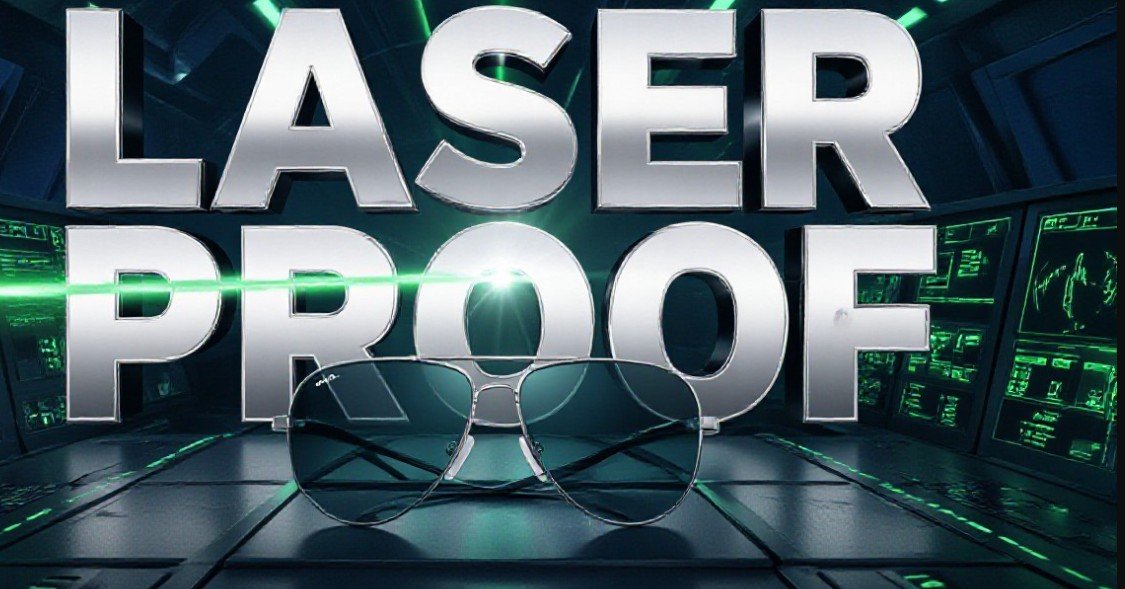
Based at Wright-Patterson Air Force Base but operating support teams at Robins, the division has developed the “Block 3” family of products. This is part of the Aircrew Laser Eye Protection (ALEP) program. The program upgrades protective gear every few years to keep pace with evolving laser technology.
Kevin Frost and Eric Miltner serve as the key technical experts pushing this rollout forward. They are currently fielding this new kit to replace older models. The Block 3 system is not just a single pair of glasses.
The Block 3 protection kit includes:
- Day Spectacles: For bright sunlight conditions.
- Night Spectacles: Optimized for low-light visibility.
- Ballistics Spectacles: Offering physical debris protection.
- Specialized Visors: Designed to work seamlessly with night vision goggles.
This modular approach ensures that aircrews are protected regardless of the time of day or the specific mission requirements.
Advanced Tech Filters Light Without Hiding the View
The biggest challenge in creating laser protection is blocking the bad light while letting the good light through.
Older versions of protective eyewear often darkened the view too much or distorted colors. This made it difficult for pilots to read instrument panels or see runway lights. The Block 3 lenses solve this engineering puzzle with a breakthrough in dye technology.
Frost and Miltner explain that the new dye filters a much wider range of harmful wavelengths.
This innovation allows more natural light to pass through the lens. Pilots can now see clearly inside and outside the cockpit while remaining safe from multiple types of laser pointers. It balances safety with the visual clarity needed to fly a multimillion-dollar aircraft.
Pilots Test the Gear to Ensure Mission Safety
Technology is useless if it is too complicated to use in a crisis.
The support team travels directly to air bases to work with the technicians and airmen who will use the gear daily. They validate the technical manuals and ensure the equipment fits comfortably with helmets and other flight gear.
Miltner notes that they watch airmen walk through the instructions without assistance. This “hands-off” observation proves whether the training materials are clear and effective.
Frost emphasizes that seeing the gear in action gives their work deep purpose.
Why this field work matters:
- Immediate Feedback: Engineers fix design flaws instantly.
- Safety Verification: Ensures gear works before a real attack.
- User Confidence: Pilots trust gear they helped test.
Knowing that thousands of airmen rely on this equipment drives the team to perfection. They understand that a single pair of glasses could be the difference between a safe landing and a catastrophe.
In a world where threats against aircraft are evolving, the Air Force is proving it can adapt quickly. The Block 3 eyewear represents a significant leap forward in pilot safety, combining high-tech science with practical design. As these kits reach more squadrons, aircrews can fly with the confidence that their vision is protected.
What do you think about the rising penalties for laser strikes? Share your thoughts in the comments or join the conversation on social media using #LaserSafety.