Your trusted smartphone might be the biggest security risk in your life right now. A massive portion of Android users are unknowingly holding a digital time bomb as Google and major manufacturers shift their focus to newer operating systems. This leaves older devices wide open to hackers and malicious software without any defense.
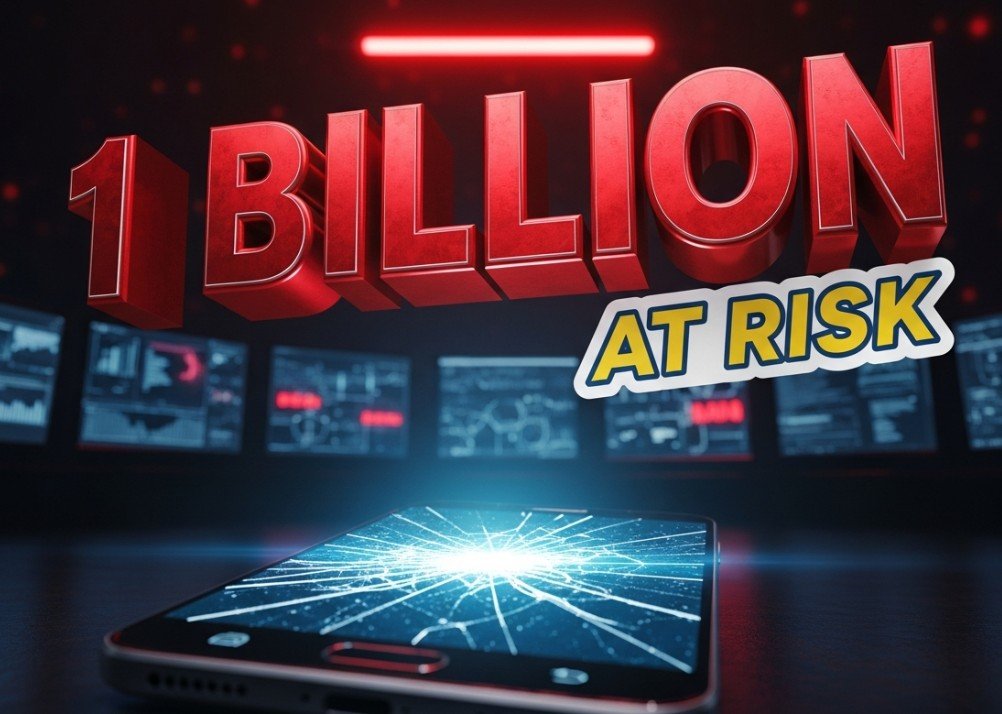
New data reveals a startling reality for the Android ecosystem. Over one billion smartphones currently active around the world are no longer receiving vital security updates. These devices are effectively frozen in time. They cannot fight off modern cyber threats. This situation exposes users to identity theft, financial fraud, and invasive spyware.
The Hidden Danger in Your Pocket
The core of this crisis lies in how Android updates work. Unlike a computer that you can update for many years, smartphones have a fixed shelf life. Once a manufacturer stops sending security patches, that phone becomes a playground for hackers. Recent analysis indicates that devices running Android 11 or older are now in the danger zone.
Security experts have raised the alarm because these outdated phones are still in use every day. People use them for banking, social media, and storing private photos. The hardware works perfectly fine, so users see no reason to upgrade. However, the software defense walls have crumbled.
The scale of this vulnerability is massive.
- 1 Billion+ Devices: Estimated number of phones receiving no security support.
- High Risk: Banking trojans and ransomware target these specific legacy versions.
- No Warning: Most users never receive a notification that their phone is now unsafe.
When a new vulnerability is discovered today, Google fixes it for Android 12, 13, and 14. If you are on an older version, that door remains unlocked forever.
Why Your Phone Is Left Behind
You might wonder why this happens to Android and not as often to other platforms. The answer is fragmentation. This is a fancy word for a messy supply chain. Google creates the Android software, but it does not control when it gets to your phone unless you own a Pixel device.
Companies like Samsung, Motorola, Xiaomi, and Oppo take the Android software and modify it. This process takes time and money. Eventually, these companies decide it is too expensive to keep updating older models. They want you to buy a new phone instead.
Current Support Landscape:
| Brand | Standard Support Window | Risk Level for 3+ Year Old Phones |
|---|---|---|
| Google Pixel | 7 Years (Newer models) | Low |
| Samsung | 4-5 Years (Flagships) | Low to Medium |
| Budget Brands | 1-2 Years | Critical |
This system creates a gap. A phone you bought in 2020 might have stopped getting updates in 2022. You are still using it in 2024, but you have been exposed for two years. The gap widens every single day.
The Gap Between Android and Apple
The difference between Android and its main competitor is stark. Apple controls both the hardware and the software for the iPhone. This allows them to push updates to almost every phone they have ever made that is capable of running them.
Data shows that a vast majority of iPhone users are on the latest version of iOS. Even iPhones launched six years ago often run the same secure software as the newest model. This keeps the user base safe from mass attacks.
Key Differences:
- Uniformity: Apple updates hit everyone at once.
- Delay: Android updates can take months to reach users, even on supported phones.
- Longevity: iPhones generally remain secure for 6 to 7 years. Android averages 3 to 4 years.
This disparity forces Android users to upgrade their hardware much more frequently to maintain the same level of security. It is a costly reality for consumers who prefer the Android ecosystem.
How to Check If You Are Safe
You need to know where you stand right now. Do not wait for a warning pop-up because it will never come. You must check your status manually to see if you need to replace your device.
Follow these simple steps:
- Open your Settings app.
- Scroll down and tap on About Phone.
- Look for Android Version.
If your version number is Android 11 or lower, you are likely not receiving security patches. If you are on Android 12, you might be safe for now, but support varies by manufacturer.
There is a small safety net.
Google has a feature called Google Play Protect. This is separate from system updates. It scans your apps for malware and can stop some bad installs. It continues to work on older phones. However, it cannot stop deep system-level attacks that exploit the operating system itself. It is a band-aid, not a cure.
If your phone is outdated, avoid banking apps. Do not download files from unknown websites. The best solution is to upgrade to a supported device to ensure your digital life remains private.