For over a century, the Cherokee Rose has served as a floral symbol for the state of Georgia. Children learn about it in school and gardeners see its white petals along roadsides every spring.
But this long standing tradition might soon come to an end. Lawmakers in the state are moving forward with a plan to strip the Cherokee Rose of its official title.
The reason behind this historic shift is not just about aesthetics or politics. It turns out the state flower is actually an aggressive invader that threatens the local environment.
A Legislative Push for Change
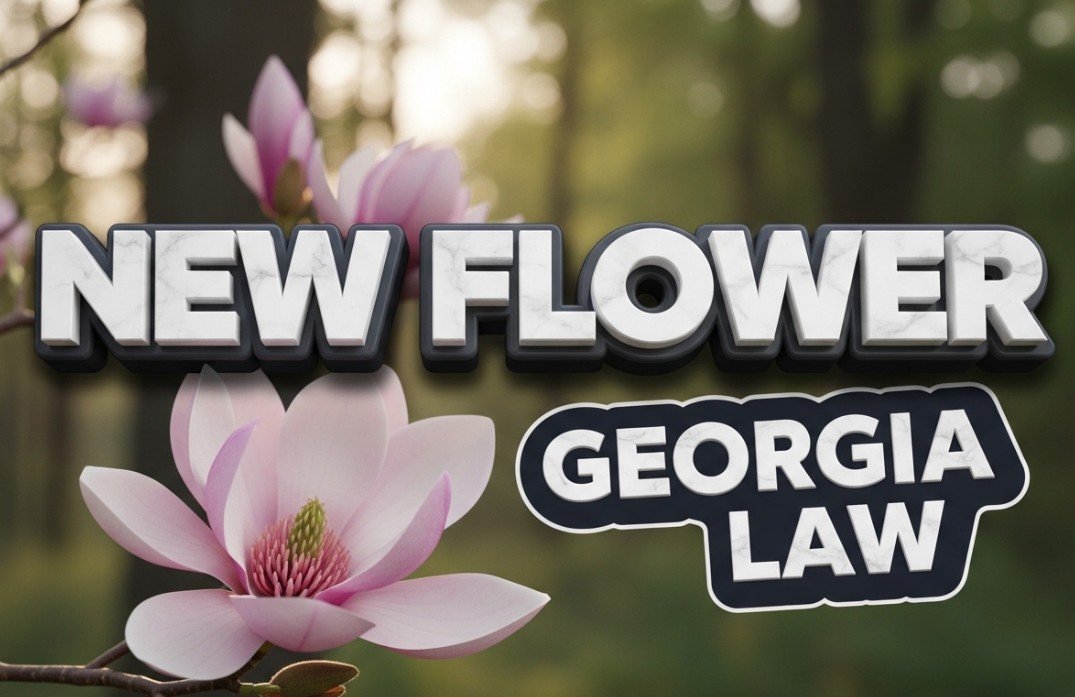
State Representative Deborah Silcox officially started the conversation to replace the state symbol. She introduced House Bill 955 to the Georgia legislature. This bill seeks to remove the Cherokee Rose and crown the Sweetbay Magnolia as the new floral ambassador.
This decision did not happen overnight. The move comes after years of warnings from environmental experts and botanists. They argue that the current state flower does more harm than good to the distinctive ecosystem of the South.
Representative Silcox wants a symbol that truly represents the state. She believes the official flower should be something that belongs in the local soil naturally.
The bill has sparked conversations across the state. Garden clubs and conservation groups are weighing in on the debate. Many support the change because it highlights the importance of native gardening.
The Problem With the Cherokee Rose
Most people assume the Cherokee Rose is native to Georgia because of its name. The name links the flower to the Cherokee people and the tragic history of the Trail of Tears.
However, the Cherokee Rose is scientifically known as Rosa laevigata and it is native to China and Vietnam.
It arrived in the United States in the late 1700s. The plant quickly escaped gardens and spread into the wild. It grows rapidly and creates dense thickets that choke out other plants.
The Georgia Invasive Species Council now lists it as an invasive threat.
“Invasive plants are the silent destroyers of our local habitats. They take over resources and leave nothing for the wildlife that depends on native flora.”
The plant spreads aggressively through seeds and root suckers. Once it takes root in a forest or a field, it is incredibly difficult to remove. Its sharp thorns make it a nuisance for hikers and farmers alike.
Keeping an invasive species as a state symbol sends the wrong message. It suggests that the state supports plants that damage its own natural heritage.
Enter the Sweetbay Magnolia
The proposed replacement is the Sweetbay Magnolia. This tree is a true Southern native that has grown in Georgia soil for thousands of years.
It is scientifically known as Magnolia virginiana. It features creamy white flowers that carry a sweet and lemony vanilla scent.
Ecologists love this choice because it is a biological powerhouse for local wildlife.
The Sweetbay Magnolia serves as a host plant for the Eastern Tiger Swallowtail butterfly. This butterfly is actually the official state butterfly of Georgia. Pairing the state flower with the state butterfly makes logical sense to conservationists.
Here is how the two flowers compare:
| Feature | Cherokee Rose | Sweetbay Magnolia |
|---|---|---|
| Origin | China / Vietnam | Native to Southeastern US |
| Growth Habit | Aggressive Vine | Small to Medium Tree |
| Ecological Impact | Chokes native plants | Feeds pollinators & birds |
| Lifespan | Perennial | Perennial / Evergreen |
| Status | Invasive Species | Native Benefactor |
The Sweetbay Magnolia produces bright red seeds in the fall. These seeds provide a crucial food source for turkeys, quail, and songbirds. The tree supports the food web rather than destroying it.
Why Native Plants Matter Now
This legislative change highlights a growing trend in American gardening. More people are realizing the vital role native plants play in our survival.
Replacing a state symbol is a huge educational opportunity. It teaches residents that what we plant in our yards matters to the broader environment.
Native plants like the Sweetbay Magnolia require less water and no fertilizer once established.
They are adapted to the humid climate and local soil conditions of Georgia. This means homeowners can save money and time while helping the planet.
Imported plants often struggle to survive without heavy chemical intervention. Or in the case of the Cherokee Rose, they survive too well and become pests.
Benefits of the Sweetbay Magnolia:
- Aromatic Blooms: The flowers release a strong, pleasant fragrance in late spring and early summer.
- Versatile Size: It fits well in smaller urban yards or larger rural landscapes.
- Weather Resistant: It handles wet soil better than many other trees, making it perfect for rain gardens.
- Wildlife Hub: It attracts a wide variety of native bees and beetles that are essential for pollination.
What This Means for Residents
If House Bill 955 passes, the change will likely be gradual in the public mind. Textbooks and state websites will need updates.
But for the average resident, the shift is an invitation to get planting. Local nurseries are already stocking up on Sweetbay Magnolias in anticipation of the demand.
You can find these trees at many garden centers across the state. They are generally easy to plant and maintain.
Experts recommend planting them in the fall or early spring to give their roots time to settle.
This bill serves as a call to action for everyone. It asks citizens to look at their own gardens with fresh eyes. It challenges us to choose plants that give back to nature rather than taking from it.
The Cherokee Rose will remain a part of history. But the Sweetbay Magnolia represents a greener and more sustainable future for Georgia.
Changing a state flower after 100 years is a bold move. It shows that tradition can evolve when new information comes to light.
This decision prioritizes the health of the land over the nostalgia of the past. It ensures that the state symbol is something every Georgian can plant with pride.
Georgia is taking a step to align its symbols with its science.