Researchers at Georgia State University have discovered that certain gut bacteria can protect mice from severe bacterial pneumonia after an influenza A infection. The study, published on January 12, 2026, in the journal Science Immunology, shows how these bacteria boost lung defenses and could offer clues for fighting human flu complications.
Groundbreaking Discovery in Mouse Models
This research focused on mice infected with influenza A virus, a common cause of flu outbreaks. Scientists wanted to learn why some animals resist deadly follow-up infections while others do not.
They tested segmented filamentous bacteria, or SFB, which live in the gut of some mammals. Results showed mice with SFB fought off bacterial pneumonia much better after flu exposure.
The team exposed mice to influenza A, then added harmful bacteria like Streptococcus pneumoniae, Haemophilus influenzae, or Staphylococcus aureus. These are germs that often cause serious lung issues in people too.
Mice without SFB suffered high death rates from these secondary infections. But those with SFB survived at much higher rates, pointing to a strong protective effect.
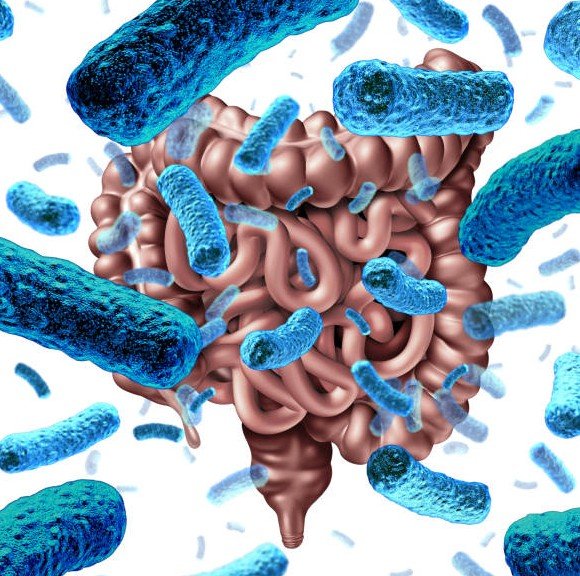
How Gut Bacteria Boost Lung Defense
SFB stays in the intestine but influences far-off body parts like the lungs. The study revealed it reprograms immune cells called alveolar macrophages.
These macrophages normally weaken during flu, leaving lungs open to bacteria. SFB keeps them strong through epigenetic changes, which are like switches that alter cell behavior without changing DNA.
This process helps macrophages clear out invading bacteria effectively. Researchers noted that SFB triggers signals that travel from gut to lungs, maintaining a robust immune response.
In experiments, mice with SFB showed lower bacterial loads in their lungs after flu. This protection held even against highly lethal doses of bacteria.
The findings build on earlier work showing gut microbes affect overall immunity. For instance, during the 2026 flu season, with H3N2 subclade K viruses spreading, experts highlight how personal microbiomes might influence outcomes.
Potential Impact on Human Flu Seasons
While the study used mice, it raises questions about human health. Flu pandemics often kill through secondary infections, not just the virus itself.
In people, gut bacteria vary widely due to diet, antibiotics, and lifestyle. This could explain why some folks get sicker from flu complications.
Experts suggest probiotics or diet changes might one day mimic SFB’s benefits. But human trials are needed to confirm if similar protections apply.
Recent data from the CDC shows over 250,000 flu-related hospital stays in the US during early 2026. Bacterial pneumonia accounts for many of these cases, making this research timely.
- Key risk factors for flu complications include age over 65, weakened immune systems, and chronic conditions like diabetes.
- Healthy gut habits, such as eating fiber-rich foods, may support beneficial bacteria.
- Avoiding unnecessary antibiotics helps preserve gut diversity.
Broader Context in Respiratory Research
This work ties into ongoing studies on the gut-lung axis. Past research from 2023 and 2024 showed gut microbes influence responses to viruses like COVID-19 and RSV.
For example, a 2025 review in Frontiers journal linked gut health to better outcomes in respiratory diseases. It stressed how microbes balance immune responses.
In 2026, with rising cases of flu, COVID-19, and RSV, scientists push for vaccines that consider microbiome effects. Natural immunity from prior shots also plays a role, as noted by health officials.
The Georgia State team plans more tests to see if SFB-like bacteria work in other animals. They aim to uncover exact mechanisms for possible therapies.
| Aspect | Details |
|---|---|
| Study Focus | Protection from secondary bacterial pneumonia after influenza A |
| Key Bacteria | Segmented filamentous bacteria (SFB) |
| Protected Against | Streptococcus pneumoniae, Haemophilus influenzae, Staphylococcus aureus |
| Mechanism | Epigenetic reprogramming of alveolar macrophages |
| Publication Date | January 12, 2026 |
| Potential Applications | Insights for human flu treatments and probiotics |
What This Means for Future Health Strategies
The discovery opens doors for new ways to fight flu seasons. By targeting gut health, doctors might reduce deaths from complications.
Logical next steps include checking if humans have similar bacteria that offer protection. Diets promoting SFB could become part of flu prevention plans.
As flu cases climb in 2026, this study reminds us of the body’s hidden allies. It combines animal research with real-world trends, like the current H3N2 surge.
Share your thoughts on how gut health impacts your flu experiences in the comments below. If this article helped you understand the topic better, pass it along to friends and family for more awareness.