Georgia is facing a sharp rise in flu cases this winter, with hospitalizations and deaths climbing higher than last year. Health officials report over 2,000 hospitalizations and 46 deaths since October, driven by holiday gatherings and a potent new strain.
Rising Numbers Signal Tough Season
State health data shows a big jump in flu activity compared to the previous year. Hospitalizations have increased by nearly 55 percent, while outbreaks have skyrocketed by 500 percent. Last year at this time, Georgia recorded zero flu related deaths and just 169 hospitalizations with two major outbreaks. This season, the toll is much heavier, with 85 outbreaks reported so far.
Experts point to winter weather and social events as key factors. Family reunions during holidays and kids returning to school create perfect conditions for the virus to spread. One doctor noted that college students coming home add to the mix, turning homes into hotspots for infection.
The flu season officially kicks off in early October and can stretch into May. Small outbreaks even pop up in summer months, but winter remains the peak time for severe cases.
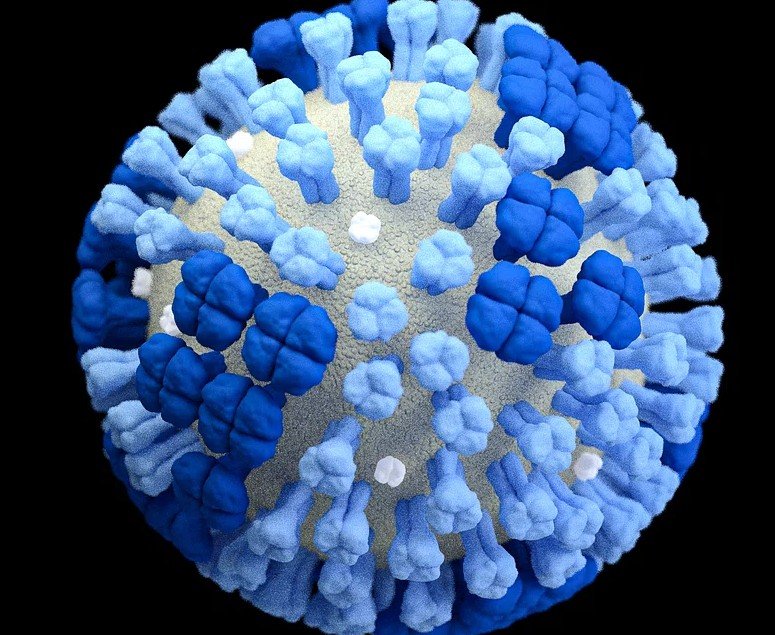
Impact on Hospitals and Communities
Hospitals across Georgia are feeling the strain from this uptick. In metro Atlanta alone, more than 500 people were hospitalized by late December. Statewide, the numbers paint a grim picture, with hundreds admitted for flu complications.
Health leaders urge caution as activity levels rise. The Centers for Disease Control and Prevention reports elevated flu indicators nationwide, with Georgia among the states seeing sustained increases. This comes amid warnings of a new influenza A variant, subclade K, which is spreading quickly and causing more severe symptoms.
Communities are responding with vaccination drives and public awareness campaigns. Local clinics report higher demand for flu shots, aiming to curb the spread before it worsens.
Here are some key flu prevention tips from health experts:
-
-
- Wash hands often with soap and water.
- Avoid close contact with sick people.
- Cover coughs and sneezes with a tissue.
- Stay home if you feel unwell.
-
Deaths and Severe Cases on the Rise
Flu related deaths have reached 46 in Georgia since the season began, a stark contrast to zero at this point last year. Many victims had underlying health issues, but the virus is hitting hard across age groups.
Pediatric cases are also climbing, with children making up a notable portion of hospitalizations. Doctors monitor vital signs like high heart rates and low oxygen levels to decide on hospital admissions. If oxygen saturation drops below 90 percent, immediate care is often needed.
The possibility of hybrid strains mixing with other viruses like COVID adds to concerns. While some call it a superflu, professionals focus on case numbers rather than labels to guide responses.
National Trends and Georgia’s Place
Across the United States, flu activity is elevated and climbing, with estimates of 4.6 million illnesses, 49,000 hospitalizations, and 1,900 deaths so far this season. Georgia mirrors this trend, with sharp increases in positive tests and emergency visits.
Compared to recent years, this season is breaking records for outpatient visits, reaching 8.2 percent in late December. The dominant strain, influenza A H3N2, is behind most cases, including the new subclade K variant sparking global worry.
| Metric | 2025-2026 Season (So Far) | Previous Year at Same Time |
|---|---|---|
| Hospitalizations | Over 2,000 | 169 |
| Deaths | 46 | 0 |
| Outbreaks | 85 | 2 |
| National Illnesses | 4.6 million | Not applicable (seasonal variance) |
This table highlights the dramatic year over year changes, underscoring the need for vigilance.
Experts predict activity could peak soon, but another surge is possible if vaccination rates stay low. States like Georgia are hotspots, with 46 out of 50 reporting rising cases.
Protecting Yourself and Loved Ones
Vaccination remains the top defense against the flu. Health officials recommend getting the shot now, as it takes about two weeks to build immunity. It’s especially crucial for vulnerable groups like the elderly, young children, and those with chronic conditions.
Simple habits can make a difference. Eating well, staying hydrated, and getting enough rest boost your body’s ability to fight off infections. If symptoms like fever, cough, or fatigue appear, seek medical advice early to avoid complications.
As flu season presses on, staying informed helps everyone. Share this article with friends and family, and drop a comment below on how you’re handling the season. Your experiences could help others stay safe.