Samsung’s next flagship phones are still months away, but the picture around the Galaxy S26 cameras is slowly sharpening. Fresh evidence buried inside Samsung’s own software suggests that some long-rumored camera upgrades may actually be on track, even as doubts linger about how much the S26 will truly stand apart from its predecessor.
For now, the excitement is coming from code, not hardware.
Software breadcrumbs point to a quiet camera refresh
Last month, leaks hinted that Samsung was preparing a handful of new camera features for the Galaxy S26 lineup. At the time, the claims sounded reasonable, but not rock solid.
Now, new text strings uncovered in Samsung’s Camera Assistant app tied to One UI 8.5 appear to back up at least part of that story.
Samsung hasn’t said a word publicly. Still, the language inside its own software is hard to ignore.
The strings reference a new 24-megapixel shooting option for standard photo modes, along with expanded HDR controls that lean on HDR10+. These features don’t scream revolution, but they suggest Samsung is still tweaking how its cameras behave, even if the sensors themselves don’t change much.
That distinction matters. For years, Samsung has leaned heavily on computational photography, and this looks like more of that playbook at work.
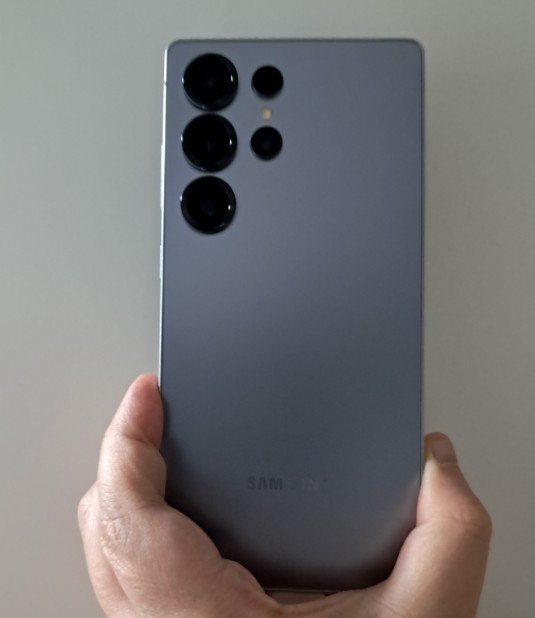
A new 24MP option, sitting between old choices
One of the most concrete discoveries is the appearance of a 24MP resolution mode inside Camera Assistant.
Right now, Samsung’s recent flagships typically ask users to choose between lower-resolution pixel-binned shots or full-resolution images that eat up storage. A 24MP option sits neatly in the middle.
The code suggests this mode would use high-efficiency image compression, saving space while still delivering more detail than the default output. In plain terms, it’s a compromise, and probably a smart one.
This new option is expected to apply to Photo mode and Portrait mode, two of the most-used camera settings on Galaxy phones.
For everyday users, that could mean sharper photos without the hassle of massive file sizes. For Samsung, it’s a way to offer something new without reworking hardware.
It’s small, but small things add up.
HDR10+ video gets more control
The other feature that looks increasingly likely is an update to how Samsung handles HDR in video recording.
Text strings inside One UI 8.5 reference a new option that allows users to select HDR10+ instead of standard HDR in Video and Pro Video modes. There’s a catch, of course. HDR needs to be enabled in the camera’s video format settings, and if HDR10+ is turned off in the preview, videos fall back to SDR.
That sounds technical, but the takeaway is simple. Samsung wants to give users more say over how HDR is applied, instead of making it an all-or-nothing decision behind the scenes.
HDR10+ has long been part of Samsung’s ecosystem, especially in TVs. Bringing tighter control over it to phone cameras fits the brand’s broader strategy.
It also hints that Samsung sees video as a battleground worth refining, even if changes are incremental.
Features still missing raise new questions
Not everything from the earlier leak has shown up yet.
There’s no clear sign of the rumored focus speed slider, a feature that would let users control how quickly the camera locks focus. That said, separate reports suggest Samsung is preparing support for new focus-control hardware, which may explain the delay.
Adaptive Pixel, another teased feature, remains even more mysterious.
The idea, according to earlier leaks, is that the system could merge multiple lower-resolution images into a higher-resolution final photo. That sounds familiar, but details matter, and right now they’re thin.
There are several ways Samsung could implement this, and each would have different effects on image quality, speed, and storage use. Without more code or official explanation, it’s still guesswork.
For now, Adaptive Pixel remains a promise without proof.
The S26 faces a bigger problem than camera specs
All of this is unfolding against a backdrop of growing skepticism around the Galaxy S26 lineup as a whole.
Early chatter among Android fans suggests concern that the S26 phones may feel too close to the S25 series. Leaks so far paint a picture of refinement rather than bold change, especially on the hardware side.
That puts extra pressure on software features like these camera tweaks to carry more weight.
Samsung has been here before. In years when design changes were subtle, software improvements often did the heavy lifting. The company has a long track record of stretching existing hardware with updates that quietly improve everyday use.
Still, expectations are high. Rival brands are pushing aggressive camera marketing, and smartphone buyers are harder to impress than they used to be.
Why Camera Assistant matters more than it seems
Camera Assistant isn’t a headline feature for most users, but it plays a key role in how Samsung experiments.
Instead of baking every change directly into the camera app, Samsung uses Camera Assistant to test options, offer advanced controls, and gauge user interest. Features that work well often migrate into the default experience later.
That makes these discoveries more meaningful than they might look at first glance.
If Samsung is already wiring these options into One UI 8.5, it suggests internal confidence that they’ll ship, likely alongside the Galaxy S26.
It also hints that Samsung sees photography as something to tune continuously, not lock down.
Incremental upgrades, but not nothing
Taken together, the rumored S26 camera upgrades don’t rewrite the rules. There’s no dramatic jump in megapixels, no radical sensor redesign hinted at here.
What they offer instead is polish.
A smarter middle-ground resolution. More explicit HDR choices. Potential groundwork for deeper focus control. These are the kinds of changes that don’t sell phones on posters, but they do shape daily use.
For some buyers, that’s enough. For others, it may feel underwhelming.
Samsung’s challenge with the Galaxy S26 won’t be about proving it works. That’s a given. It will be about proving it’s worth upgrading for.
As One UI 8.5 continues to surface in leaks and test builds, more answers should emerge. Until then, the camera story is quietly forming, line by line of code, well before Samsung ever takes the stage.