Georgian Prime Minister Irakli Kobakhidze announced on December 23, 2025, that his country stands ready to restart its strategic partnership with the United States, aiming for a fresh start under the new Trump administration. This move comes after relations soured during the Biden era, with Kobakhidze expressing hope for improved ties amid ongoing geopolitical shifts in the region.
Background on Strained Relations
Tensions between Georgia and the US escalated in recent years, leading to a suspension of their strategic partnership. The Biden administration imposed sanctions on key Georgian figures, including Bidzina Ivanishvili, the founder of the ruling Georgian Dream party, over concerns about the handling of pro-European protests.
These sanctions highlighted deeper issues, such as accusations of democratic backsliding and foreign agent laws that critics say mimic Russian tactics. Kobakhidze has repeatedly blamed what he calls the “Deep State” in Washington for meddling in Georgian affairs, a narrative that aligns with some rhetoric from the incoming US leadership.
Despite these challenges, Georgia has maintained its aspirations for closer Western integration, including EU membership talks. The prime minister’s latest statements suggest a potential thaw, especially with Donald Trump’s return to the White House.
Kobakhidze’s Outreach to Trump Team
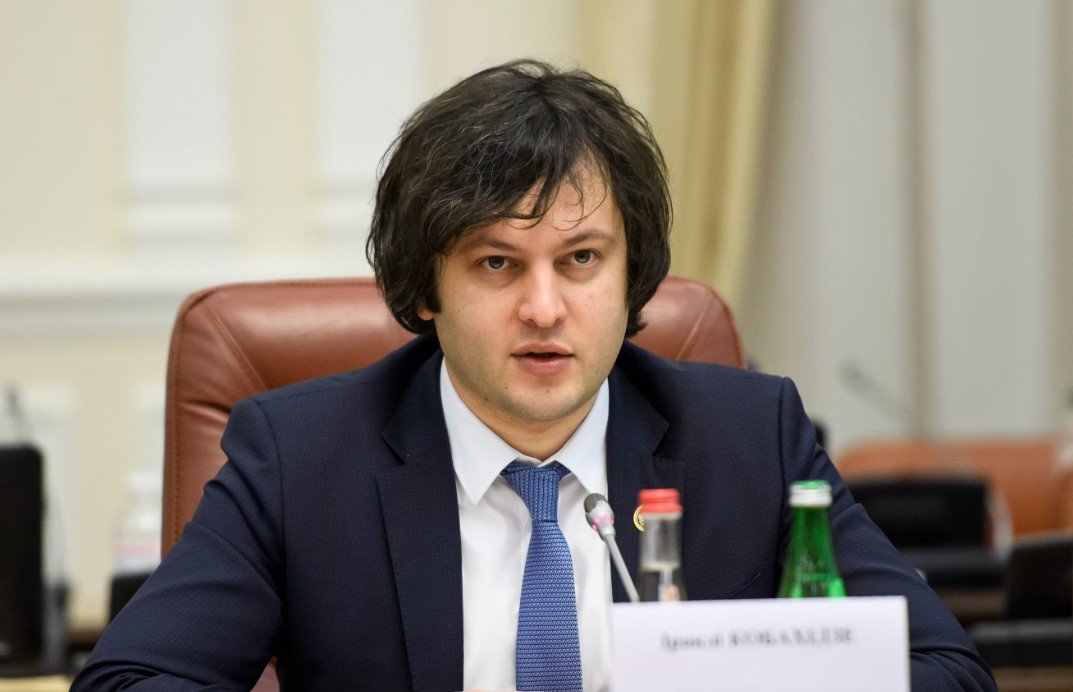
In a bold step, Kobakhidze sent an open letter to President Donald Trump and Vice President J.D. Vance, outlining Georgia’s eagerness to reset relations. He emphasized shared values and the need to confront bureaucratic hurdles that strained ties under the previous US administration.
The letter, made public in mid-December 2025, called for a “clean slate” and a concrete roadmap to revive cooperation. Kobakhidze noted that Georgia has not yet received a formal response but remains optimistic, pointing to Trump’s focus on reducing foreign entanglements and promoting stability.
This outreach coincides with the appointment of Tamar Taliashvili as Georgia’s new ambassador to the US. She presented her credentials to Trump shortly after the resignation of former ambassador Robin Dunnigan, signaling a diplomatic refresh.
Experts view this as part of a broader strategy by Georgia to navigate its position between Russia and the West, especially amid ongoing territorial disputes with Moscow over Abkhazia and South Ossetia.
Key Areas for Potential Cooperation
Restoring the partnership could open doors in several critical sectors. Defense and security have long been pillars of US-Georgia relations, with past collaborations including military training and equipment support to counter Russian influence.
Economic ties also stand to benefit, as Georgia seeks investment in infrastructure and energy projects. The country positions itself as a key transit hub in the South Caucasus, linking Europe and Asia through initiatives like the Black Sea cable project.
Here are some potential focus areas for renewed collaboration:
- Military aid and joint exercises to bolster Georgia’s defenses.
- Trade agreements to boost exports of Georgian goods like wine and minerals to the US market.
- Support for Georgia’s EU integration, including technical assistance for reforms.
A table outlining recent US-Georgia interactions highlights the evolving dynamics:
| Year | Key Event | Impact |
|---|---|---|
| 2021 | Biden administration boosts aid | Strengthened security ties initially |
| 2024 | Sanctions on Georgian officials | Partnership suspension amid protests |
| 2025 | Kobakhidze’s letter to Trump | Potential reset signal |
These elements underscore the practical benefits of reconciliation for both nations.
Regional Implications and Challenges
The push for renewed US ties occurs against a backdrop of complex regional politics. Georgia continues to grapple with Russian occupation of its territories, and Kobakhidze has stated that any normalization with Moscow would not compromise on these issues.
Domestically, opposition groups accuse the government of drifting toward Russia, citing a Transparency International report from December 2025 that lists 41 steps allegedly taken by the Georgian Dream party to align closer with Moscow. Kobakhidze dismisses these claims, insisting on a pragmatic foreign policy.
Internationally, the US under Trump may prioritize deals that advance American interests, such as energy security and countering Chinese influence in the region. Analysts suggest this could lead to a more transactional approach, potentially easing sanctions if Georgia demonstrates commitment to democratic norms.
However, challenges remain, including unresolved EU accession hurdles. Kobakhidze affirmed readiness to sign any EU document immediately, but Brussels has yet to respond, adding another layer to Georgia’s diplomatic balancing act.
Public Sentiment and Future Outlook
Public opinion in Georgia shows mixed reactions to the prime minister’s initiative. Polls from late 2025 indicate strong support for Western alliances, with over 70 percent favoring EU and NATO membership, but skepticism about government motives persists among urban youth.
Social media buzz, particularly on platforms like X, reflects optimism from some quarters and criticism from others, with hashtags like #MakeAmericaGeorgiaRelationsGreatAgain gaining traction. This sentiment ties into broader trends of geopolitical realignment following Trump’s election victory.
Looking ahead, experts predict that successful talks could stabilize the South Caucasus, especially after recent peace deals between Armenia and Azerbaijan brokered with US involvement.
As this story develops, readers are encouraged to share their thoughts in the comments and spread the word on social media to keep the conversation going.