Georgia regulators are weighing an extension of the state’s shrimp season, even as docks stay quiet and profits thin out. Shrimp are plentiful in coastal waters, but cheaper imports and rising costs keep tightening the vise on one of the South’s oldest fishing trades.
On a gray, wind-bitten December morning, a state research boat rolled hard through St. Andrew’s Sound, marking the final shrimp trawl of the year. It was also the roughest.
Thirty-mile-per-hour winds chopped the water into short, angry waves, slapping the hull until the vessel ducked behind the natural shield of Cumberland Island. Even there, the cold was sharp. Fingers numbed. Breath fogged. The haul was light, as expected so late in the season, but the data still mattered.
A season that refuses to end quietly
For biologists with the Georgia Department of Natural Resources, the last trawl wasn’t just routine box-checking. It told a familiar story. Shrimp numbers remain solid. In some pockets, they’re actually strong.
State surveys this year showed healthy white shrimp populations lingering later than usual. Warmer fall waters helped. So did favorable spawning conditions earlier in the year. From a biological standpoint, extending the season makes sense, at least on paper.
From a human standpoint, it’s complicated.
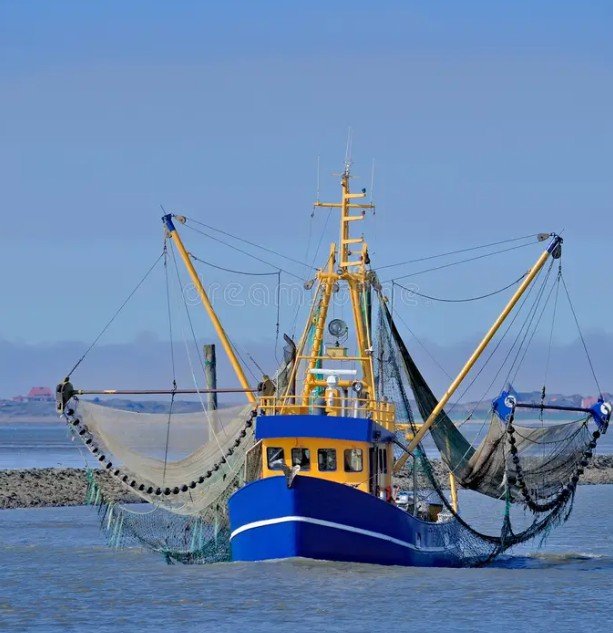
Some captains would welcome a few extra weeks. Others wonder if it’s worth burning diesel at all. Shrimp prices at the dock have stayed stubbornly low, and every extra day on the water comes with risk.
One sentence sums it up on the docks: “There’s shrimp out there, sure. But can you make money catching them?”
Imports rewrite the math for Georgia shrimpers
The biggest pressure point isn’t weather or stock levels. It’s the global market.
Imported shrimp now dominate U.S. consumption, accounting for roughly 90% of shrimp eaten nationwide, according to federal trade data. Much of it comes from farms in Ecuador, India, Vietnam, and Indonesia. It’s cheaper. Often frozen. And relentless in volume.
Georgia shrimp, wild-caught and landed fresh, can’t compete on price alone.
Since 1975, the number of shrimping licenses in Georgia has fallen by about 90%. That’s not a typo. What was once a crowded fleet working coastal waters has thinned to a fraction of its former size.
A few forces collide here:
-
Imported shrimp often sells for less than half the price of domestic wild-caught shrimp
-
Fuel, ice, maintenance, and insurance costs keep rising
-
Processing infrastructure along the coast has shrunk
-
Restaurants increasingly lock into long-term supply contracts with importers
The result is brutal math. Even with abundant shrimp, many trips barely break even.
And breaking even doesn’t fix a leaky hull.
An aging fleet rides out rougher waters
Walk the docks in Darien, Brunswick, or Thunderbolt and one thing stands out fast. The boats are old. So are many of the captains.
The average commercial shrimper in Georgia is well into their 50s or 60s. Some boats date back decades, patched and repatched with sweat, loan payments, and stubborn pride.
Replacing a shrimp trawler isn’t cheap. Neither is retrofitting engines to meet efficiency or emissions standards. Younger fishermen, watching the numbers, often choose other paths. Construction. Shipping. Offshore work. Anything steadier.
There’s also the physical toll.
Shrimping isn’t romantic at four in the morning when it’s 40 degrees and your hands are sorting through stingrays, squid, crabs, and sea cucumbers just to find a modest catch. Backs ache. Knees complain. And insurance premiums don’t care how long your family’s been on the water.
One sentence echoes from captain to captain: “This job doesn’t love you back.”
Why regulators still see room to extend the season
So why extend the season at all?
Because biologically, there’s little downside this year.
State biologists use trawl data, water temperature, shrimp size, and bycatch ratios to decide when to close or extend the season. In late 2025, shrimp growth remained within sustainable ranges, and bycatch stayed manageable.
Extending the season could help a subset of shrimpers who still have contracts, niche buyers, or direct-to-consumer sales. For them, an extra window matters.
It also spreads effort over time, rather than forcing a rush that floods the market all at once. Slower landings can stabilize dock prices, at least marginally.
But no one at the state level pretends this is a fix.
It’s more like keeping the lights on a little longer.
Shrimp everywhere, profits nowhere
The disconnect between healthy shrimp stocks and struggling fishermen has become the defining feature of Georgia’s shrimp industry.
It looks like this:
| Factor | Biological Outlook | Economic Reality |
|---|---|---|
| Shrimp population | Stable to strong | Prices remain low |
| Season length | Flexible | Costs rise with time |
| Fleet size | Smaller, controlled | Too small to scale |
| Market demand | High nationwide | Dominated by imports |
This table tells a quiet story. Nature is cooperating. Markets are not.
And markets don’t care about heritage.
What hangs in the balance along the coast
Shrimping in Georgia is more than a line item. It’s culture. It’s foodways. It’s the reason certain towns smell like salt and diesel at dawn.
Lose the fleet, and you lose more than jobs.
You lose dockworkers. Icehouses. Net makers. Small processors. Family-run seafood shacks that advertise “wild Georgia shrimp” like a badge of honor. Once those links break, they rarely come back.
State officials know this. So do coastal lawmakers. But policy tools are blunt. Season extensions help a bit. Marketing campaigns help some. Tariffs and trade rules live far above state reach.
For now, the approach is cautious. Extend the season if the science allows. Give fishermen a little breathing room. Hope buyers remember the taste difference.