An Atlanta mother is preparing to sue the Georgia State Patrol after her 19-year-old son died in a high-speed chase crash in Little Five Points. Kate Schoenke lost her son Cooper in April 2025 when a fleeing driver slammed into his car, sparking fresh debates on police pursuit rules.
The Deadly Crash That Shook a Family
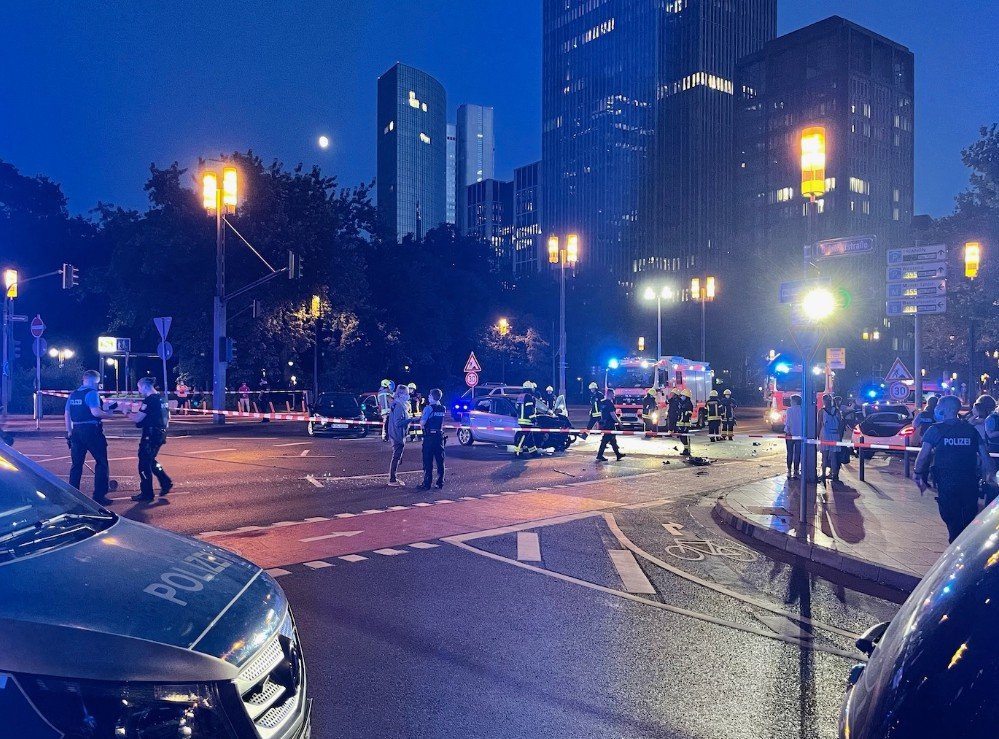
Cooper Schoenke was driving through Atlanta’s lively Little Five Points area on April 14, 2025, when tragedy struck. A Georgia State Patrol trooper chased a speeding driver who ran a red light and crashed into Cooper’s Honda Accord, killing him instantly.
The chase started on Interstate 20 East after the trooper spotted Faduma Mohamed, 23, weaving through lanes at high speeds in her Chevrolet Equinox. Mohamed exited onto Moreland Avenue, ignored the red light at McLendon Avenue, and caused the fatal wreck. She now faces charges including felony murder, homicide by vehicle, and reckless driving.
Investigators found Mohamed was out on bond for prior crimes like armed robbery and kidnapping at the time. This detail has fueled public outrage, with many questioning why she was free to drive dangerously.
A Mother’s Grief and Push for Justice
Kate Schoenke and her family are enduring their first holiday season without Cooper, a vibrant teen who loved visiting Little Five Points. She recently filed an ante litem notice against the Georgia Department of Public Safety, a required step before suing the state.
This legal move highlights her belief that the pursuit was unnecessary and put innocent lives at risk. Schoenke described the pain of facing endless milestones without her son, from birthdays to Christmases.
Her action comes amid growing scrutiny of police chases. Family members have attended court dates for Mohamed, seeking accountability from all sides.
In interviews, Schoenke stressed the emotional toll, saying the crash turned a routine evening into a nightmare. She aims to honor Cooper by pushing for safer roads.
Calls for Reform in Pursuit Policies
Advocates and lawmakers are demanding changes to Georgia State Patrol’s chase guidelines after this incident. They argue pursuits for minor traffic stops often escalate into deadly events, especially in busy urban areas.
Local officials point out that Little Five Points is a pedestrian-heavy spot with shops and nightlife, making high-speed chases there especially risky. Groups have rallied for stricter rules, like limiting pursuits to serious crimes only.
Recent events echo this case. In November 2025, another GSP chase led to the death of Devontae Hinton, prompting more families to speak out against what they call reckless tactics.
- Key demands from advocates include mandatory risk assessments before starting chases.
- Training for troopers on urban pursuit dangers.
- Use of technology like drones or GPS trackers to avoid high-speed risks.
These calls reflect a broader push for police accountability in Georgia.
Alarming Statistics on Police Chases
Data from a five-year analysis reveals troubling patterns in Georgia State Patrol pursuits. Troopers initiate chases almost daily, often for low-level offenses like speeding.
More than half of these pursuits end in crashes, according to reports. Many involve innocent bystanders, raising questions about public safety.
| Year | Total Pursuits | Crashes | Fatalities |
|---|---|---|---|
| 2021 | 1,200 | 650 | 45 |
| 2022 | 1,150 | 620 | 42 |
| 2023 | 1,300 | 700 | 50 |
| 2024 | 1,250 | 680 | 48 |
| 2025 (to date) | 1,100 | 590 | 52 |
This table shows a consistent trend, with 2025 on track for high numbers. Experts note that crashes often stem from pursuits in populated areas, mirroring Cooper’s case.
Such stats have led to legislative talks, with some bills proposing oversight committees to review chase outcomes.
Broader Impact on Communities and Safety
This tragedy has sparked discussions on how police pursuits affect everyday people. In Atlanta, residents worry about safety in neighborhoods like Little Five Points, known for its cultural vibe.
Similar cases nationwide, such as a 2025 Alabama chase that killed a teen, highlight the issue. Families like the Schoenkes are uniting to share stories and lobby for change.
Logical reasoning suggests balancing law enforcement needs with public risk. If pursuits for minor violations lead to deaths, alternatives like later arrests could save lives.
As 2025 ends, this case reminds us of the human cost behind statistics. It ties into ongoing debates on policing reforms, especially after high-profile incidents in recent years.
What do you think about police chase policies? Share your thoughts in the comments and pass this article along to spark conversations on safer streets.