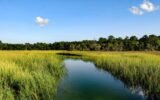
Northern New Mexico’s dramatic vistas, which helped define the artistic legacy of Georgia O’Keeffe, will now be permanently protected under a sweeping land conservation plan. State officials said the effort secures more than 6,000 acres and preserves the landscapes that shaped some of O’Keeffe’s most celebrated paintings.
The plan combines state funding with partnerships to conserve a terrain that is visually important, historically significant, and central to O’Keeffe’s identity as an American modernist painter.
Landmark Views Receive Long-Term Protection
The conservation agreement involves the State of New Mexico, the New Mexico Land Conservancy, the Presbyterian Church Foundation, and the Ghost Ranch Foundation. These entities will manage land easements that guarantee the protected areas cannot be developed or commercially reshaped in ways that would jeopardize the landscape.
One small observation: the state is contributing more than $900,000 toward the effort.
Ghost Ranch, where O’Keeffe lived seasonally for decades, remains one of New Mexico’s most culturally revered spaces. The artist maintained a summer house and seven acres of land there, surrounded by multicolored cliffs, mesas, and rock formations. The surrounding 6,000 acres will now remain under conservation protections.
Officials said the easements will guarantee ecological stewardship and maintain outdoor educational programs. This is especially meaningful because Ghost Ranch operates as both a retreat and an educational center, offering art classes, hiking access, environmental programs, and historical tours.
The conservation plan does not affect O’Keeffe’s Abiquiú home or her studio, which remain under the care of the Georgia O’Keeffe Museum in Santa Fe.
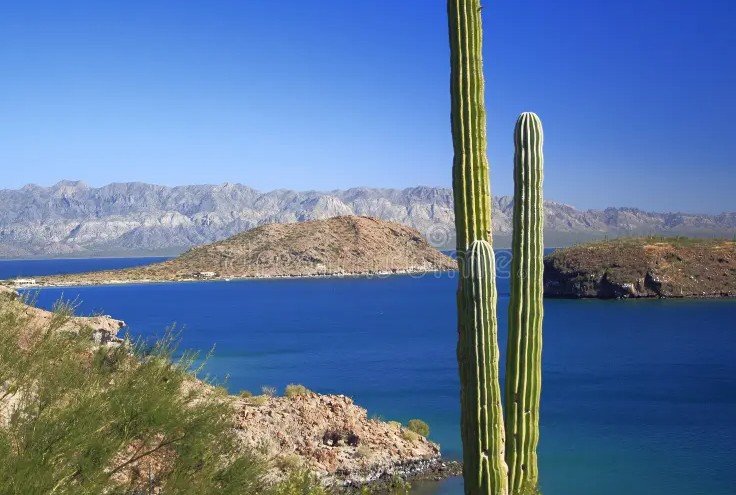
Protecting a Landscape That Influenced Generations
For O’Keeffe, the red and tan rock faces of northern New Mexico became central to her artistic voice. She painted Cerro Pedernal — a flat-topped mesa visible from Ghost Ranch — repeatedly across decades. The mountain became almost mythological in her work.
She famously said that if she painted it enough, God would give it to her. The line still feels layered with humor, ambition, and affection.
Many of her masterpieces, including “My Front Yard, Summer, 1941,” captured the fullness of her surroundings at Ghost Ranch. These paintings reshaped American modernism, bringing the Southwest’s natural geometry, color, and solitude into galleries around the world.
People who have visited Ghost Ranch describe the light as cinematic, changing minute by minute. On a quiet morning, the cliffs almost glow. For artists, photographers, and naturalists, this terrain feels like a living archive.
In an email interview, David Evans, chief executive of the Ghost Ranch Education and Retreat Center, called the partnership a “once-in-a-generation” chance to protect a landscape that is widely known, widely loved, and deeply meaningful.
He said the ranch sought to secure long-term environmental protection before development pressure increased again.
One short sentence: Evans emphasized that the land must remain as O’Keeffe experienced it.
Conservation Brings Cultural, Ecological, and Economic Benefits
The acres covered by easements include grasslands, buttes, arroyo systems, and wildlife habitats. Experts say the protected land provides environmental value as well as cultural meaning.
The conservation easements will ensure:
-
No high-impact development or industrial expansion on protected acreage
The easements also position Ghost Ranch to continue sustainable operations. Ranch leadership has worked for years to balance visitation with environmental care, especially as more tourists and art enthusiasts travel to northern New Mexico.
Some local residents view the project as both a cultural investment and a climate strategy. Preserving intact ecosystems helps with soil stability, watershed management, and habitat continuity. New Mexico is historically vulnerable to drought conditions, which means responsible stewardship matters a great deal.
Here is a straightforward snapshot of the funding approach:
| Funding Source | Amount |
|---|---|
| State of New Mexico | More than $900,000 |
| Conservancy and partners | Privately supported |
One short note: the state has increasingly used public-private partnerships to protect land with cultural or environmental importance.
Community and Tourism Implications
Ghost Ranch operates as a retreat center, an education nonprofit, and a destination for travelers from across the world. Thousands visit annually to walk the same trails O’Keeffe walked, see the buttes she painted, and learn how her environment shaped her technique.
Some locals quietly worry that unchecked tourism could affect the land. The easement model protects open space without cutting off access altogether. It encourages thoughtful use, not commercial exploitation.
Teachers and students depend on Ghost Ranch for summer programs, art instruction, archeology field schools, and natural history walks. The conservation easements will help stabilize long-term planning and avoid sudden land-use pressures that disrupt programming.
One sentence worth adding: New Mexico officials have discussed rural arts tourism as a valuable economic engine.
O’Keeffe’s influence has also strengthened Santa Fe’s museum footprint. The Georgia O’Keeffe Museum manages both her Abiquiú studio and the home at Ghost Ranch, contributing to research, exhibitions, and preservation standards. These properties remain unaffected by the easement but benefit from the broader conservation umbrella.
Why This Matters Beyond O’Keeffe’s Legacy
The idea of preserving an entire view rather than a building or artifact is increasingly gaining traction in conservation circles. Landscapes function as cultural assets, particularly when tied to artistic or historical narratives.
The Southwest has seen aggressive interest from energy developers, private ranching ventures, and speculative land buyers. By securing protections early, conservationists avoid costly future conflicts.
Some land preservation advocates say safeguarding outdoor environments that inspired major cultural works adds non-economic value to state identity. New Mexico’s artistic reputation is inseparable from its geography, which means its landscapes are cultural infrastructure.
Environmental policy leaders argue that conservation easements allow states to monetize heritage without selling it off piecemeal.
A short paragraph here makes the point: the plan helps guarantee that O’Keeffe’s views remain intact — not just the buildings or artifacts she left behind.