A federal judge ordered Georgia’s corrections system to continue providing hormone therapy for transgender inmates, ruling that the state’s ban violates constitutional protections. The state says it will appeal.
The ruling arrives amid increasing political battles over transgender rights and medical care across the country.
Judge Says Hormone Therapy Is Constitutionally Required
U.S. District Judge Victoria Marie Calvert wrote that Georgia’s ban on hormone treatment for transgender prisoners amounts to cruel and unusual punishment under the Eighth Amendment. Her order requires state prisons to maintain hormone therapy for inmates who were already receiving treatment and to begin medically supported therapy for inmates diagnosed with gender dysphoria.
The ruling was not casual. Calvert stated that there is no “genuine dispute of fact” about gender dysphoria being a serious medical condition. According to her written order, a total ban deprives patients of necessary care and creates immediate physical and psychological risks inside correctional facilities.
One short observation: this turns a temporary block she issued in September into a permanent court order.
Georgia lawmakers passed the ban earlier this year under Senate Bill 185, arguing that taxpayers should not fund gender-affirming medical treatments for inmates. The legislation sparked protests at the Capitol, including a walkout by House Democrats during debate.
State officials signaled they were disappointed by the ruling and plan to appeal.
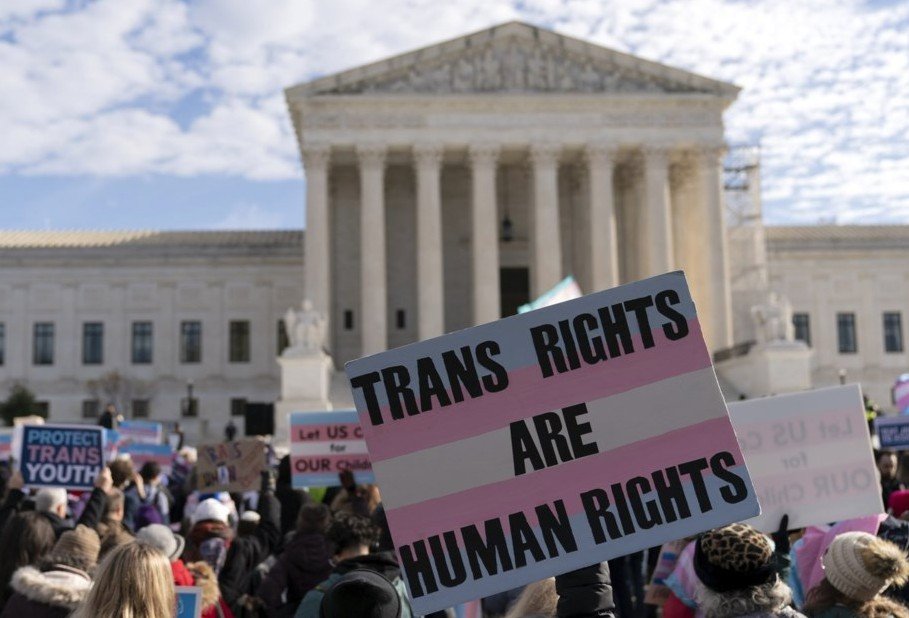
State Lawmakers Push a Different Argument
Supporters of Senate Bill 185 insist the correctional system already manages significant medical expenses and should not be compelled to cover specialized hormone treatment. They frequently argue that prison budgets should be prioritized for safety, staffing, and core medical needs.
Some Republican leaders also believe the issue reflects broader concerns about gender identity policy moving too far, too fast. They want prisons to apply uniform standards and not be compelled to provide therapies that they describe as elective.
But legal experts say Calvert’s framing makes the situation clearer. If a condition is medically diagnosed and has recognized standards of care, withdrawal of treatment becomes a constitutional issue instead of a political one.
Calvert wrote that the ban exposes inmates to increased risk of self-harm, depression, and intense stress. One sentence captures the essence: lack of hormone therapy can trigger urgent medical vulnerabilities, not just discomfort.
Her decision echoes federal court findings in other jurisdictions, where judges have blocked similar bans on treatment for incarcerated transgender people.
Policies Around Transgender Rights Remain Contentious
These legal fights are part of a much bigger national debate. At least nine states have explored or passed limits on transgender healthcare in prison systems. Meanwhile, state officials across the country are fighting about sports participation, school policies, and whether minors should have access to hormone therapy or puberty blockers.
In June, the U.S. Supreme Court upheld Tennessee’s ban on gender-affirming care for minors. That decision set a national precedent that has energized lawmakers who want tighter restrictions on medical access for transgender youth.
In April, the Trump administration sued Maine over its policy allowing transgender athletes in girls’ sports, adding to a wave of federal disputes.
This collection of cases shows that transgender policy is being shaped in courthouses and legislatures at the same time. That parallel activity increases confusion, especially for families, school districts, and state agencies.
One short paragraph: Georgia’s ruling now adds a correctional-care twist to that national storyline.
Inside Georgia Prisons: What the Ruling Actually Means
Georgia’s Department of Corrections will now be required to follow medical screening processes and continue or initiate hormone therapy for transgender inmates who qualify. The decision does not mandate surgical procedures or unrestricted access to outside providers.
Here is a simple breakdown of required outcomes from Calvert’s order:
| Requirement | Description |
|---|---|
| Continue existing hormone therapy | Inmates receiving treatment must remain on prescribed protocols |
| Allow new therapy if medically necessary | Inmates diagnosed with gender dysphoria can begin hormone care |
| Maintain clinical oversight | Treatment must follow accepted medical standards |
One small sentence: the ruling focuses entirely on hormone therapy, not other forms of gender-affirming care.
Several correctional health specialists argue that abrupt discontinuation of hormone therapy can escalate mental health issues, including higher suicide risk. Facilities in multiple states have faced similar situations over the past decade, leaving judges to decide whether treatment fits the constitutional standard of care.
Medical groups including the American Psychiatric Association and the American Academy of Family Physicians recognize gender dysphoria as a legitimate medical diagnosis requiring individualized treatment. Calvert relied on expert testimony reflecting those standards.
Political Pressure Builds Inside the Legislature
Georgia Democrats have sharply criticized Senate Bill 185, calling it punitive and discriminatory. Their walkout earlier this year highlighted how heated the debate has become. Some members said the bill treats inmates like political bargaining chips rather than patients with medical needs.
Republican lawmakers counter that the bill reflects taxpayer sentiment and aligns with views they hear from their constituents.
Yet within state policy circles, some officials privately worry about increasing litigation costs if Georgia continues passing laws that do not survive constitutional review. One sentence here makes the point: legal battles are expensive, and losing repeatedly can strain state budgets.
Meanwhile, civil rights groups are preparing to defend the ruling against appeal. Attorneys involved in the case say Calvert’s order rests on well-established prison-care precedent dating back decades.
Supporters of transgender inmates believe Tuesday’s decision reflects growing recognition that medical necessity does not pause behind prison walls.
The state’s legal team has a different view. They want appellate judges to reconsider whether prisons must cover hormone care automatically or whether treatment decisions should fall under broader correctional discretion.
The conflict will likely continue well into 2026.
National Trends Intensify the Legal Stakes
Georgia’s case doesn’t exist in isolation. Across the Sun Belt and Midwest, lawmakers have been drafting bills restricting medical access for transgender minors, school-based accommodations, sports participation, and public funding.
One bullet point here helps illustrate national pressure:
-
Multiple court systems have ruled that denying medically necessary gender-affirming treatment inside prisons violates constitutional protections
This trend matters because appellate courts have rarely ruled that prisons may freely cut off care once medically prescribed. Correctional facilities are constitutionally obligated to treat serious conditions, whether physical or psychological.
Some legal analysts say Georgia’s appeal faces an uphill fight, given prior rulings in Missouri, Wisconsin, Idaho, and other regions where courts blocked similar bans.
However, the Supreme Court’s June ruling on minors could influence how some judges frame gender-affirming care questions going forward.
One short reflection: the courts are balancing medical science, prison standards, legislative authority, and rapidly evolving social views.