Dozens of veterans, military families, students, and local residents gathered near Savannah on Sunday afternoon for the annual Pearl Harbor Remembrance Day event. The ceremony focused on memory, sacrifice, and the shared promise to never forget the December morning that changed the trajectory of World War II.
Hosted inside the National Museum of the Mighty Eighth Air Force, the gathering marked the 22nd annual Pearl Harbor Remembrance Day observance at the site. Speakers read poetry, shared personal family stories, and reflected on the magnitude of lives lost and futures forever altered.
Some attendees brought medals, photos, and keepsakes. Others simply brought respect and silence. For many, even eight decades later, the memory sits close to the heart.
A Ceremony Rooted in Family Memory
Judy Roddy stepped to the microphone to read a poem titled “The Voice from the Arizona.” She didn’t appear nervous. Instead, she spoke with confidence, composure, and a sense of pride that filled the museum’s auditorium.
Roddy said her connection to Pearl Harbor is deeply personal. She grew up hearing stories of sailors who never came home and families who rebuilt their lives afterward. She remembers her father speaking about it the same way someone remembers a tornado or earthquake — something that was bigger than anyone could fully put into words.
The poem she read was written for those lost aboard the USS Arizona, the battleship that suffered some of the deadliest destruction during the attack. The lines were emotional. Some listeners dabbed at their eyes. Others leaned forward, absorbing every word.
A small sentence here helps with pacing.
Roddy said her sense of duty to keep the memory alive never fades. She believes that every generation should hear the stories so history doesn’t drift into silence.
History Comes Alive at the Mighty Eighth Museum
The National Museum of the Mighty Eighth Air Force served as both the venue and a powerful reminder of wartime sacrifice. The museum preserves the history of the Air Force division that later played a critical role in World War II missions over Europe.
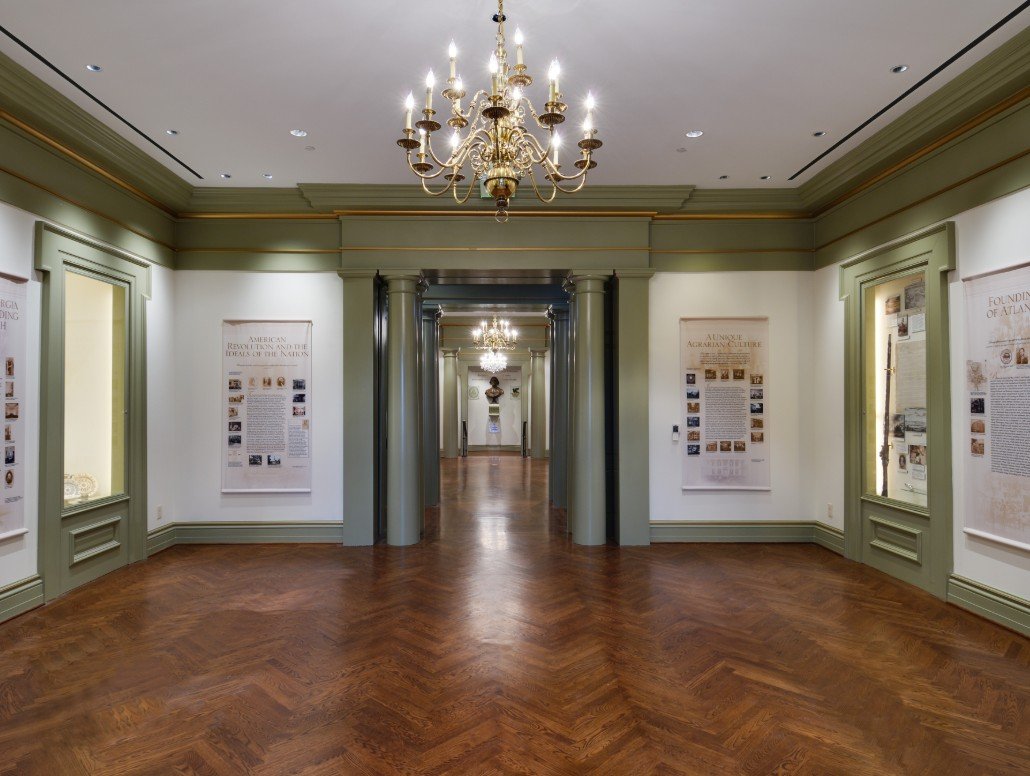
Visitors walked through display rooms before and after the ceremony. Aircraft models, wartime diaries, uniforms, and detailed mission maps helped connect personal stories to the larger strategic narrative of the conflict.
One speaker noted that the museum sits only about 15 miles from Savannah’s historic industrial corridor, where wartime workers once assembled aircraft parts and helped support the national response. He reminded the audience that local contributions mattered, even if many families were far from Pearl Harbor.
The event made that history feel local, not distant.
Attendance was steady, with veterans seated near the front and JROTC students assisting with ceremonial duties.
The South Effingham JNROTC Color Guard presented flags, adding a sense of formality that contrasted with the emotional tone of the readings.
Speakers Remind Audience Why Memory Still Matters
Several military historians, local Navy League members, and civilian volunteers took the podium to reflect on the Pearl Harbor attack. They stressed the importance of honoring sacrifice and preserving educational programs for younger generations.
One historian reminded the audience that December 7, 1941, still stands as a defining moment in American military history. He described the chaos that unfolded as Japanese aircraft struck the naval base in Hawaii, sinking or damaging multiple ships and killing more than 2,400 service members.
He said the attack changed global politics within hours. The United States declared war, joining a conflict that was already reshaping Europe, Asia, and the Pacific.
Another speaker explained how the Mighty Eighth Air Force formed shortly after the attack. Its mission was strategic, focused on disabling Nazi forces and helping shift the direction of the war. The speaker called it one of the most consequential military units in modern history.
A single sentence break here.
He emphasized that remembering Pearl Harbor isn’t just about honoring the fallen. It is about understanding the emotional and social ripple effects that carried into homes, churches, factories, and neighborhoods across the country.
One bullet point appeared naturally inside the presentation when speakers listed major themes behind remembrance efforts:
-
Honor those who died or survived the attack
-
Educate new generations about sacrifice and service
-
Preserve historic sites and firsthand accounts
Students in the audience scribbled notes, a reminder that history is still taught not only through textbooks but also through shared community memory.
Survivors Once Told the Story. Now Museums Hold It
Nearly all Pearl Harbor survivors have now passed away. Their numbers grow smaller every year, leaving museums, archives, and oral histories to carry the narrative forward.
During Sunday’s program, volunteers read accounts from sailors describing confusion, explosions, smoke, and desperate attempts to save fellow crew members. Some letters were written from hospitals. Others were written days before their deaths.
The room grew quiet.
The USS Arizona alone lost more than 1,100 sailors and Marines. Many remain entombed within the sunken ship to this day.
Historical context helps: the attack on Pearl Harbor resulted in the loss of 2,403 Americans and wounded more than 1,100 others, according to the National Park Service.
A smaller paragraph maintains rhythm.
The museum’s director highlighted how stories have transitioned from living memory to historic documentation. Survivors once stood in front of school groups and told their accounts firsthand. Now, curators and educators protect those stories through video, audio recordings, and written testimony.
The point was clear — history becomes fragile without active caretakers.
A Community Bonded by Duty, Not Agenda
Sunday’s event didn’t feel political or ceremonial for the sake of formality. It felt more like a family gathering where generations leaned on each other.
Veterans spoke softly with younger cadets, encouraging them to keep asking questions and honor those whose voices can no longer speak for themselves. Local family members shared memories of loved ones who served in World War II or supported the home front.
One Navy League member said remembrance efforts connect neighbors more than anything else. “People come together because they care,” he noted quietly.
The emotional weight of the day lingered even after people stood up to leave. Some remained in the museum lobby, looking at photos of the USS Arizona Memorial in Honolulu. Others paused to study mission maps or handwritten wartime letters.