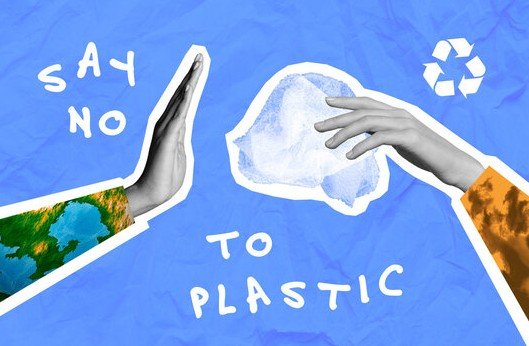
Georgia’s government has announced a major ban on single use plastic items for food contact, set to begin on January 1, 2026. This move targets common products like cutlery, cups, and straws to cut down on environmental harm and push for sustainable options.
Ban Details and Timeline
The new rules focus on stopping the production, import, sale, and market placement of specific single use plastics that touch food. Items such as forks, knives, spoons, chopsticks, plates, straws, stir sticks, and food containers including their lids made from expanded polystyrene will no longer be allowed.
This ban comes from changes to existing regulations on plastic materials meant for food. Officials say it aims to reduce plastic waste that pollutes rivers, oceans, and landfills. The decision follows growing concerns over microplastics harming wildlife and human health.
Businesses get some time to adjust. Plastics already on the market before the rules start can stay for three months. Food service spots have six months before they must stop using these items for ready to eat meals.
Items Affected by the Ban
The ban covers a range of everyday products to make a real difference in waste reduction. Here is a list of key items that will be prohibited:
- Forks, knives, spoons, and chopsticks
- Plates and trays for food
- Straws and beverage stirrers
- Cups and food containers, including lids from expanded polystyrene
These changes do not touch single use plastic packaging for pre packed foods. That means items like wrapped snacks or bottled drinks stay untouched for now.
Producers can still make these plastics for export. They just need to tell the environmental department in writing at least one month ahead. Details include start and end dates, amounts, export countries, and timelines.
Global Trends in Plastic Bans
Georgia joins a wave of countries fighting plastic pollution. Around the world, similar steps show a shift toward cleaner environments. For example, the European Union has phased out many single use plastics since 2021, cutting waste by millions of tons each year.
In Asia, places like Indonesia have banned small plastic water bottles this year. Pakistan has cracked down on plastic bags in its capital. These efforts highlight a global push, with over 100 nations now limiting single use plastics.
| Country/Region | Banned Items | Start Year | Key Impact |
|---|---|---|---|
| European Union | Straws, cutlery, plates | 2021 | Reduced ocean plastic by 20% in affected areas |
| Indonesia (Bali) | Small plastic water containers | 2025 | Aims to protect tourism spots from litter |
| Pakistan (Islamabad) | Single use plastic bags | 2025 | Fewer bags in landfills, better urban cleanliness |
| Canada | Bags, straws, six pack rings | 2022 | Dropped plastic waste by 15% nationwide |
This table shows how bans vary but share goals like less waste and better recycling. Experts predict global plastic production could drop by 10 percent by 2030 if trends continue.
Other recent events tie in, like the United Nations talks in 2025 pushing for a worldwide treaty on plastic pollution. Georgia’s ban aligns with these talks, showing leadership in the region.
Impact on Businesses and Economy
Companies in Georgia face challenges but also chances to innovate. Many will switch to paper, bamboo, or reusable options, which could create jobs in green manufacturing.
Some worry about higher costs for alternatives. A local cafe owner shared that switching to compostable cups might add 5 to 10 percent to expenses at first. Yet, government support through grants could help small businesses adapt.
On the positive side, the ban sparks circular economy ideas. Recycling firms report interest in turning waste into new products. This could boost Georgia’s economy, with estimates showing a potential 2 percent growth in sustainable sectors by 2028.
Consumers might see changes too, like asking for reusable items at eateries. Overall, the shift aims to balance short term hurdles with long term gains.
Environmental Benefits and Future Outlook
Cutting single use plastics will help Georgia’s nature. The country deals with plastic litter in its Black Sea coast and mountain rivers. Studies show microplastics in 70 percent of marine life there, harming fish and birds.
By 2030, this ban could reduce Georgia’s plastic waste by 25 percent, based on similar policies elsewhere. It supports broader goals like cleaner air and water, tying into global climate efforts.
Looking ahead, experts expect more rules, perhaps on all plastics by 2030. This fits with worldwide trends where plastic production is set to peak soon due to regulations.
Share your thoughts on this ban in the comments below. Have you switched to reusables? Spread the word by sharing this article to raise awareness about plastic pollution.