
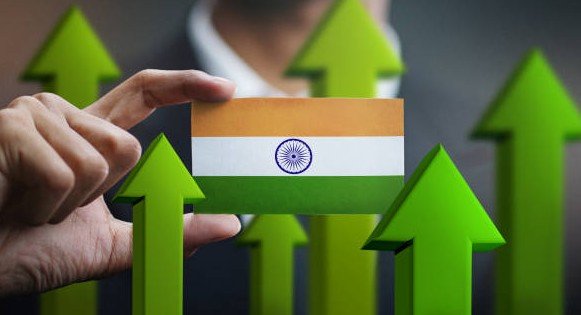
India’s economy showed strong momentum with gross domestic product expanding 8.2 percent in the July to September quarter of 2025. This growth beat expert forecasts and highlighted robust consumer spending, manufacturing gains, and service sector strength, even as new US tariffs posed hurdles.
Key Drivers Behind the Surge
Consumer spending played a major role in this uptick. As the largest part of India’s economy, it rose 7.9 percent year on year, fueled by festival season demand and recent tax cuts on goods and services.
Manufacturing output jumped 9.1 percent, while financial, real estate, and professional services grew 10.2 percent. These sectors helped offset weaker areas like government spending, which fell 2.7 percent.
Analysts point to domestic factors as the main force. Strong local demand and production ahead of holidays cushioned the blow from external pressures.
Overcoming US Tariff Pressures
New tariffs from the US, reaching up to 50 percent on Indian exports like textiles and jewelry, started in August 2025. These levies aimed at India’s oil buys from Russia and widened the trade gap to a record 41.68 billion dollars in October.
Despite this, India’s growth held firm. Exports faced strain, but the economy’s focus on internal markets limited the damage. Trade talks between New Delhi and Washington continue, with hopes for a deal to ease tensions.
Experts note that while tariffs hurt some industries, India’s diverse economy adapted well. The nation remains the world’s fastest growing major economy, outpacing global slowdowns.
Sector Wise Performance Breakdown
To understand the growth better, here is a look at key sectors:
| Sector | Growth Rate (Year on Year) | Key Factors |
|---|---|---|
| Manufacturing | 9.1% | Increased production for festivals and domestic needs |
| Services (Financial, Real Estate) | 10.2% | Rise in professional services and real estate deals |
| Consumer Spending | 7.9% | Boost from tax cuts and holiday shopping |
| Government Spending | -2.7% | Cuts in public expenditure amid fiscal caution |
This table shows how secondary and tertiary sectors led the charge.
Agriculture also contributed modestly, with steady output despite weather challenges in some regions.
Overall, these figures reveal a balanced yet dynamic economic picture.
Future Outlook and Economic Impact
Looking ahead, projections for 2025 suggest continued growth around 7 percent, according to reports from agencies like Moody’s. India is set to lead emerging markets, thanks to strong domestic drivers and resilience against global uncertainties.
However, ongoing trade issues could slow exports if unresolved. Economists warn that sustaining this pace will require policy support, such as further tax reforms and infrastructure investments.
Recent events, like the GST rate reductions, have already spurred spending. If trade deals progress, it could open new opportunities.
- Potential boosts: More foreign investment in tech and renewables.
- Challenges: Rising global inflation and energy costs.
- Opportunities: Expanding digital economy and green initiatives.
These elements will shape India’s path into 2026.
Global Context and Comparisons
India’s performance stands out against a backdrop of slower growth elsewhere. While the US and Europe face economic headwinds, India’s 8.2 percent rate reaffirms its position as a bright spot.
Comparisons with neighbors show India leading, with China reporting lower figures amid its own trade woes. This growth also ties into broader trends, like shifting supply chains away from traditional hubs.
Investors view India favorably, with stock markets reacting positively to the data. The rupee strengthened slightly, reflecting confidence.
As the world watches, India’s ability to navigate tariffs and maintain momentum offers lessons in economic adaptability.
What do you think about India’s growth story? Share this article with friends and drop your comments below to join the discussion.