
NASA’s Perseverance rover has uncovered a strange rock on Mars that does not belong there. The boulder, named Phippsaksla, likely came from space as a meteorite and crashed into the Jezero Crater, marking a first for this mission after years of exploration.
This find happened on September 19, 2025, during the rover’s ongoing search for signs of ancient life. Scientists say the rock stands out due to its shape and makeup, sparking excitement about what it reveals about Mars and beyond.
The Surprising Discovery in Jezero Crater
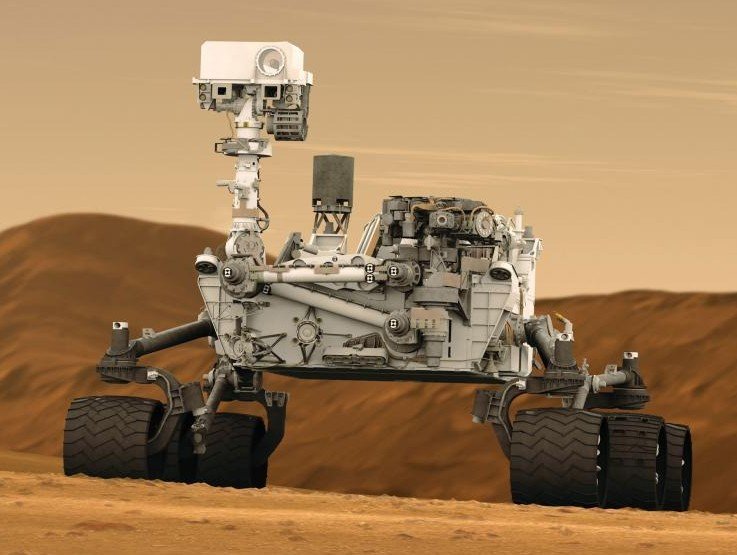
Perseverance has been rolling across Mars since landing in 2021. It explores Jezero Crater, an ancient lakebed that might hold clues to past microbial life. On its 1,629th Martian day, the rover spotted Phippsaksla while moving through an area called Vernodden.
The rock measures about 31 inches across and sits on flat, broken ground. Its sculpted look caught the team’s eye right away. Close up images show it differs from nearby stones, with a shiny, metallic surface that hints at something unusual.
Experts at NASA and universities like Purdue quickly analyzed data from the rover’s tools. They found high levels of iron and nickel, elements rare in Martian rocks but common in space debris.
This discovery came amid other recent Mars news, including studies on black streaks across the planet’s slopes explained as dust flows. It adds to the buzz around Mars exploration in 2025, a year with big pushes for sample return missions.
Why This Rock Stands Out
Phippsaksla is not like the volcanic or sedimentary rocks Perseverance usually finds. Most Martian stones form from the planet’s own geology, like lava flows or old riverbeds. This one seems to have fallen from the sky.
Analysis shows its makeup matches iron nickel meteorites found on Earth. These often come from asteroids in the belt between Mars and Jupiter. The rock’s lumpy shape and high metal content suggest it survived a fiery entry through Mars’ thin atmosphere.
Scientists estimate it has been on the surface for millions of years. Erosion from wind and dust has shaped it over time, but its core remains intact.
Here are key features that make Phippsaksla unique:
- Size: Roughly 31 inches wide, larger than many rover finds.
- Composition: Rich in iron and nickel, unlike local bedrock.
- Appearance: Shiny and sculpted, standing tall amid flat fragments.
- Location: On ancient bedrock near Jezero’s rim, an area with few similar rocks.
This find surprises experts because Perseverance had not spotted any meteorites before, despite searching a crater similar in age to others where they were found.
How It Compares to Past Mars Meteorite Finds
Other NASA rovers have stumbled upon meteorites before. Spirit, Opportunity, and Curiosity each found at least one during their missions. For example, Curiosity spotted several in Gale Crater, which is about the same age as Jezero.
Perseverance’s lack of such finds until now puzzled scientists. They thought Jezero’s terrain might hide them or that fewer impacts happened there. This new discovery changes that view.
| Rover | Mission Years | Meteorite Finds | Key Details |
|---|---|---|---|
| Spirit | 2004-2010 | 1 | Iron meteorite near landing site |
| Opportunity | 2004-2018 | 1 | Nickel iron type, heat shield rock |
| Curiosity | 2012-present | Multiple | Various sizes, ongoing analysis |
| Perseverance | 2021-present | 1 (Phippsaksla) | First in Jezero, high metal content |
These past finds helped scientists learn about Mars’ atmosphere and impact history. Phippsaksla could do the same, offering fresh data on how space rocks interact with the Red Planet.
In 2025, with missions like the Psyche asteroid probe advancing, this ties into broader solar system studies. Experts note that meteorites like this might come from shattered asteroids, linking Mars to distant cosmic events.
Scientific Implications and What It Means for Life Search
Finding an alien rock boosts the hunt for life signs. Perseverance collects samples that could return to Earth in future missions. If Phippsaksla holds traces of its origin, it might reveal details about water or organics from elsewhere.
The rock’s metals suggest it formed in an asteroid’s core, similar to Earth’s. This could help explain how planets build up over time. Researchers are eager to test if it carries rare elements not seen on Mars.
One theory is that such meteorites seeded Mars with materials that sparked early chemistry. While not direct proof of life, it adds pieces to the puzzle.
Recent studies in 2025, like those on Martian blobs possibly from failed planets, connect to this. They show Mars has a complex history with impacts shaping its surface.
Teams plan more scans with the rover’s lasers and cameras. If confirmed as a meteorite, it would be a milestone for Perseverance.
Future Plans for Perseverance and Mars Exploration
NASA aims to keep Perseverance moving uphill toward Jezero’s rim. There, it might find more outcrops or similar rocks. The rover’s tools will probe deeper into Phippsaksla’s makeup.
This fits into 2025’s push for Mars sample returns. Delays from budget issues, like the recent U.S. government shutdown, slowed progress, but work continues.
Experts predict more discoveries as rovers like Perseverance and Curiosity team up with orbiters. Private companies, such as those planning Mars landings, add to the excitement.
In the end, finds like this remind us how much Mars still hides. They fuel dreams of human visits and deeper space probes.
Share your thoughts on this Mars mystery in the comments below. Did this rock surprise you? Spread the word by sharing this article with fellow space fans to keep the conversation going.
