
Community organizations across Georgia are ramping up efforts to feed families as uncertainty lingers over November SNAP benefits during the ongoing federal government shutdown. With 1.4 million residents relying on this aid, local nonprofits and food banks face surging demand while state officials await federal guidance.
Federal Shutdown Sparks SNAP Crisis
The federal government shutdown, now in its second month as of November 2025, has thrown food assistance into chaos. A recent court ruling forced the U.S. Department of Agriculture to release partial November benefits, but delays persist in states like Georgia.
This marks the first time under the current administration that SNAP payments have halted at the start of a month. Officials say the pause affects grocery budgets for millions nationwide, with Georgia hit hard. The program, which provides an average of $187 per person monthly, supports low-income households, including over 600,000 children in the state.
Experts point to the shutdown’s roots in budget disputes, echoing past crises like the 2018 to 2019 standoff that lasted 35 days. Without quick resolution, families could face empty pantries during the holiday season.
Heavy Toll on Georgia Families
In Georgia, about one in eight residents depends on SNAP or similar programs. The uncertainty has led to longer lines at food pantries, with many turning to community aid for the first time.
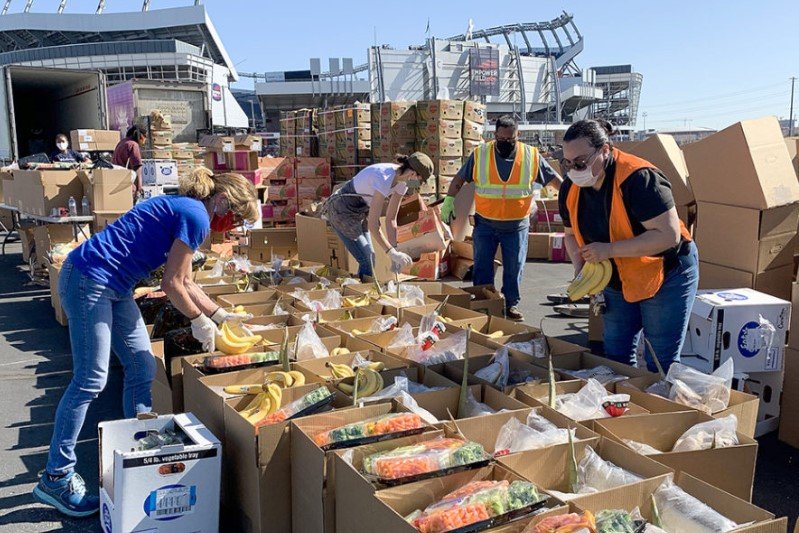
Parents like those at MUST Ministries in Canton describe skipping meals to feed their kids. Rural areas suffer most, where job scarcity and high food prices worsen the strain. Recent data shows food insecurity rates climbing, with 12 percent of Georgia households struggling to afford basics, up from last year.
The shutdown’s timing, just before Thanksgiving, adds pressure. Families report cutting back on fresh produce and proteins, opting for cheaper, less nutritious options.
This crisis builds on ongoing challenges, including inflation that has driven up grocery costs by 25 percent since 2020. Without SNAP, many say they would rely on credit or skip bills to eat.
Nonprofits Step In to Fill the Gap
Groups like MUST Ministries and the Atlanta Community Food Bank are expanding services to meet the surge. In Canton, volunteers pack boxes of canned goods, fresh produce, and clothes for waiting families.
MUST Ministries reports demand mirroring the early days of the 2020 pandemic, when shutdowns left many jobless. They now serve hundreds daily, up from typical numbers.
Other organizations, such as Goodr Community Market in Atlanta, offer free groceries to low-income seniors and families. These efforts include drive-through distributions and mobile pantries reaching remote areas.
- Key community resources in Georgia:
- Atlanta Community Food Bank: Distributes meals through partner pantries statewide.
- MUST Ministries: Provides food, clothing, and emergency aid in multiple counties.
- Second Harvest of South Georgia: Focuses on rural areas with fresh food deliveries.
These groups warn they cannot fully replace SNAP, designed as a long-term safety net.
Calls for State Intervention Grow
Governor Brian Kemp faces mounting pressure to use state funds for temporary relief. Critics, including Senator Raphael Warnock, argue the state has the resources but chooses not to act.
Advocates push for emergency allocations, noting Georgia’s budget surplus could bridge the gap. Similar moves happened in other states during past shutdowns, like California’s 2019 aid package.
Public sentiment on social media reflects frustration, with posts highlighting the human cost. Without state help, experts predict a spike in hunger-related health issues, especially among children and the elderly.
Broader Economic and Social Impacts
The SNAP delay ripples beyond food access, hurting local economies. The program pumps billions into Georgia’s agriculture and retail sectors annually.
Farmers report lower demand for produce, while stores see fewer customers. A recent study estimates SNAP generates $1.70 in economic activity for every dollar spent.
| Impact Area | Details | Estimated Affected |
|---|---|---|
| Households | Low-income families facing meal shortages | 700,000+ |
| Children | Risk of nutritional deficits | 600,000 |
| Economy | Reduced spending at local stores | $3 billion annually |
| Health | Increased stress and illness | Statewide rise expected |
This table shows key effects, based on current trends.
Long-term, the crisis could widen inequality, with urban areas like Atlanta faring better due to more resources than rural spots.
Path Forward Amid Uncertainty
As federal talks drag on, Georgia’s Department of Human Services monitors updates but offers no firm timeline for benefits. Recipients can still use pre-November funds, but many accounts run low.
Community leaders urge donations and volunteers to sustain efforts. With holidays approaching, resolving the shutdown remains critical to avoid deeper hardship.
Share this article if it helped you understand the situation, and comment below on how the SNAP uncertainty affects your community. Your input can highlight stories that need attention.
