SpaceX achieved a major milestone by launching its 133rd Falcon 9 rocket of 2025, sending 28 Starlink satellites into orbit from Vandenberg Space Force Base in California. The liftoff happened on October 22 at 7:16 a.m. Pacific time, marking a new high for the company’s annual launch count and highlighting its push to expand global internet access.
This event not only broke the previous record of 132 Falcon 9 flights set in 2024 but also showed SpaceX’s ability to maintain a rapid launch pace. With this mission, the company continues to build its massive Starlink network, which now serves millions of users worldwide.
Launch Highlights and Timeline
The Falcon 9 rocket lifted off smoothly from Space Launch Complex 4 East at Vandenberg Space Force Base. It carried 28 Starlink V2 Mini satellites designed for better broadband coverage.
About eight minutes after launch, the first stage booster landed safely on the drone ship named Of Course I Still Love You in the Pacific Ocean. This successful recovery added to SpaceX’s impressive reuse record.
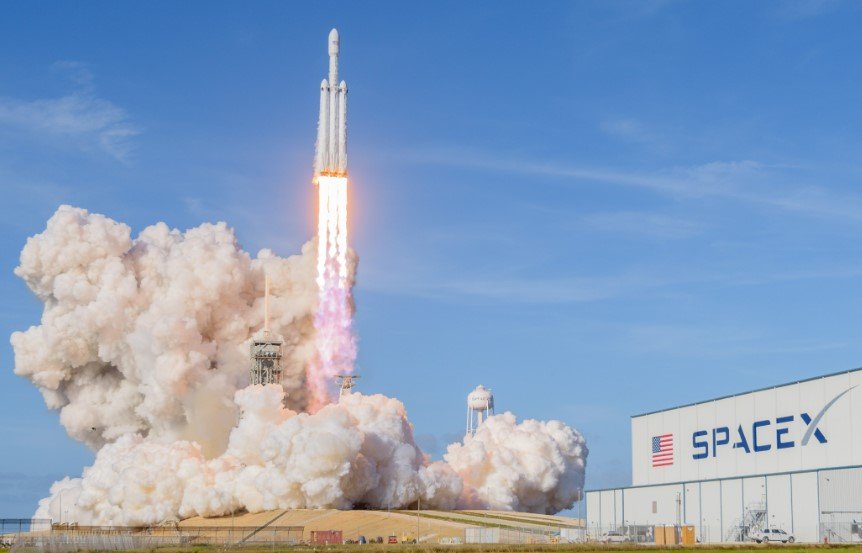
The upper stage then deployed the satellites into low Earth orbit roughly an hour later. Weather conditions were favorable, with clear skies aiding the early morning launch.
Engineers monitored the flight in real time from mission control. No issues were reported during ascent or separation stages.
Breaking the Annual Launch Record
This 133rd Falcon 9 mission of 2025 surpasses last year’s total, showing SpaceX’s growth in launch frequency. The company has ramped up operations to meet demand for satellite deployments.
In 2024, SpaceX completed 132 Falcon 9 launches, plus other missions with Falcon Heavy and Starship. This year, the focus has stayed on Falcon 9 for reliability and speed.
Experts point to improved manufacturing and turnaround times as key factors. Each launch now happens every few days on average.
This record reflects broader trends in the space industry, where reusable rockets lower costs and increase access to space.
Booster Performance and History
The booster used, known as B1075, flew for the 21st time, setting a personal best for that hardware. It has supported various missions, including government and commercial payloads.
Previous flights included satellite deployments for defense and private clients. Its reliability helps SpaceX save millions per launch through reuse.
After landing, teams will inspect and refurbish the booster for future use. This approach has become standard for the company.
SpaceX plans to push boosters even further, aiming for more flights per unit in coming years.
Here is a quick look at SpaceX’s launch progress over recent years:
| Year | Falcon 9 Launches | Total Missions |
|---|---|---|
| 2023 | 96 | 98 |
| 2024 | 132 | 138 |
| 2025 | 133 (so far) | 138 (so far) |
Expanding the Starlink Network
The 28 satellites launched will join thousands already in orbit, boosting Starlink’s capacity. This network provides high-speed internet to remote areas.
Users in rural regions and on ships benefit from the service, which has grown to over three million subscribers globally.
SpaceX aims to launch thousands more satellites in the next few years. This expansion faces regulatory hurdles but promises wider coverage.
Recent additions have improved speeds and reduced latency for better user experience.
Impact on Space Industry and Future Plans
This launch underscores SpaceX’s dominance in the commercial space sector. Competitors are working to catch up, but few match the pace.
It also ties into larger goals, like supporting Mars missions through revenue from Starlink.
Looking ahead, SpaceX has more launches scheduled soon, including from Florida. The company targets even higher numbers in 2026.
Industry watchers expect innovations in rocket tech to drive further records.
What do you think about SpaceX’s rapid progress? Share your thoughts in the comments below and spread the word by sharing this article with fellow space enthusiasts.