
The father of Molly Russell, a 14-year-old girl who took her own life after viewing harmful online content, has urged tech firms to take more action to prevent future deaths. Ian Russell said social media companies are still pushing “harmful content to literally millions of young people” and that “little has changed” since Molly’s death in 2017.
Molly’s death and the coroner’s ruling
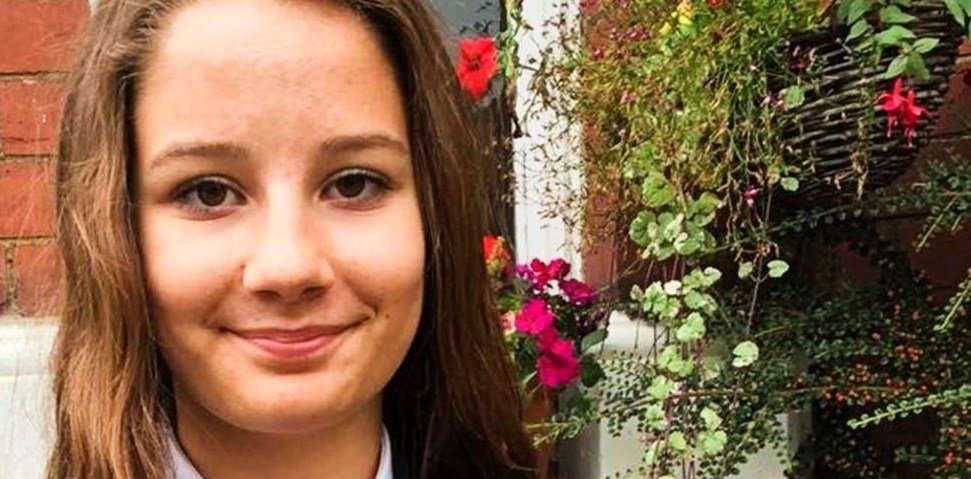
Molly Russell was a bright and caring teenager who loved animals and music. She suffered from depression and anxiety, and had been self-harming before her death. She had also viewed large amounts of content related to suicide, depression, self-harm and anxiety on Instagram and Pinterest.
In September 2022, a coroner ruled that Molly “died from an act of self-harm whilst suffering from depression and the negative effects of online content”. He said some of the content “romanticised” acts of self-harm and sought to discourage users from seeking professional help. He also said that algorithms that curate a social media user’s experience had pushed harmful content to Molly that she had not requested.
The coroner issued a prevention of future deaths notice, which recommended the government and tech firms to review the provision of digital platforms to children and to consider measures such as:
- separate sites for children and adults
- checking a user’s age before they sign up to a platform
- providing age-appropriate content to children
- the use of algorithms to provide content
- advertising to children
- parental or guardian access to a child’s social media account
Tech firms’ responses and Ian Russell’s criticism
The coroner’s notice was sent to Meta, the owner of Facebook and Instagram, Pinterest and Snap, the owner of Snapchat. They were required to respond with details of actions they would take in response, although the coroner’s recommendations are not binding.
In their responses, the companies outlined their efforts to protect children from harmful content. For example, Pinterest said it would commit to independent scrutiny of its moderation efforts, Snap said it had established a “family centre” that offers parents insight into who their children are friends with, and Meta said it had introduced a content control tool on Instagram that gives teen users the option of limiting the amount of sensitive material they see.
However, Ian Russell said the responses were “underwhelming and unsurprising” and that they did not address the core issue of how harmful content is created and distributed online. He said: “It’s time to protect our innocent young people, instead of allowing platforms to prioritise their profits by monetising their misery.”
He also accused Meta of guiding his daughter on a “demented trail of life-sucking content” and urged Mark Zuckerberg to “listen to the people who use his platform, listen to the conclusions the coroner gave and then do something about it”.
The online safety bill and the need for change
Ian Russell said the online safety bill, which receives a third reading in parliament on Tuesday, is a “really important piece of legislation” that could make online platforms safer. The bill would give Ofcom, the media regulator, the power to fine tech firms up to 10% of their global turnover or block their services if they fail to protect users from harmful content.
He said he hoped the bill would include criminal sanctions for tech executives who endanger children’s wellbeing, and that it would be implemented as soon as possible. He said: “We can’t wait any longer. We’ve waited too long already. There are young lives at risk every day.”
He also called for more education and awareness among parents, teachers and young people about the potential dangers of online content, and for more support and resources for mental health services. He said: “We need to change the culture around this. We need to make it OK to talk about these things, to seek help, to be kind to each other.”
He said he was determined to honour Molly’s memory by campaigning for change and helping other families who have been affected by similar tragedies. He said: “Molly was a wonderful daughter, a wonderful sister, a wonderful friend. She had so much to offer the world. She was taken from us too soon. But we hope that by speaking out, by sharing her story, we can make a difference.”
